Wednesday, July 3, 2019

1979 at 40

My last year of school. The band I'd tried to form imploded with the loss of its best guitarist. I was told about that on New Year's Eve. The seventies were closing down and I couldn't wait for it. My studies suffered as my social life soared. Too little too late I sat for exams I barely understood were already part two of the ones that would get me into uni or bar me from it.  I assumed I was going to get into uni because I wanted to. It seemed like the kind of plan that fell into place for no better reason that all of them already had. I fell in love with two girls who liked me (but that was it). If music had been a major part of my corner of culture it was now central to it. The school parties sounded like Countdown and the Uni parties sounded like student radio (if we'd had student radio). I liked both and went to many. It was a year busy for all the wrong (i.e. right) reasons.

Armed Forces  Elvis Costello and the Attractions
This and the previous year's Model were like my music bible. As one who still struggles to care about song lyrics and considering how Elvis Costello's vocal style does not befriend the word by word follower I picked up enough of his wordplay and vitriolic delivery to declare a new favourite songwriter. Also, just as This Year's Model had improved the sound of the debut album about 80% by incorporating the best of 60 garage sounds and a lot of cinematic sensibility, Armed Forces went further with rich arrangements and a very well handled variety of tone and fullness. Still a favourite album.


Metal Box - PiL
Spacey, eerie, spikey, noisy or just trancey, this is PiL's apex for me. There was good here and there on the first album but this felt like a whole coherent work. Poptones could send me into a meditative brainfreeze. Everyone's on point and it sounds like a whole band working. It's cohesive and unnerving.


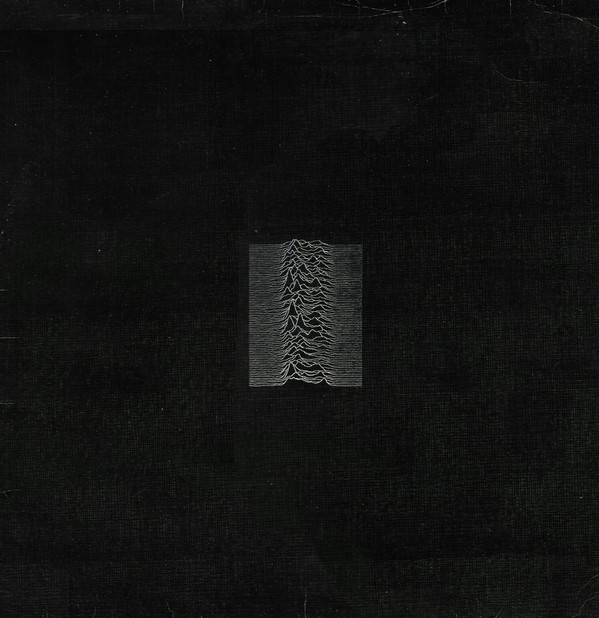
Unknown Pleasures - Joy Division
I was unaware of this one until the year after (the news about Ian Curtis came through). But when I did hear it all the way through (having ridiculed its seriousness or really its fans' seriousness) I loved it. Unrelentingly dark and spooky with strange noises-off like something bad was happening deep in the hall of the songs. Not just heavy, it was unsettling. It made the proto-goth of Bauhaus look like cabaret.

This might warrant an article to itself, now that I think on't.


Tusk - Fleetwood Mac
Hated then and hate now. This eighty disc album was released with a campaign built on its excesses (long gestation in songwriting and even longer and more expensive recording and longer still mixing and mastering) which felt like an insult in the time of musical austerity in the wake of punk rock. A band that thought it was building a cathedral but really only producing a denser housebrick. I will never understand the love millennials (and people in their 50s pretending that they are millennials) have for this garbage.


The Wall - Pink Floyd
This completely surprised me. We had a copy of Dark Side of the Moon in the rumpus room record stack and I never played it once. Pink Floyd always struck me as stuff for the oldies until I read about Syd Barrett and then heard Piper at the Gates of Dawn. But then 4T0 did a play-through and discussion of The Wall and I fell in instant love with Comfortably Numb. I got it for Christmas through one of my usual Christmas present suppliers (sister, parent, can't remember) and recall listening to all of it after a weighty Christmas lunch with some of my siblings. My sister Marina declared it intriguing but sick which I took as praise. It didn't turn me into a Floyd fan by any means (I only heard most of their work in the noughties) but I felt, for all its excess of production and length, that it was the best fellow traveller to punk outside David Bowie. I still like a lot of it.


Fear of Music - talking Heads
Liked it better later. This one formed part of the general Uni party soundtrack and, when it surfaced in the gaps of the conversation, I would note it. The instrumental Drugs is a favourite and if I hear it now it reminds me of the powerful effects of OP rum on the teenaged brain. Not as unpleasant a sense memory as that might seem.


In Through the Out Door - Led Zeppelin
Punk has erased most of what I felt about Led Zeppelin but one school friend bought this (I wasn't going to) and I put it on with the brother who had really nurtured my investigations of the band. In The Evening made a big blasting opening but then it just kind of perked out into tuneless filler until the next epic track which sounded like prog rock and then the big soppy ballad and then the formless blues that sounded like a piss take. As a young punk I rejected it wholesale. I later bought it in the eighties when I was replenishing old records I'd hastily jettisoned in the move from Townsville to Brisbane, and then as HD downloads with the recent remasters. Still only really like In The Evening and Carouselambra, though.


Regatta de Blanc
The Police went from cool to daggy within about a year. Nevertheless the first single from this, Message in a Bottle, enthralled me and I will always associate it with the rainy summer of that year and everything that was going on. I heard all of this album at the time and, while it didn't make much of an impression as a set of standout tracks I did like the newness of the sound, the complex production and strong vocals. Part of the era that didn't make it through to me later.


The Specials
Another one I didn't know about until the year later but then really took to. I had so little concept of ska but tracks like Gangsters pushed a darker side of the dance. I cannot separate this from my move to Brisbane and the part it played in dispelling a short-lived but intense period of right wingism I went through. That was mostly about contrarianism and fuelled by the return to social zero of being in a new town. It started fading the moment my new social life started. That involved listening to records like this and a real warmth in ejecting all the wrong.


Lodger
Low was big and spooky when not unnervingly quirky. Heroes was, apart from its big title track that was also a hit single, a dark delve into the night. Lodger was a travelogue which, despite its big leaps in style and mood, felt friendlier. The song and video of Boys Keep Swinging felt like a piss take but still proved very infectious. DJ felt like Talking Heads but in the best way, influenced rather than ripped off. Look Back in Anger brought in epic texture and a Beatlesque chorus. And it went on with fluid ebow guitar, prepared piano and in the middle of it all a quiet and eerie song (Repetition) about domestic violence. I felt very avant just owning this but loved listening to it anyway. Still do.


Eat to the Beat  Blondie
Blondie went all Phil Spector with massive scale pop like Dreaming, Union City Blue and Atomic. The whole thing flowed and bumped the mood at high school parties (Uni students probably considered it too teen). This was really the final one for me as, some singles aside, Blondie was a spent force after it. They played in Townsville at the end of the year (or was it 1978?) and sounded like a good live band but they didn't sound like this.


The B52s
One of my sister's Uni friends had this and we heard it one afternoon at his place. There was such pluck and invention in the grooves. Fifties sci-fi monster movie imagery, brittle naivete, spiky guitar tone like a banjo playing surf rock. A talking male voice lifted by two women harmonising in mighty voice. Part beachnik, part garage rock and all party, this one endures and still sounds like summer holidays.


The Pleasure Principle - Gary Numan
The sound of tomorrow was a creamy scream over prickly synthesised bass and a voice that sounded like it had never known emotion. Tales of cybernetic intelligence with real emotions, identification with cars that had nothing to do with rock and roll, a droning lament that introduced as pre-future an instrument as a viola and tore into the listener as the song's confession told us of the complex. A big sustained cinema show that stirs me to this day.


One Step Beyond Madness
Like The Specials I knew this better the following year in Brisbane and liked to the same effect.


Prehistoric Sounds
This was so ill-served by its label that I didn't get to hear it for years. No local radio, nothing on any of the music shows on tv and not in shops. By the time I might have pursued it I was a broke student. It's the only one I didn't even have as a tape. I bought the reissue box of the first three albums and wished I'd made the effort. Still, better late ....


SINGLES


Well ...

There'd been years of disco and years of punk and some surprise infiltrators appeared. Anita Ward's Ring My Bell, like I Feel Love, was a disco hit that osmosed through the wall of the Disco Sux crowd, having a disarming ethereality. Le Freak, similarly was one of the few funk that got past the punk bouncers. I loved hearing that bass line punching at the glass of the refec. Donna Summer tried the other way around and came up with the rock Hot Stuff which worked. Amii Stewart's cover of Knock on Wood got everyone going with its chunky electronics, soul screaming vocal and brass bursts. We Are Family sounded like the 60s but only a few of us knew that.

But...

The Bee Gees stepped back from the disco reign they had established back in '75 and tried some big orchestral pop mixed in with the shrieking falsettos that had made them a million and more but Tragedy ended up sounding old and shrill.

All of us who abandoned ABBA could only nod sagely at how samey Chiquitita was and knew we'd made the right decision (and then decades later pretended that we hadn't decided on anything and blaster stuff like this through our phone earbuds).

Robert Palmer's Bad Case of Loving You played on Countdown with the same backline of models windmilling fake guitars as his much later Addicted to Love. Hmm.

The Little River Band's Lonesome Loser was so out of place with its times that it felt like it should have had a video in gluey black and white.

ELO ripped the hook from a Pretty Things song no one remembered and even took the title (Don't Bring Me Down). I had a friend called Bruce. A characteristically meaningless moment in the song sounded like "don't bring me down, Bruce" so I'd often surprise him by suddenly yelling, "don't bring me down, Bruce. Don't bring me down, Bruce. Don't bring me down, Bruce. Don't bring me down!" Ah, such fun. I tell ye.

Born to Be Alive went forever and was meant to. That it sounded machined for the disco crowd didn't seem to turn anyone off.

I Will Survive had a zombie life beyond that of Stairway to Heaven. It is so numb from repetition that I can only hear an impression of it rather than the song itself.

My Sharona was great until you heard it the fourth time and you'd worked it out to find that it was kind of naff and creepy.

Supertramp's Logical Song would have pleased everyone who liked the earlier stuff a lot. Not me.

Racey's Some Girls was like better produced Merseybeat but with the cringing camp of the late 70s.

Up There Cazaly was about a game played somewhere on another planet (I didn't even realise how Melbournian it was being) and sounded like the king of the zombies leading a charge.

I think C'mon Aussie C'mon was the same thing for cricket.

Kiss embraced disco with a pretty good hit in I Was Made for Loving You but managed to make themselves look silly and irrelevant in the video.

Everyone loved the chorus of Baby It's You but the whining verses sounded like they dressed in frayed flairs from an op shop.

Over the Border was a post-Shirley Skyhooks' attempt at a punk anthem. It sounded more pub rock which wasn't just the music and the bellowing vocal but one of the verses which bid the visitor to Queensland not to get caught having sex with underage girls. Really. Not to get caught. I resisted. At least the Angels' crack at it kept the politics ... political. The 'Hooks really only had revival and embarrassment to look forward to after this.


But then again ...

I Don't Like Mondays was a guaranteed hit among schoolkids and was where I went to school. A rich pop drama about a school shooting was good enough but the invitation to join the irony of the '50s style verse melody and the cinema in the chorus and video made it irresistable. If you'd seen the Boomtown Rats two years before on Flashez you might have been surprised but if you'd stuck around on that story for the interview with the band you wouldn't have been. Bob Geldof, when challenged about the "punk" sound said: "we play 1977 pop music." Obvious thing to say but it felt like a bolt.

Video Killed the Radio Star sounded like it was made in a cake shop that had the word quality in its log line but it was nevertheless crafty and hooky and I gave it points for that. Like a few on this list this record pointed the way to charting pop for the next five years. If you came into your own pop music in the '90s, listen to the female vocals in this one and hear the Pixies.

I thought I'd written Shadow Boxer. In fact, when it was played on Countdown it took a second to realise that they'd just got to it first and that it wasn't that unique a chord progression and they'd done it really well. Not a big fan of The Angels but still like this. Great use of harmonic change in the middle eight and momentum leading to the solo.

Dave Edmunds covered an Elvis Costello B-side and turned it into a worldwide hit. Girls Talk is a magnificent, galloping slice of bright pop from the relentless forward motion of the verses to the shing of the choruses, through the brilliance of the 12 string solo (oddly a tone lower than the rest of the song) to the ringing fade. Greatness.

Joe Jackson's Is She Really Going Out With Him kept the right side of the divide that Graham Parker straddled between boomer white-soul and British punk. This was a big moment.

I didn't know much about reggae so I had no problem liking the catchiness and production of Jo Jo Zep and the Falcons' Hit and Run.

The Reels' Love Will Find a Way was served by a rare non-embarrassing mimed video. They didn't sound like anything else Australian and kept their promise to stay good.

It was hard to accept that The Dickies were not British. They looked and sounded like it and didn't sound like anything American. Their cover of The Banana Splits theme song remains a heartstopping favourite.

Reasons to be Cheerful downplayed the big hit before it (which I also used to quote all the time) and had more staying power, being funnier and creepier.

Protection was the only song by Graham Parker I cared about. It kind of had a hard ska rhythm which I mistook for Brecht and Weill and was served by a great evocative video. It was on high rotation one Saturday night when a few of us just drove around and around doing nothing. It was the only time I ever did that and it made me vow to never do it again. It was both boys and girls but not remotely sexual. We all knew each other too well. I remember it, rather, as enjoyable but weary. Didn't quite work. If I were to apply nostalgia to it I'd think American Graffiti with a '70s lean or some crap by John Hughes but while we talked and drank a lot it mostly ended up in the bowl like the rest of our hangovers' byproducts. Seventeen and nothing. The song's still good, though.

Judy Tzuke's Stay With Me Till Dawn blended singer songwriter earnestness with a Pink Floyd arrangement and a video that looked like a Dr Who episode set by the Arctic Ocean. Still like this one.

Mi-Sex cannily put Computer Games out with the electronics and quirky popping vocals in full knowledge that it would have a life after the top ten as the background for stories on 4 Corners and Simon Townshend's Wonderworld for years to come.

Lene Lovich began blipping on Australian radar with Number One, launching numberless jokes from deservedly faceless middle aged DJs about it not being no. 1 on the charts. But it was and is a mighty pop statement.

I could yell almost all of M's Pop Muzik and happily assumed the role of performing monkey on request. Everyone: "New York, London, Paris, Mosman!"


So...

The year ended. I had some fun on Magnetic Island after school was through and returned to face uncertainty. I failed to get into uni and then failed my driving test. I lazed on the patio, sipping on lemonade and vermouth, strumming an acoustic and reading something by Gore Vidal or Anthony Burgess. I recall strongly wandering along the Strand after some errand in town. I stopped by the artificial waterfall that used to be there and was hit by a sense of panic. I had no idea what would become of me. I had no idea how to start an adult life. I knew I couldn't blame anyone else for that but that only made it worse. I eventually got a bus home and went through a list of illformed options, all of which looked too difficult or boring. Mum saved me by enrolling me in a kind of patchup school in Brisbane where you could keep all your strong subjects (I was good at a few things) and just make up the gap with new courses. But you had to do two years worth in one. Anyway, until then I partied, moped and played guitar through a fuzzbox that I eventually lent to someone forever (and then found out it was rare and worth a mint). Still, the days were lazy and the nights drunk and filled with promises. I took a plane south in January and never lived in Townsville again ... though I visited. But I can easily remember that the TAA plane rose above the coast and for a moment the window by my seat was filled with the glistening jade green of the water far below. That wasn't the last time but there would be very few more. There would have been a song in my head but I don't know what it was.


Sunday, June 16, 2019

1969@50: THE WHO - TOMMY (this is gonna be a long 'un)

This Who album is known for a few things. It's a double set. It's (arguably) the first rock opera. It took the band from playing covers and rock standards to assuming the stage of ever increasing masses with an opus beyond a grab bag of singles or jamming. Its substance was the fulfilment of a growing expression on the previous two albums of narrative song cycles. What it isn't known for is being anyone's favourite Who album.

It shares this with the debut My Generation. A Quick One gets a guernsey for the title track. Sell Out is higher than a listen would warrant for the sheer pluck of its concept of celebrating pirate radio. Then, leap over Tommy and land on the one that everyone claps, Who's Next. Who By Numbers is overshadowed by the inferior Who Are You as that is the final with band legend Keith Moon. Even the live album gets accolades and the first release of that was mostly covers. But Tommy? It had a film treatment and a complete musical overhaul as well as many stage productions and the band toured on it for years afterwards. These are far better known than the album at the spark end. But this ambitious offering that closed the band's first phase goes oddly unsung.

It really shouldn't, though, as it forms a perfect bridge between the cheeky experiments of the mid sixties and the stadium bombast of the seventies. Yes, it's a big concept that just seems to get bigger as it goes along, right up to the mass prayer at its close, and yet it is the most stripped back the band would ever be. This is an opera with choruses, arias and recitatives, introducing itself with a classical calling card and then crashing through into two fisted rock all on a bed of shining acoustic guitars and harmonies that sound like an orchestra imagined by someone who had never heard one. And even newer Who fans look at the blue latticed pattern cover art and think it's a version of the stage show.

So, what's it all about?

THE STORY 
This isn't always clear from the music and lyrics alone but here goes. Mrs Walker hears of the disappearance of her husband on a military mission. She gives birth to their son, known henceforth as Tommy. He returns after the war and murders the man she has taken up with. When the pair see that Tommy has witnessed this they bear down on him with such force that his sight, hearing and speech all shut down. Cures are tried including a sideshow charlatan, a psychedelic drug dealer and a real doctor. The latter reports that the boy's senses are fine but that he needs his inner block broken. That's not so easy when he has left with a psychopathic cousin and paedophilic uncle. No wonder all he can do is stare into a mirror. And play pinball. That's important. His parents become so frustrated that one of them smashes the mirror and Tommy is shocked back into reality. Far from signing up to the local labour exchange he is hailed as a hero (he's already the pinball champion) and then, with a message of enlightenment, a kind of Messiah. He gathers a mass of followers but they come to spurn the commercialism of his ministry with its "pricey deals". They realise they don't want more or any religion and abandon him. At the peak of a life of lucky breaks and traumatising disasters he retreats into himself and sings the prayer we've already heard: Listening to you, I get the music ..... End.

Hokey? Sure, but that's a lot more plot than most operas get and it touches on a lot of the decade grinding to an end, heavy with gurus, drugs, excess and fatality. Like those other operas we might not scruple to take its events entirely literally. Townshend had embarked on his own devotion to the teachings of Meher Baba (whose influence would continue in Who songs not without some characteristic worldliness from his devotee). He had recently failed to be won over by acid but it had affected him deeply. Like Ray Davies, Townshend was intensely self-reflective and while he enjoyed his rock stardom never ceased to question it while still young. War, family dysfunction, hedonism, the assault of touring, the push and pull of swinging London: what did that add up to? Tell it as a story and see what comes out. That's Tommy.

What's also Tommy is the continued influence of co-manager Kit Lambert, son of a famous conductor, full to the brim with Euroculture and his suggestion that the early experiments with narrative and character in songs might be the only way of progressing. He had an orchestral extravaganza in mind. His protege had other ideas. But the notion was sound. The song cycle A Quick One from two years earlier is still a convincing musical story. Rael from the year before has less cohesion but hinted at the power of abstraction (and revealed more than a few musical figures that found their place in Tommy). The Sell Out album has great highlights but loses puff as a concept album. There were a few pointers on the road and Townshend took them.

First, opera. Rock opera. Not just a concept with a story with songs and narration like SF Sorrow or Ogden's Nut Gone Flake. But opera, with an overture, recitatives, arias and choruses, done as rock music. I won't be going through this double album track by track but there will be stations that require some examination. Like the Overture.

THE ALBUM
From the big tolling chords of the opening to the cymbal crash of the last chord the Overture to Tommy is remarkable for a number of reasons. First, while it does run through themes to come it doesn't play them as a quilted medley as composers of third tier opera had. Nor does it play as a more textured indication of the mood of the tale (Mozart's sprightly overture to The Marriage of Figaro screams great big comedy) with figures that begin and end there. And it doesn't just set the scene programatically like Wagner's preludes: the Ring cycle begins with a long pedal note over which the orchestra expresses the strengthening and widening of the Rhine.  But it is very classical in structure. The booming opening chords are from 1921. The sprightly guitar and drum interplay is from Go To the Mirror, the blinding organ chords at the end are those of the prayer Listening to You and the coda is a portent of Pinball Wizard but none of this is a series of instrumentals waiting their turn. The chords of one piece will serve the melody of another, the strident French horn figure of We're Not Gonna Take It is easily supported by the chopping rhythm of The Hawker. And so on. This is not a quilt, it's a weave presented by a composer who wanted the piece to serve as a welcome as well as intrigue his listeners.

Also, this was the era of concept albums with big ideas. It was the epoch of Days of Future Passed with its grand orchestral soundscapes and grave poetic narration. Apart from some guitar overdubs, piano reinforcement and big percussion, The Who could play Tommy down the pub as a four piece. The sole orchestral instruments on the album could be played by Entwistle (French horn and trombone) and Moon (gongs, kettle drums) but really, the band would do. Would? Did. The Who spent the next few years playing most of the opera as a good half of their stage show. The sense that, after the hyperbolic responses to things like Sergeant Pepper, this band could rock an opera anywhere they'd fit.

The Overture ends with a bang but from under its dying cymbals comes a pretty acoustic guitar figure which gets strident as Townshend sings about Captain Walker's disappearance and then meanders and glitters until settling into what I'll call the birth theme (slow F# two beats G and D one beat each and D for two beats) which will resurface whenever Tommy comes upon renewal or discovery. Townshend in choirboy voice announces the birth of Mrs Walker's son.

1921 begins with the big tolling chords of the Overture but settles into a jangling major key base as Mrs Walker and her new man declare mutual love and look forward to the future. Enter Captain Walker. Murder! "What about the boy? He saw it all." The parents bear down on the child, scaring him into a sightless, deaf and mute state.

The narrator returns for Amazing Journey. Roger Daltrey in very smooth voice tells us over music that rises and falls like waves that Tommy is not as poorly off as he might seem as his inner life is rich and exploratory, finding wisdom in the disturbance of his illness and even has a vision of a sage or god. And as sickness takes the mind where minds can't usually go we cross a bridge of lovely grinding psychedelia into the instrumental Sparks which plays like an extension of Amazing Journey but progresses further into aural rooms that just seem to get larger. The birth theme plays on acoustic guitar as Entwistle's boomy picked bass brings things back down to earth in an increasingly gentle landing procedure.

The Hawker starts with bright guitar arpeggios before kicking into a strident four on the floor rhythm with a gigantic kettle drum punctuation as Daltrey screams in praise of his woman. He claims she has miraculous powers. This song is accredited to bluesman Sonny Boy Williamson although the musical setting owes a lot of Townshend's reimagining. Tommy's parents are trying religion to cure him. There is an instrumental section which suggests a ceremony or process and it features a tremolo style electric guitar rising between firsts and fifths before the preacher takes over again, letting us know the only thing working around there is his opening pitch.

Christmas bashes into gear with a solid Daltrey vocal backed by powerchords a choral harmony augmented by some very clever tape delay. The day brings both guilt and frustration to the parents who try to coax the boy back to awareness with an increasingly shrill and desperate plea: Tommy can you hear me? And then we hear for the first time the See Me Feel Me response that only Tommy can hear, bright in a clear high pitch against solemn chords before it's back to the parental screaming and a final verse of continued frustration.

Cousin Kevin torments Tommy. A sweet guitar figure plays under equally sweet harmonies that tell of tortures while "the grown ups have all gone away". This is one of two songs that bass and brass player and resident ghoul-humoured member John Entwistle contributed. Coming from his gothic nursery rhymes and proto-metal riffs in earlier albums with songs like Silas Stingy and Boris the Spider, Entwistle imagines the bully as having the confidence of the sneak. Musically, it travels from the glee club opening to some very curly and modal harmonies as the band in choir mode. It's nastier for its sweetness.

Tommy gets lobbed along to the Acid Queen a West End psychedelics dealer and maybe sex worker (it's intentionally ambiguous here) who induces a trip by way of treatment. The lyric about tearing souls apart and twisting bodies is terrifying but the music of the verse is jangling soft rock arpeggios and a five-quaver figure in the chorus to add a little (and really just a little) force. Townshend's vocal approaches a nasty break but never quite gets there. The song sounds solemn rather than scary. There is a  tremolo guitar figure in the break that is unmistakably similar to the one in The Hawker. Subsequent interviews with Townshend have revealed that he not only linked the two figures but suggested that the woman of the earlier song was the Acid Queen. Why would they be so far apart in the overall sequence, then? A foreshadowing? No idea but it's an intriguing notion.

The Underture is no longer the joke title and space filling instrumental I first took it for. At over ten minutes it's the longest track on the album. Beginning with the birth theme played on a clean electric guitar and palm muted bass, it uses a figure from the previous album's Rael, this time augmented with powerful kettle drums over Moon's building momentum on the kit. Breaks include a creepy choir under a single note tremolo, frequent returns to the birth theme. This is maintained with this scant material against expectations. It took me a long time of skipping most of this track to realise that this is the trip the Acid Queen gave Tommy and the soaring flights of inner space exploration in Sparks are now fully fledged, dark and cathedral-sized, and expanding. I now think it's a magnificent piece, foreshadowing (for better AND worse) the excesses of prog rock by outfits like Yes or Genesis in the decade to come. The evocation of a mind growing beyond its bounds is certain and powerful, easily imaginable as cinema. An orgasmic triple blast of cymbals and dissonant French horn brings to the end of the first part, first disc, and leaves us with a Tommy as a kind of accidental god.

Do you think it's alright to leave the boy with Uncle Ernie? The next song answers in a profound no. John Entwistle's two contributions to Tommy were (I'm going by autobiographies here) due to Townshend's difficulties in approaching material about bullying and child molestation. Townshend claims he was victim of both. I'm going to believe him, for the record. But it's revealing that he gave them to the member of the band who was best given to the monstrous. Uncle Ernie's song Fiddle About is punctuated by a low growling trombone figure (contributed by Entwistle) and a high and unsettling solo vocal by the bass player. The power of the absence is never felt on this set as keenly as here.

Pinball Wizard begins with excited acoustic guitars that are quickly beefed with  power chords and the rest of the band. Daltrey's vocal is forceful. Tommy's inner life is turning into pure power and it makes his parents think. So There's a Doctor follows with sprightly harmonies and hope.

Go To the Mirror is a marvel. The kind of growling amp distortion power chords that Townshend would soon be known for are here displayed in full flight. It's just an E and B-A E but boy does it work. Daltrey in the place of parents and doctor sing that the boy's reflexes are normal but not breaking through and is interrupted by Townshend in chorister mode singing "see me, feel me, touch em, heal me" ready to break through. Townshend as opera composer does this twice before a thrilling whole band imprecation that Tommy approach his mirror. And then, and this still sends shivers, one of the parents says they wish they knew what was happening in his head when the prayer Listening to You breaks out in full band thrust. But only Tommy has heard that. They are still no wiser.

The parents plead Tommy Can You Hear Me to an acoustic wash and lively bass backing to leave the name alone echoing into the void. Smash the Mirror bursts to life like the most potent soul records as the parents scream about his infatuation with the reflection. It ends with breaking glass ans a weird choral ahhh.

In the gentle acoustic rocker Tommy comes to awareness of his fame and miraculous recovery and declares himself a sensation. Note for the strident and lovely French horn accompaniment of the Ox, here. The song Miracle Cure is another chorus in choral Who style.

Sally Simpson is important but often overlooked. As a song it was pulled in from the repetoire as a comment on crowd violence at the live shows but appropriated for the album. Sally, in a narrated verse chorus, is a fan who reached too hard and was left damaged. But then, she did end up with a rock musician who came from California.

I'm Free does the old You Really Got Me trick of starting in one rhythm and continuing in another. Tommy declares himself free of his bounds in increasing passion (courtesy of Daltrey's increasing passion) until the soft to hard rock song ends in a choral descent through the Pinball Wizard riff.

Welcome is a strong emotive Daltrey vocal over a smooth acoustic backing, asking everyone in until too many take him at his word. But, not dismayed, he keeps the message going. Tommy'[s Holiday Camp is the song Townshend wrote for Keith that introduces us to the merch.

We're Not Gonna Take It is the sound of a crowd wising up to commercial snow jobbing. They reject the carnival spruiks and deals and leave him where he is. Alone he resorts to his plea to be felt, seen and healed and loses himself in the prayer Listening to You.

OR

He wins the crowd over and they sing the prayer.

Which do you think it was, children?


Me? I think he reverted and sank back into self immersion. Otherwise, you have to deal with a crowd wised up falling for another carnival trick.


THE BAND
As any account of the experience of this album is going to be work. So much is going on that one moment must have its performance celebrated and another its structure. It's complex but the thing is that after all that this still sounds like record made by a rock band. Actually, they sound more like a band here than on any record since the debut album. The mid '60s saw The Who extending themselves wildly into new sonic territory and Kit Lambert's production was growing ever more adventurous in itself. But Tommy had to be special. If they didn't want to get tagged with pretension or bombast they needed to serve this complicated story up as plainly as they could while still serving the concept. And that's what happens.

Townshend laid down a lot of acoustic guitar tracks with the intention of replacing them with electrics. But he found the effect of the glittering acoustic textures which could shift into strident marches or fanfares. It also added greatly to both the back-to-basics approach and added a more transparent layer, enhancing access for the listener. When he rocks out it feels like it, roaring or crunching electric tone that can settle into a gentle jangle. The sheer breadth of his guitar playing, while it might at first seem on a short spectrum, delivers worlds.

Entwistle and Moon are both solid in partnership and brassy in bravado throughout. Moon takes many opportunities to lighten his famous lead pipe style to provide some real subtlety but then creates thunderstorms when needed. The instrumental performances on this album manage to keep the freshness in. When extra voices are brought in like Entwistle's brass, piano or orchestral percussion it feels taxed by the phrase. As the band provide all their vocals, solos, duets, choruses etc, what might have really sounded overblown ends up far more candid. Kit Lambert's wish to set the piece to a full orchestra was well vetoed by the band. As it is they could play it on stage and they avoided it sounding as dated as the Moody Blues do now.


TOMMY AND ME
Tommy was the first album I bought with my own money. Well, not really. I was newly teenaged and hard to buy presents for so it was Mum's Christmas present that I chose. Oh, and it wasn't this album, it was the movie soundtrack. I wasn't to see the movie for a few years but the inner sleeves and gatefold art with its quilted stills from the film engorged my imagination. But one thing that did come across was a pretty clear sense of the story.

Each character had a particular voice and there were female as well as male voices. Townshend's arrangements leaned heavily on the kind of synthetic orchestration he had been exploring with the Who albums and it was solidly expressive. The experience felt like overhearing a movie and when I finally got to see it at the Twin Cinemas in Townsville with a bunch o' school friends it was actually much better than I had imagined. I knew the name Ken Russell from my sister's accounts of movies like The Music Lovers and I'd seen a local radio station's advance screening of Lisztomania at the same cinema at the end of the year I bought the record. Those experiences seemed to bring a world of creativity and art flashing into my brain.

So, when, after I found I did actually like the Who after getting a dub of Sell Out from a school friend and buying a copy of the Meaty Beaty Big and Bouncy compilation, and after many visits to Ken Hurford's Records ended in my leaving the big blue double sleeved opus where it was and exiting the shop confused as to why I should threaten my relationship with the opera by listening to what I could only imagine was a feeble first go.

But one morning in the cooler part of the Townsville year I went into Ken Hurfords and picked it up. Once home, I put it on and was immediately confused that the Overture was not like the big brassy Wagnerian thing from the movie but a rock band playing through what sounded like bits of songs. From there all I heard was weedy vocals and a lot of acoustic guitar. The only Tommy track on Meaty Beaty was Pinball Wizard but that had a full throated Daltrey vocal and some great power chording from Townshend. I liked the weird wobbly choir and guitar crunch in Christmas and Go To the Mirror but I'm Free sounded like The Seekers. As for the Underture ....

You should understand that this was 1978. My most played album was Never Mind the Bollocks. I had a strong sense that The Who's legacy fed straight into the Pistols (they even covered Substitute on the Swindle soundtrack) and this thing ... I made a cassette of the tracks I liked and left it at home when I moved to Brisbane.

But here's the thing (and this is a way of incorporating my listening notes in the main article) the original LP master is muddy and lifeless (and this on the deep dish import vinyl that Ken Hurford sold). It would have taken gentle understanding well beyond my capability to read through that. The record sounded dark in the other sense, also, like the complicated cover art with its strange storybook illustrations and the main triptych of a latticed planet in a starless black sky surrounded by white birds and a fist breaking through the void. I could easily relate all that to the concept but I felt nauseated by it.

Some time in the 2000s I happened on a re-release on CD at a discount and bought it for the sake of it. The remaster opened windows. The shine of the acoustic guitar and growl of the electric, the brightness of the vocal harmonies and meatiness of the bass and drums just popped. It was an extraordinary difference. I started listening to the whole thing regularly. Then when the DVD-Audio appeared with a surround mix overseen by Townshend I snapped it up. And then all the way up to the recent Blu-Ray Audio version (which has the offputting feature of putting the drums to the rear left  speaker of the 5.1). I settled on the legit download from and online shop which is how I listen now. The current mastering is "a sensation".

LISTENING TO YOU
It still works. It doesn't invite you in the way that Who's Next or Sell Out do. Bolder in concept but more modest in execution than either of those, this album flaunts the expectations by not sounding like a musical progression. It is the idea that, when you grasp it, does that job. A group that seemed destined to roar and thunder in the stadiums to come stepped back from the foldback speakers to craft a testament to its imagination and maturity. Fans will sooner put I Can See For Miles or Won't Get Fooled Again on eleven while this understated marvel seems to plink underneath them. But, I swear, if you should step from that light into the big dark universe of Tommy and follow its peaks and valleys through to its upsetting inner-cosmos you will feel richer for it, strained, perhaps, but richer.

Saturday, May 11, 2019

1969 @ 50: THE VELVET UNDERGROUND

A band's second album is supposed to be the difficult one. But that's for bands who hit big with the debut. If only a few are listening they might well try to clone the first or try something new. The Velvet Underground did the latter, forging music that explored emotionally as well as sonically, pushing further into the shadows. This third entry is the anomaly. The amps are turned down and the guitars are clean and ringing. The vocals are up close and very personal. There is nothing like European Son or Sister Ray. Even the experimental outing takes a step back from that kind of daring. What happened?

Well, first, then there were three. The externally imposed Nico had exited after the first album. Her deep dark worldliness bloomed into stranger territory under her own name. And then Cale was ousted. What was left was Lou Reed's songs and a band ready to play them. Oh, and Doug Yule, a kind of neat casual Lou Reed on bass, keyboards and some vocals. It was a different band. Then again, it begins as though it is.

Candy Says, a shivery song about Candy Darling, a trans New Yorker who sings of hating her body and wondering what she'd see if she could look at herself from outside it. Doug Yule's fragile vocal sings with quiet pain over the kind of Latin chord figure on the guitar from the first album. The gentle fade out of shimmering doo doo wah vocals and major 7ths lulls into a dark silence.

What Goes On is a canter of clean electric guitars and a bright organ, harmonies and a playful-seeming lyric featuring the same kind of opposites as The Beatles' Hello Goodbye. Well, except for the steady downward movement of the tone of the words as they head toward being doomed and falling, despite the best efforts of the catchy chorus telling us it will be alright. Instead of that chorus at the end we get an extended instrumental outro of a verse and chorus with the organ's block chords standing in for vocals or perhaps grinding forward like the futility of life Reed's perky vocal suggests.

With Some Kinda Love we get to a point at which, now we know, Lou Reed the future solo act emerges. We've had characters in Reed's songs up to now but here they are given more dialogue and given life beyond the street life folklore of the first two albums. Margarita and Tom are talking about love and either waxing philosophical or getting pretentious but really, they're ... well what? Gearing up for sexual adventure or just getting deeper into the discussion. Is the kind of love that makes your eyes moist a reference to emotion or physical strain. It's hard to tell and Lou is having the last laugh. The entire song is two chords rolling on clean guitars and bass without drums as Reed more talks than sings his way through.

Take the same arrangement idea and slow it down with a sad sounding tambourine shaking distantly while the narrator more nakedly addresses the woman he's been seeing outside her marriage. It feel like it's ending, the passion dissipated, but his longing continues like the insistent gentle guitars flowing under him and he lingers on her pale blue eyes. This is the most pained, open and earnest account of his own feelings until the torments of Berlin, itself set in fiction but with a grindingly real result.

The next song must have puzzled its first listeners. A few lines of prayer repeated over a gently insistent guitar figure and featuring some effortless, bright vocal harmonies which will develop into something fuller and more glorious as the songs progress. So what does go on, here? There is no smirk in any of it. It sounds real. Was Reed converting from a Judaism he wasn't particularly committed to? Or was this the next step in a slowly developing concept song cycle about different aspects of love? It ends the old side one, leaving the listener possibly worrying what was to be found on the flip.

Side two opens with Beginning to See the Light, a phrase suggesting either dawning personal wisdom or religious inspiration. The full band backs Reed's vocal with clean but rich toned guitars and a bright shuffle. A preacher style yell for the verse but then choruses with changing lyrics about playing the fool and "here we go again" ending in a fade of fullthroated harmonies on the line "how does it feel to loved?" Through each verse a series of confessions or descriptions about what he does and what is expected of him moves to this last question which really is a query about how much light he's actually begun to see. Love is fun and beautiful ... but messy.

A drone of organ and the kind of guitar tone possibly not heard again until Cocteau Twins albums over a decade later. I'm Set Free. Reed again uses religious phraseology culminating the the chorus of the title with its much expanded vocal harmonies over a building band. It intermittently sounds like a gospel song but then he says he saw his head laughing and rolling around on the ground. This is either a very peculiar spiritual experience or just more unbound life given a godless church service. Again, there is no irony to this, no sneer of an adolescent infidel or smirk of a wiser worldly man, just someone who knows that joy has a price but the purchase feels so good.

That's the Story of My Life bounces along like a cartoon theme from the fifties as Reed sings this over and again: "That's the story of my life, the difference between wrong and right. But Billy said both those words are dead. That's the story of my life." It sounds like it reads, a diary entry set to music but repeated as though the thought will never go away. Wrong and right are dead words. Reed's voice is affected, stung. And the boppy jaunt of happy faces gambols around his shaking head as he stares into the footpath as he walks.

The Murder Mystery is the closest thing on this album to the kind of experimentation the band would do in earlier lineups. A rapid ascending riff, a languid organ meander and then all four members of the band recite text at once in a cacophony that only very incidentally comprehensible but isn't meant to be followed: the tumble of the voices speaking suggests a strange alienated mood. This is broken up by a pair of voices (notably Maureen Tucker) singing disjointed phrases in a minor key phrasing: (please raise the flag rosy red carpet envy ...) before plunging back into the babel of voices. Is it a chaos of individual stories? Some of the passages are chants of words drawn out by the syllable. Are they the scattered thoughts of a murderer following the act? All and more beyond. This, to my ear is an exercise in suggestion created by the tension between a soundscape and an evocative title. Strangely, such a challenging and complicated piece is never irritating and you can try and isolate one of the voices to follow (it's very difficult) or just let it flow. There is a lot of discipline in the making of this piece and it ends up being a kind of aural sculpture rather than a song, fashioned and deliberate. It's both an awkward standalone on an album of openness and melody and a strangely engaging culmination of the complexity of the life the other songs describe.

We finish as we began with Reed giving to another band member. I can hear Reed singing this but Maureen Tucker's artless rendition is an apt message of farewell. After Hours is a mix of Goodnight Irene and Show Me the Way to Go Home as solo pieces traipsing through imagery both whimsical and dark set to the kind of  melody that wouldn't be out of place in a Disney film. But it's about some very final thinking. "Say hello to never."

Reed didn't know it yet but he was already writing outside of a band. The band is clearly audible here and playing well in a kind of studied simplicity. Even more than its successor (the band's last with Reed) this set feels more at home beside Transformer or Berlin than the first two records. This is not to devalue the contributions of the others but in a record as dominated by its songwriter (even when he isn't singing his own lyrics) the Velvet Underground as a feeling as well as a band has left. Then again, if you don't know any of that, you could just put this on and relax into its Sunday afternoon of easy moods supporting troubling thoughts like a warm dose of something opioid. Go on, tell 'em Lou sent ya.

Saturday, January 5, 2019

1969@50: LED ZEPPELIN

GAH GAH ... GAH GAH!

Massive powerchords tell us someone is knocking. The drums begin, hesitant and stuttering but take strength form the guitar. The bass joins with the first full riff but by that time the mighty call of the vocals, a barely controlled scream brings everyone in to centre stage. Led Zeppelin have arrived.

"In the days of my youth I was told what it means to be a man....."

This is album is waterlogged by controversy over the attribution of the songs. The controversy is not a storm in a teacup and has a complicated history. There is no consideration of this album in 2019 without being aware of it. It's fun. It's great storming joyous fun as the most articulate monster group to be given the label heavy metal take their place and hold it tight. But there's controversy.

(Note: I've already reviewed this one here. This is about other issues related to the record.)

Quickly: Babe, I'm Gonna Leave You is a song by Anne Bredon, Willie Dixon has two numbers You Shook Me and I Can't Quit You, Baby, Dazed and Confused was originally by Jake Holmes and titled I'm Confused, How Many More Times takes a number of Howlin' Wolf lines an riffs. Unlike the more recently tested case of Stairway to Heaven (which is a bullshit case) these ones were not seriously contested by the band and settlements were made and attribution on the cover art altered. My copy of the album, reissued in the late '70s clearly stated Dixon's and Bredon's tracks but not Bert Jansch's arrangement (note, not composition) of Black Mountain Side. The epic side closers Dazed and Confused and How Many More Times were not attributed to people outside the band membership. The former had done service in Jimmy Page's former band The Yardbirds. Is that bad? You betcha!

Page knew his blues from his elbow and knew the sources of his inspiration. The management might have done the misdeed but really, the band allowed the world to think that these were their songs. Subsequent releases have featured corrections to all of these. My current copies of all the most recent Led Zep albums were downloads without more than the front covers without a syllable of attribution. Now, for anyone only just getting into the band by this method, all songs might as well be by them.

What does that mean for the music? Nothing. The music soars and grind and growls and slinks through the lightless depths of carnality the way it always did. The marriage of Robert Plant's gigantic vocals with acoustic guitars still astonishes today. The singer, guitarist duel at the end of You Shook Me still stuns. Dazed and Confused still knocks you over rudely and sexily. All of that remains and much of it is the point of what Led Zeppelin did with the songs that it variously wrote or appropriated: it altered them forever. Jake Holmes's I'm Confused sounds like a plaintive hippy with poor grammar (I'm being choosed?) but Zep's take is a massive storm of creepy and horrifying landscapes and anger. The Bredon song was done more in the style of someone else who covered it (Joan Baez) and so was already removed. How Many More Times was a demonstration of how far the band could digress from their riff based beginnings and still come back, stronger if torn and scarred. The point of the first Led Zeppelin album was transformation. The band changed the songs it wrote (there are genuinely original songs on the album, by the way, like the opening of each side) beyond their origins and took their audiences with them.

If you want an indication of this I refer you to the Albert Hall footage in the Led Zeppelin DVD. It is extraordinary what a quartet of great players can do.

What does that mean to the question of attribution? Nothing. The songs are still their author's songs and not Led Zeppelin's. When most of the album was initially issued with this false attribution it does indeed make a difference. Time, lawsuits and settlements have set the record straight (so to speak) but the fact that the deed was done will (and should) hang over this and at least the next album. The pity of this is that this set of songs that was the result of rushing into the studio before the band could settle into songwriting was almost all lifted from other sources and then misattributed.

What I like is that the opening song, that introduction to the world of that force is an original. Anyone else hear Keith Relf singing Good Times Bad Times? Change the range from Valhallan to normal human and you're there. The album is as powerful as ever. The filter of hearing it through some bad practice must be on the listener. That is unfair. Early Rolling Stones albums (almost entirely composed of covers) put the right names beside the songs why couldn't this lot? They should have. My advice is to know this when you listen and, if you pursue the band to their later development and flourishing, get ready to glory in some of the most forceful and eloquent music of its era. Recall the taint but enjoy the getting of wisdom. Then go back and hear this and hear how wondrous and thunderous they were.

Ok, this is a PS. I was out walking through a particularly lovely midsummer evening, thinking about what I'd written here and wondering if I'd been even handed and I realised I'd left something important out. It has to do with the decades since the '60s, the more recent ones in which I've witnessed rock music, the music that used to be innovative simply by trying something unexpected and going with it, ceased to be innovative and began to plunder earlier decades for its style and too often lift whole songs without attribution. The taint on Led Zeppelin for doing this remains and can conceivably be invoked by people who celebrate plagiarists of newer vintage. Who's wrong? Everyone. So, here's something to do.

Let's pretend that Led Zeppelin's debut album was released with all the songs' bylines correct. There'd still be a few originals but most of the album would be considered covers from the get go. Imagine that. A band whose live shows (in which who wrote what took an easy second place to performance) made them the world's biggest drawcard in rock outside of the Rolling Stones in the first months of their existence has released this great record of old blues tunes that will blow you head off. Willie Dixon's You Shook Me sounds like a great black condor soaring under storm clouds. And do you remember that whiny little song I'm Confused by Jake Holmes, that guy who claimed to be straight and a hippy? It now sounds like nothing on earth before it, going from a doom-laden bass riff to godlike scream then down into weird valleys of lightless horror before coming back for a second attack.

You see what I mean? The album wouldn't be "it's good but they got a away with robbery" it would be "wow, and look where they went after that!" And that, finally, would be right.

But we are, of course, just pretending.


Listening notes: I've heard my brother's original pressing and my first copy was a late '70s rerelease but as soon as I bought a CD player in the '90s I started restocking old favourites including this one and got the superb (if loudness war influenced) contemporary remaster and finally I have the deluxe high resolution download from an online retailer. My verdict is for the latter, the biggest and clearest representation with a good dynamic range. I've bored too many people on how little I care for vinyl but these really do smash the rest. Anyway...

Sunday, December 30, 2018

1968 at 50: THE WHITE ALBUM REDUX


I've already written about this one here. It's a record that means a lot to me and had a big enough impact for me to judge every other album I've heard since by its standard. What I'll be talking about here is the 50th anniversary re-release in its Super Deluxe form: book in slip cover with 6 CDs and a Blu-Ray with hi-res stereo and mono mixes as well as two formats of 5.1 surround mixes.

New Stereo Mix
As with Pepper the bass, drums and lead vocals are in the centre with left/right panning done to other elements as well as in some effects like reverb. What results is a freshened experience. Partly this is because the mix has been created from elements early in the process, yet un-compromised by the track bouncing process, partly by some deft EQ, effects and panning, and partly, simply, because it sounds new. Space has been increased which comes into play in tracks like Long Long Long which no longer sounds like an afterthought following the storm of Helter Skelter, the air around the almost choral vocal harmonies in Revolution #1 are like rays of light. There is some loss in the modernisation: Helter Skelter's bass has lost its obnoxious punch which it needs (it does sound more now but I miss the violence of it). The clean and shiny 2009 remasters are still available, however, and if these displease we can always go back to them.

Surround Mixes
A far more immersive experience that the Pepper 5.1 as the main soundstage is kept solidly in the front with ambience and some stray elements coming in from behind your ears. Helter Skelter's reduced bass is a worry here as the point of making a 5.1 is that the .1 part is a subwoofer that can take all the subsonic joy it can eat. On the good side tracks like Warm Gun with its swirling guitars and dreamy vocals or Back in the USSR with its big guitar crunch and Beach Boy doowops. Of particular note is Julia. I never cared that much for it as it seemed to just murmur in the background before the side ended (and my original has a sticky scratch in it). Here Lennon's fragile aching vocal seems to drift to the centre of the room and make its case like a plaintive ghost. It sends shivers.

Esher Demos
Some of these appeared on Anthology 3 in the '90s but here they are given full length and pristine audio quality. It's an unplugged White Album! Songs that didn't make the album will cause the most stir and you can hear why. Paul's Junk and George's Circles offer high melancholy that could have easily lifted the record or a later Beatles LP. But there isn't enough for a third disc. And you have to wonder why George had to give Sour Milk Sea away. These are demos but they are multitrack (George had a 4-track reel to reel setup) and began with good sound. Now they are available and I couldn't be happier. Put the discs on as a summer unplugged session and luxuriate.

Sessions
Revolution - The full initial recording without the later concrete musique moments or mama dadda chanting that make sense of the claim that Revolution #9 was made from it. You can find that on Youtube. There are plenty of moments that you'll know from the big soundscape, quite surprisingly in some cases.

Honey Pie - The version of this with just the instrumental track is far more beautiful that I would have expected. The clarinet group arrangement really soars. Without the cute vocal it's just a lovely piece of music.

Good Night with guitar and three part harmonies is more beautiful than I've ever considered it. John's finger style on the Casino really sparkles.

Helter Skelter version 1 is the full take of the one that was on Anthology 3. It has a kind of creepiness to it and works ok but it's important to remember that the fabled 27 minute version is just a longer version of this slow thumping thing with breakdowns and cover versions. I'd like to hear that once. I don't care that much that it isn't on here.

The later faster version with MacCartney playing around with live echo and the full thrash version sounds bigger and angrier. The way is clear to the album version but this is a great near miss.

Can You Take Me Back has been available in muddy dubs for a while. Hearing it here is shiny fresh condition. The way it comes in on the album between Cry Baby Cry and Revolution #9 is big and spooky. This full context isn't. It's great to hear but I still prefer that eensy eerie fragment between two strange tracks.

The Book
Honestly, I would have just bought the book if that's all there had been. Essays and articles on the album, it's context, design, packaging and songs and recording are pithy and informative and enriched with a lot of evocative photography. There are enlarged copies of the colour portraits and poster from the gatefold LP. The articles about the context and work are enlightening. It's fun, it's beautiful.

This is just a skim and I'm sorry if it has sounded like more advertising at times but I am that much its fan. And skimming is really the best you can hope for from one pass on such a gigantic monolith. But I do have a few thoughts in closing.

Even the toughest of fans have argued for an ideal single disc version of this album. I wince to hear what they leave out. There are strong and weak tracks but I've never made one of these "improved" lists. One of the points of this album's appeal is its excess, there's just too much of it but it's the best surfeit in rock music history. From musique concrete to cute pop to stark and scary dreamscapes and horror rides and spooky lullabies, this one has it. I first heard it before I was told I should think about it as a band breaking up so to me it was the apex of their output. I though Abbey Road was lovely but too slick. This felt more purposed regardless what the truth was. The obvious camaraderie evident here in the sessions and demo recordings belie the official story so that now we not only have the best extension we could have wished for. What is often my favourite album feels fresher than it did when it was the least dated LP they produced (yes, including Abbey Road). It feels like a new release. I can't say better than that.

And a Happy New Year to ye!


Wednesday, December 26, 2018

1968 at 50: What I Didn't Get To (and Some that Didn't Get to Me)

If you see a title here of an album you love I recommend you skip this post. It will read like an adolescent scratching away at sacred cows in the hope of causing offence. It's not that. I wanted to open my ears and heart to what was shaping up to be an exciting mix of revisits and first listens. When I mention something here it's not necessarily because I think it's bad music but most typically, albums that begged more time than I had to appreciate them.

Hurdy Gurdy Man - Donovan
Some great songs here including the eerie title track and one of my gateway drugs to pop music from classical as a twelve year old, Hi It's Been a Long Time. The problem with this as I listened to it on long walks to let it settle into memory and engender thoughts was that for every great track there's one that doesn't create an impression. For every Peregrine there's a Teas. Eventually, I didn't have enough to form an opinion on. I'd be writing about my favourites and it would look like skipping.

Elecrtic Ladyland - Jimi Hendrix
I used to love this album but didn't hear it until the mid-2000s and kept listening a I was surprised that Hendrix proved to be a decent songwriter, not just a virtuoso guitarist. 1983, Midnight Lamp and Watchtower are masterworks that show real vision a far as lifting the showman into all round greatness. Except there's so much showmanship still there, so much is guitar pyrotechnics that it's hard for someone who finds that musically indigestible to write about with any understanding. Maybe it's just too big for me.

Wheels of Fire - Cream
From one of the greatest moments in the extended psychedelic era, The White Room, things descend to a mud of white boy blues that, while I like it better now than when I first heard the album as a teenager, does not have the inventive energy and melodic strength of its predecessor Disraeli Gears. There is a lengthy live component which is more what the band were about but it's largely lost on me. It would be an article whingeing about how the album wasn't as good as the first track.

Bookends - Simon and Garfunkel
There's a lot to like on this album like the psychedelic effects of the opening track, Garfunkel's field recordings of people at a rest home and some genuinely beautiful moments but I have a dog in this fight. My year 12 English teacher was a big fan and the way he introduced the idea of pop song lyrics as poetry was with this album. He taught it eloquently and inspiringly. But my most played record at the time was Never Mind the Bollocks which was slowly being usurped by This Year's Model and Armed Forces. I found more in those lyrics and I don't listen to lyrics. By the time Mr Cook sat us down to listen to the oppressively fragile Old Friends I looked up from closing my eyes and trying to connect and saw him softly mouth the words. I could not give this one a fair trial.

The Hangman's Beautiful Daughter - The Incredible String Band
My sister tried to interest me in these folk in that summer o' 74/75 when I realised I had to pay more attention to rock music if I was going to survive high school. She didn't have this album but I did like one or two tracks from the one she did have. Thinking I'd been neglectful I visited this for the first time this year and couldn't listen to the end. It sounded like everything that repelled me about the psyche folk scene of the late '60s. Sorry, just beyond me.

Shades of Deep Purple - Deep Purple
Sorry, Deep Purple were one of those hand-me-down bands form the previous generation that kids at school would be devoted to. Mine was Led Zeppelin. Perhaps it was just a choice of which one you got to first or was recommended best (those siblings who promoted Led Zep also pushed Sabbath who I never took to). Not the band's fault, of course, but still, something I couldn't approach.

In-A-Gadda-Da-Vida - Iron Butterfly
Legendary drum solo that went for most of an LP side. I used to skip Moby Dick which was a lot shorter. I heard the real people part of the song at different points but couldn't bring myself to go there again.

In Search of the Lost Chord - The Moody Blues
My sister had this one, too, and I liked all of them but at last listen earlier in the year it doesn't reach across. Don't quite know why. I like the datedness of Piper at the Gates of Dawn and such. Not this, though.

Music from Big Pink - The Band
Not for me. Have tried and failed too many times to get into them at others' recommendations to no avail.

Ogden's Nut Gone Flake - The Small Faces
Some great songs but I cannot get past the diddlyoddlypodogooboo language of the narrator. This from an admirer of James Joyce. Go figure. The thing is I'd have to put that into context and try to be understanding but it would drag me down.

I also really tried to like Otis Reddings' Dock of the Bay album past the title track, Jefferson Airplane's Crown of Creation, anything by the Grateful Dead, Van Morrison's Astral Weeks, and a fair few others which just didn't make an impression. I have to state here, as well, that time was a big factor. Whether I knew an album or not I would listen to the entire thing every time I went for an extended stroll (which would be long enough to take in a whole 45-ish minute record. I tried with some things but where they repeatedly failed to strike or I lost patience with them and listened to something else or just whatever the sounds around me were I couldn't write about them. Understand that the era was not mine and I had trouble imagining the excitement that met these records when they were fresh. In all examples of what I did write about I discovered in formative teen years when they were older than my time's top 40 but were better. If it's any comfort that does mean that I have very few durable favourites from the mid '70s as they were eclipsed completely by my expeditions to the mid to late '60s. So, no hard feelings, it's just time.


Tuesday, December 25, 2018

1968 at 50: BEGGAR'S BANQUET - THE ROLLING STONES


The way it's told, this is the one where they broke from the bubble of the Beatles, the true Stones emerged, purged from their flunked leap at psychedelia, as the finally formed Greatest Rock n Roll Band in the World. This was the first of the big four that would forever define expectations of them. This and Let it Bleed and Altamont made them the meanest rock supermen on the globe. But there are problems with this story.

First, The Stones did benefit from the Beatles but they began and continued as themselves with records that the fabs would never have made like Satisfaction, 19th Nervous Breakdown or Jumping Jack Flash. It's not about capability here, it's about motive and will. Beggar's Banquet isn't a band taking the blue pill and soaring into their real selves, it's an album of developing musicians and writers restablishing what is important to them and letting go.

And think about it, most of these songs are dominated by acoustic guitar. Some recent commentary has suggested the influenced of The Band but I'm not interested in them enough to want to find out. What I hear is a mature approach to what was present on the first Stones album but now feels both relaxed and confident. It's not the first Stones album. It's the next. But it's also brilliant and tuckloads of fun.

It begins in what would have sounded primeval back in the year. Jungle percussion and the shrieks of a preverbal people. Suddenly there's a piano and a Mick Jagger introducing himself as a man of wealth and taste who then tells his tale of influencing the development of the human race from a long long year ago to shout out "who killed the Kennedys?" The chorus hopes you guessed his name but it's in the title of Sympathy for the Devil.

The progress of this one from a gentle folk strum to the frenetic and freaky anthem it became is documented in a film by Jean Luc Godard called variously One Plus One and Sympathy for the Devil. Damned and misunderstood, the movie's mix of fictional urban guerillas and the real Rolling Stones annoys both the politically active and fans of the band. That's kind of intentional but it's a lot less deep than many who whinge about it claim. All you need to do is watch: various street level would-be revolutionaries go through increasingly detached and meaningless military style training to the commands recorded on a tape, or, from the right, dictate from an already printed dogma book, an aloof Eve Democracy is interviewed while strolling through a wood, giving replies that are either cryptic or feather light. And so on. Meanwhile, a super group who don't really need to get out of bed in the morning work tirelessly on their new cultural bombshell taking it to heights of power it was nowhere near at the beginning. Urban guerillas with nothing to lose tread water while the supposedly idle rock stars work in concert to fashion something new: what is wrong with this picture?

This is not part of the song as heard on the album but it's cool knowing about it. One of the greatest album-openers has a disruptive movie that bears witness to its gestation. Could stop there, really.

But then you'd miss out on the poignant No Expectations which could reflect on many things the band members were going through but, featuring some sublime slide work from the soon to be doomed Brian Jones, I'll give it to the member who really wasn't going to pass through there again.

Dear Doctor is the kind of country twanger that Jagger used to self-consciously lampoon with lots of yeps and whoops. That happens here, too, but everyone's in on it and it's played with such conviction that it's hard to resist singing the harmony or laughing. Parachute Woman takes a tough acoustic blues figure and a guitary vocal tone, lets what will become Keith Richards' signature hot clean lead snake through it and a lyric that pushes sexual innuendo so far that the attempt could only be called tokenistic. Jigsaw Puzzle adds a Dylanesque whimsy to the same kind of acoustic electric interplay and takes the dramatic low end slide from Brian Jones (a lot meaner than No Expectations) and augments it with a screaming high note in the key line of the chorus which sounds epic. The side ends with the bad trip falling into a kind of controlled cacophony that is altogether beautiful. In vinyl terms the side is two long songs with smaller pieces between and a sense of zero surface space wasted.

Side two begins with one of Keith's cassette figures where an acoustic is fed through a cassette player and overdriven to sound like something that is neither electric or acoustic. Add Jones on both sitar and droning tamboura and a giant spacey drum that might be a tom or a snare without the snare. The I-VI chord figure breaks for a chorus that both extends and opposes it. The fade out intensifies with drones on the tamboura and a shennai and a raga like figure on the piano. It's hard to hear where the power is coming from as the vocal is so distant and the guitars not electric and turned up to "stadium". The truth is that the wholeness of the unit is pushing forth in a way that already announced itself on the previous side but is here offered in concentrated form. This is the model of Rolling Stones rock singles for the next few years and will be regarded as the Stones sound, eclipsing the half decade of earnest labour before it.

The next song is a blues done as nakedly as the band would ever do. Jagger is probably erring on the side of vocal impression but it is a sincere take. Keith Richards' guitar is spidery and full by turns. There's some band history in the way here, though, and it's superficially unpleasant. The white invitation cover art credits the song to Jagger and Richards. This was the record company's intervention. The original (the toilet with graffiti) had the song correctly as by The Rev. Robert Wilkins but this didn't make it on to the song list. The problem is that the white cover was the official one for decades until the '90s cd rerelease reinstated the credit. This has apparently been rectified as far as royalties go but for any fan who took up the band's own enthusiastic recommendations of their influences it might have felt like the most contemptuous betrayal. The second aspect of the record company's clumsiness is that the substituted cover art with its dominance of white created exactly the opposite impression the band had intended: instead of a decidedly Stones-like taunt it looked like more Beatles copying.

Stray Cat Blues starts with some teasing electric licks and some strange vocalising from Jagger. When it breaks into its loping groove with weighty piano and feline guitar scratches it's clear what the intro referred to. In an album of consolidation points for the band's image this song flashes more strongly than most. It's about groupies, young groupies. The age of fifteen is mentioned. "It ain't no capital crime" moans Jagger. Maybe not but it's a lyric no one would get away with today. I listen to the businesslike groove and the delicious guitar tone and pretend the words are in another language. I know that's wrong.

Factory Girl is a more sincere country number than the one on the first side. A boy waits for his girl who works at the factory. A real violin soars sweetly and a mandolin on a mellotron tremolos around the vocal melody. It's more ambience than heartfelt but it's never unwelcome in the sequence.

Salt of the Earth begins with the sense of moment. Strident acoustic chords polished with hot clean electric arpeggios. Keith's strangled voice enters bidding us drink to the workers, foot soldiers to the humble figures suggested by the title. Jagger's welcome takeover of the lead vocal. A brief minor key bridge brings us back to the chorus but it's been building to something huge. By the time it comes around again it's sung by a gospel choir in a homecoming procession. After a bar's gap the drums kick us into the accelerating finale with more heavenly singing and Nicky Hopkins going for it on piano and Charlie Watts crashing into the fade. If the devil had the upper hand at the beginning it's the common folk who present it at the end.

Again, I don't think this is the Stones wresting free from the shadow of the dominant Beatles as much as regrouping after disaster and finding their strength had been there all along. If the self-styled bad boy stance has more articulation it's just from honing. They had emerged from the iffy position of flower power to embrace their real selves in greater songs, in cinema and a will to take the show to ever greater stages. After the medieval tights and recorders of the previous year it must have felt like opening a window.


Listening notes - I've owned a copy of this as a released vinyl record, a cd, a hi-res SACD and a hi-res remastered download. The latter is the freshest sounding I've ever heard it. The sound stage is articulate, the acoustic guitars sparkle, the vocals are in the room and Jimmy Miller's career-changing production has never sounded so alive. The original album and earliest cd releases were mastered slightly too slow. When I first heard the pitch corrected SACD it felt like a new album.