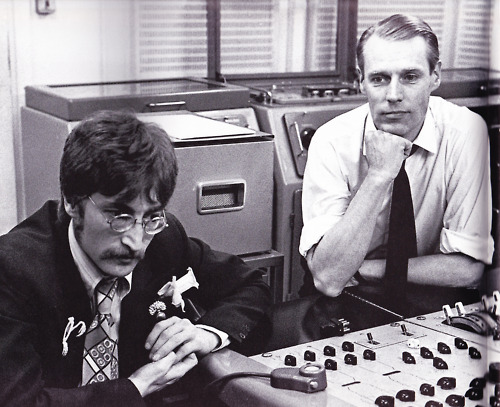
As with some of the other examples here the wake of the Beatles' success strengthened the idea that recording artists should also be writers. This created a divide between acts whose albums reproduced their live shows and those that increasingly exposed a gap between stage and studio by pursuing their own statements. As the Kinks left their handful of R&B covers behind them with Face to Face and the Yardbirds struggled to strike a medium between the two worlds, The Who, also addressed the issue but in the strangest way out of all them.
Each member was to contribute two songs each. This management-led move almost worked and it is both a strength and weakness of this album. Pete Towshend had penned almost all of the debut album the previous year and, while the results are mixed, offered a set that could stand on its own. Now, with success and pop-business concepts bidding their public view the band as riding the ratrace, it was time to expand beyond the rock band mold and play the conventions rather than the reverse.
The cover says it all, here. A richly coloured cartoon of the band bursts out of their panel and into the darkness around it, titles emitting in huge goopy letters from each member. The basic field is solid black. The band name and much smaller title are given in a plain, sobering font. And there they are, refulgent, spilling into the universe, each with his own cry of detonation. Well, that's how the marketing went and it's persistent in the mythology to this day and probably beyond. The Who weren't just a rock and roll band they were rock and roll, barely controlled chaos amid the shards of guitar bodies and kicked in drum heads, amphetamine punchups and bombast. And this was the one where they were each king for a track. Let the noise begin.
And it might have.
The Who were, in fact, more of a functioning oligarchy than an anarchic free-for-all. Pete Townshend was at the helm with his songwriting and directing but his ear was taken by a management team who got him and knew how to guide him. If the Beatles had made the grade in matching suits and then the Rolling Stones replaced that with their cooler designer label effect The Who drove right into the pop art shopfront and plundered the colour and post-modern appropriation and took the stage like a dayglo commercial break and burst into fragments of autodestruction. Though many saw the Sex Pistols as the inheritors of this the big difference was that the Townshend/Lambert/Stamp team actually did the kind of things that Malcolm McClaren only claimed in table talk. So, giving each of these ponced up yobs their own soapbox was bound to implode. Well, it doesn't.
Run Run Run opens with a blasting 2/4 swing of power chords and busy drums. It's messy but groovy. Daltrey sings on the downbeat about someone trying to outrun a plague of bad luck. A lovely few minutes of thrash, tough leads and cooing harmonies in the chorus. Great mid '60s hard rock. It's the sole Townshend song on the old Side One.
Boris the Spider smashes to life and introduces us to the realm of John Entwistle, classical soloist level bass player and imagineer of strange portraits in music. A big dirty bass descent through the semitones ends in a scattering of amp tremolo from Townshend as though the note shattered on contact with the floor. Entwistle sings in unison with his proto-metal bassline. He sees a small spider which gives him the creeps so he kills it with a book and grinds it into the floor. End of story. If you're terrified of spiders you're laughing with him. If you aren't you're laughing at him and his quaking anxiety. The chorus replays the opening chromatic descent as Entwistle matches the bass notes in a cartoon horror voice so low it sounds like a purr. The Ox claimed to have written this one in twenty minutes after a pub conversation with fellow bass icon Bill Wyman. It was to follow him for decades begging to be sung until he wrote a song to replace it as its notes would have worn through to transparency by that time. But for me it never grows old and so never has to hope it dies. In there among all the Purple People Eaters, Alley Oops and Hands of the Rippers, Boris hangs on above, clinging to a tiny silken thread.
I Need You. The legend goes like this: Keith Moon thought The Beatles used a secret language to talk about him. The lyrics are all paranoid in clubland as Keith moves around the coloured social circles being embraced with insincerity and threatened with hatchets. Mostly it's a light rock excursion lifted by a harpsichord adding some wit and an instrumental section that begins with a scouser talking about Rorge and Jingo. Beach Boys fan Keith sings mostly in falsetto which is what he would contribute to the band's harmonies. How much of this is Townshend lending a compositional hand or simply providing a lot of guidance is unknown and usually goes without comment in memoirs but I find it hard to credit the writer of this not champing at the bit to contribute more. Let's credit it a Moon since no one else seems to differ and leave it. In the album sequencing it forms a further change in texture after the opening two blasts and has a great aching chorus.
The Ox re-enters with another tale of crazy. Later, when Pete had the task of writing too close to his own bones songs for Tommy about child abuse and bullying he had to give them to John. Entwistle gave him Uncle Ernie and Cousin Kevin which are driven by genuine horror. It was thus from Entwistle not so much being fearless in looking at the abyss but detached from it that some plain descriptions and good rhymes set in unnerving chromatic melodies became so powerful. (Youtube the movie versions of these songs and you'll hear why as they are heightened by cinema where the originals from the album are left subtle.) In Whisky Man the narrator enjoys a friendship with the title character who only comes out when they drink which is nearly all the time. His doctors cry hallucination but he keeps drinking with his friend. When they take him to his padded cell his worry is that Whiskey Man will waste away and die. Finally, the first lines are revisited so he seems to be back drinking and chatting with the W. Man. Has he broken out or just gone further into delusion? The chunky rock is kept thick but light and features not the first but the best so far of Entwistle's brass talents, a French Horn solo that works beyond novelty value. It's musical and atmospheric. It would point to more and better. The final line of vocals ends with Townshend playing a sparkling clean riff around the open D which keen listeners will recognise from the next album's Rael and more pervasively throughout Tommy. Here, if you know that, it has the feel of someone trying out a pattern and trying it anywhere it might work. When you go back and listen to almost any of the early Who recordings it's easy to hear how much of Tommy came from musical scrapbooks. I think this is the first instance of this riff outside of the opera, though.
Roger Daltrey only finished one song in time and where the other one might have gone they placed a cover. Heatwave harks back to the band's R&B roots with a joyous Martha and the Vandellas number done here as thrashing rock with a perceptible swing. The mono original brings the piano to the fore which will be a revelation to anyone better used to the power chord version on the stereo mix.
The US release of the album replaced this with the single Happy Jack (and gave the title to the whole album) and common wisdom applauds this. So would I except for two things: Heatwave forms a bright and spirited farewell to the Motown swing of the mod scene they had outgrown and fits in the flow, and; the end of side one was an even more blasting drum workout.
Cobwebs and Strange begins as a short arc melody played on the penny whistle by Townshend and soon lopes around into near chaos as he is joined trombone by Datlrey, trumpet by Entwistle and, of course the nominal author, Keith on drums. It's a crashing drums piece with some pesky instrumentation in the way. But while neither a solo nor a gathered and concentrated outing it gets old quickly. On the end of Side One it can either run its course while you go and check the letterbox or you can lift the needle and flip the record. In the digital realm you let it play for fifteen seconds and click on skip. Maybe Happy Jack could have gone here.
The old Side Two begins with a bounce as a country flavoured bounce takes us into Don't Look Away. A confident vocal from Daltrey courses over a 2/4 cantering beat of tidy drums, acoustic guitar and picked bass. Over his voice comes Townshend's descant which reminds any of us who has forgotten how strong The Who's vocal harmonies could be. The descants in this song are notably nothing like the kind of harmonies found on records by those better known for vocal blocks like the Beatles, Byrds, Beach Boys or the Hollies. There is less concern with them to form chords than for the vocals to be fixed in the arrangement. Whether matching the lyric word for word or providing wordless support they feel like other instruments. In this case they tighten in toward the chorus with its gorgeous modal setting of the word of the title. The sudden brilliance of this washes over a sombre modified chord that forms something like a 9th. What might read like a teen angst ditty becomes a Gregorian lament .. beat group format. My favourite underrated Who cut.
If Townshend had only one song on Side One he dominates Side Two with all but one short track not of his authorship. Roger Daltrey's sole writing credit on the album (and for most of The Who's career) is the tiny but interesting See My Way. If there's any profundity in the lyric it's deep within the mind of its author as it reads unambiguously like a my way or the hy way ultimatum. After a brief ba-ba-da-ba-da vocal introduction we drive straight into a kind of modified Buddy Holly gallop as the narrator lets his girl know he's really only interested in hearing himself played back to him (I can find no trace of irony in this as there might be in a Lennon lyric) and as such might easily remind us of a lot of the taunting statements on the Stones' Aftermath album earlier the same year. The vocal is sprightly and the Daltrey/Townshend vocal interplay even tighter than on the previous track and its's more varied, going from the ba-ba fanfare at the start through light descant to full falsetto glory. Moon chugalugs on the tom toms delivering big crash cymbal moments and some unexpected but highly effective French horn playing that acts percussively, giving us a kind of Townshend style rhythm solo in pure smoothness. This would survive long without the nutrition of the album tracks around it but in place it provides just under two minutes of bouncy fun with a delightful message of committed narcissism.
So Sad About Us. When bands try to recreate the excitement of their live sound in the studio they all too often get lost in the atmospherics or pare things back too far in the name of authenticity. Long Tall Sally is not the most inspiring of Beatle tracks but the backing was done in a single take and pounds with energy and great abandon in the solos while some of Shel Talmy's worst efforts left songs shrieking under too much reverb until they drowned. The Who played a perfectly orchestrated teen anthem like a make or break audition that showed off the players' individuality and interdependence. It sounds like the studio but so hotly that you want to get in front of them live urgently.
Bass and drums work in lock step like timpani before Townshend thrashes through his chord riff, lifted with modfications from Needles and Pins to become a fanfare. Enwistle and Moon lift this to their shoulders as the choir sings the fanfare in la-las. Bam! The chorus eases the tension with long harmonies in high head voice which give way to the urgent minor key verse before kicking the door down for another chorus. And this just tightens until it is driven beyond words to a machine like chorus of la-las which gets cranked up another gear before bursting into the chorus again. Finally, the brakes are hit and we hear the aftershock of wordless vocals and the engines of the rhythm section crunching to a perfect stop. All the power pop of the '70s and beyond was born here in this apotheosis. This and stations leading to it like I Can't Explain and The Kids Are Alright are my go-to examples of why I think British rock music completely eclipsed its American inspiration.
Then we close on A Quick One, the longest track on the record. Kit Lambert was always on Townshend's case about breaking boundaries and orchestra conductor's son Kit kept pushing his protege toward opera. Not Italian histrionics nor the week long horned helmeted other kind but something that came from t-shirts with POW! printed on them, Beatle boots and purple hearts, of working class London in the war and beyond. Townshend cobbled some scraps together and complied.
A big a capella barbershop chorus tells that her man's been gone for longer than he should. A light guitar figure curls upward from a major third to a fifth before the band kicks in and a tough voiced Daltrey talks about all the available women in the town made vulnerable by the war. A chorus of joyous oooohs carries his lead as the band cruises on. A sudden stop and a full 12 string fanfare very similar to So Sad About Us begins stridently and Townshend as a messenger or civil servant cheers the wife up with what might as well be an offical lie about her man being late rather than dead or missing in action. This is cut short by a few crashing chords that give way to a sneaky sounding arpeggio, palm muted and spidery. The voice of the predator from the first part comes in an identifies himself as Iva the Engine Driver who brings sweets and treats and easy seduction. As he starts to get his way the band speeds up and he repeats his tune but lets it grow into more of a threat as the others chime in on choral vocals, mixing a Beach Boys sweetness in with the sleazing carnality. This crashes to a close as we imagine what is happening. It gives way to a cowboy lope on the guitar and bass and a very restrained Moon clopping and teasing the ride cymbal. It's the husband singing as the horses take him forward that he'll soon be home. We mosey on with this for a while until it is suddenly interrupted by some sharp chords and arresting vocal harmonies - fourths, ninths rubbing shoulders with minors - repeating what sounds like "Dane" or "daing!" Your guess = my guess. After a breath that Townshend open D rings and moves to an open G in stately fashion before the band comes in at a gallop and the choir sings "cello cello cello cello...." (because they didn't get the planned cello to play the part). Over this, Townshend in calmer voice plays the returning husband numb but thawing with joy as he runs to the arms of his wife amid the glorious harmonies (and a riff that could have served as the hook of a single). And then a dramatic pause as Townshend as the wife confesses the infidelity with Iva the Engine Driver, a matter of fact single note per line, a fall to describe her fall and a collapse at the finish. Underneath this (almost like the child to come) the D riff from Tommy slowly rises to life and hubby says, "you are forgiven." This repeats over a growing falsetto choir to a purely liturgical plagal end but then bashes back in as everyone is forgiven as Pete speaks it under the final chords.
The war, loneliness, sexual predation, reconciliation and forgiveness and for the first time something transcending mere pop arrangement toward complex orchestration. And this was all playable live. And to the extent that the falsehood of their performance of it kept the airing of Rock and Roll Circus from release for decades due to the supposed envy of the hosting Rolling Stones (it was licencing disputes, in fact, because it always is). At 9:05 the track is a few minutes shy of the 11:35 that the Stones used for the playout of their 1966 set Aftermath but it feels much shorter. There is no soloing or exploration of grooves, no jamming; there is drama, characters, dialogue and restless scenery and costume changes as roles progress and the story unfolds on the stage. As such it speeds by and goes down like dessert. It is to my mind more focussed and immediate than the more complex suite that Brian Wilson was beginning at the time (and would only be allowed to finish decades later) or The Beatles blockbuster album to come. It is certainly superior as a sustained work to The Who's own Rael song cycle on 1967's Sellout. The durable themes and their access give it the kind of moment they would not each again until 1969's Tommy and by that time they were soaring.
It's not all wonder n invention, though, as we turn an ear to the production and have to deal with something important. Having wrested themselves from the ravages of Shel Talmy (which deal held up the reissue of the first album for decades) they were free to fly into the celestium of minute to minute innovation. Instead of that they let Kit Lambert produce. While his engineer keeps the recording free of unintentional clipping there is nothing between Kit and the compressor to make the ride cymbals sound like steam engines and the guitars either too big or small. Too much reverb here and too flat there. Almost none of this sounds intentional but rather like amphetamine inspired instructions followed to the letter. Sellout suffered from all of this, too, the bizarre moment-squashing levels and weirdly stodgy vocal tone. His intentions might well have been to celebrate new ideas with new sonics but any innovative ideas he might have had were well above his ability to command them. The difference between this and other manager-producer confusions like Andrew Loog Oldham and teams like the one at EMI at the time can be heard in how Rubber Soul still sounds fresh and A Quick One sounds like the mid '60s. Tommy has it's problems but is generally free of them and it's tempting to think that the band had learned lessons that eluded its mentor. By the era-change album Who's Next Lambert was set adrift and the production shifts to the band itself and the steady hand of Glyn Johns and production standards that remain standard. Back in '66 this album was made to excite 1966 and only a few years later its listeners would have to listen through that filter.
Nevertheless, this is a statement of a band from rock music's second stage where it grew beyond adolescent hedonism and explored the observations that its newfound cultural power endowed. In the great change year of 1966 when songs about suicide, middle class drug dependence, social status, loneliness, genetic shopping, self-empowerment and the great black space of possibility rumoured to exist beyond the workaday world all made the top ten A Quick One (While He's Away) just added more flavour and punch. A tip top result for a second platter.
Listening notes: I used the most recent high resolution remaster from one of the online hi-res audio stores. Very clear and deep sound that would be a great deal better than the original vinyl and certainly superior to the '80s reissue vinyl that I used to own.
Tuesday, November 15, 2016
Tuesday, November 1, 2016
1986 at 30: Ten Albums from the Decade that turned Fab into Drab
1986 and my first full year of living in Melbourne where I have now spent most of my life. If I heard of new music it was through the subscriber FM stations like 3PBS and 3RRR and the Age's Friday supplement the E.G. I might have bought a Juke or a RAM or NME but they'd long dropped from my list of habits. I was going to more live gigs in Melbourne than I had in my last two years of Brisbane and felt pretty well served by a culture that still harboured its own alternative. Going from one uninteresting casual job to the next I was mostly on the dole, trying to write the great Australian novel before officialdom or age caught up with me.
Once I'd finished the first draft of the book a started rewriting it and within weeks I was immersed in a thickening swamp of self-aware cleverness that the elements of the story became indistinguishable from the in-jokes. That was just the first chapter which I was still working on three years later. I attempted to read it a few years back and saw that I'd spent all that time refining some truly deluxe garbage. But at the time, strolling out on a sunny Fitzroy afternoon, bumping into someone good on Brunswick Street and going for a drink with them or just a coffee at Marios made all that go away ... until I sat down in front of the manuscript again.
While I still listened out for music I found it discouraging how formerly interesting bands went from Alternative Music to OzRock, absorbed by the syrup-dipping mainstream. Everyone moves on and should but the equation of The Models with Mondo Rock was horrible to watch. It was as though we'd just been told we'd won the change while the lardy lords of commercial FM radio polished up the world of Safeway Punk. I remember a little later seeing Ross Hannaford playing reggae with a three piece while his old band-mate Ross Wilson on tv blathered out some more dad rock with the word bop in the title.
I noticed two trends in the mid eighties that saddened me: a general blanding out of musical substance in bands that were highly celebrated and a return of the dominance of guitar rock. The encouraging signs in the early decade that music was moving free of the old templates with the adoption of electronics and dub were visible long enough to be smeared by power chords once again. Inevitable, I guess, but still a pity.
REM - Life's Rich Pageant
If you didn't know what was happening this album sounded like a streamlining of the band's approach. From the big guitar punch of Begin the Begin to the ultra pop of the cover version of Superman everything felt a little heightened and clearer than before. You could make out pretty much everything Michael Stipe sang and the song structures felt more classic. Peter Buck's guitar was set to stadium because that's where the band wanted to get to. The follow up, the also highly enjoyable Document, made it clear that this wasn't a progression but an abandonment. REM threw away its mysteries and roadside charm. They got rich and famous but also more predictable and less interesting. This one can be left on when it's put on but it always reminds me of when I wondered, in my early twenties, if I was getting too old to care about new bands. That would take over a decade to really kick in but this is where it started to really crack.
The Smiths - The Queen is Dead
I hated the Smiths for the irony in the pose and the pose anyway. I hated them for the blandness of their guitarist's muzak tones and Morrissey's over reliance on a few melodic tricks. I hated the cleverness of the lyrics and the screaming self-importance of all of it. But boy did I love the first three songs on this record. I softened to them after that, while never actually warming, and gave How Soon is Now a bow. They were one album away from disintegration and I didn't care. My flatmate Tracey loved them. Well, we at least shared REM records.
Sonic Youth - Evol
Flatmate Miriam was a drummer and came home from practice one night with a cassette of a unidentified band. She played it over and over in her room and to us. We took to it, too. The atmospherics, the soundscapes between songs, the cinematic textures and vocals that went from conspiratorial whispers to screams. I bought the LP and loved the endless groove at the end of each side. I also bought records previous and some to follow but loved none of those. I loved this one and still do.
Elvis Costello - Blood and Chocolate
I'd left Elvis C to himself after the ho hum of Trust, happily returning for the much better Imperial Bedroom but only temporarily, and it wasn't until a friend whose faith was stronger alerted me to some of the great gems in the C-ster's current bag. I can still leave this one on but I also still hang out for Tokyo Storm Warning and I Want You.
The Fall - Bend Sinister
A friend was heavily into the Fall and lent me a handful of cassettes. This was my favourite. It's still a put on and leave on.
Coil - Horse Rotorvator
The hardness of the commentary in the music and voice in this set is magnetic. My standout is Ostia for its beautiful vocal and sheer severe eerieness. Lists of demons, Marc Almond lashing his tongue around some gleeful debauchery. And somehow it's also mostly beautiful. Beyond its release date it's still fresh.
Go Betweens - Liberty Belle and the Black Diamond Express
As the GOBs sound got bigger they also got closer to the airy pop that they made in their final years. I still saw them when I could and they were always a breezy pleasure live. I liked Spring Rain and a few others but didn't get into this one. After this I enjoyed them almost as though they were another band. Aren't they allowed to develop? Yep, but they are also allowed to go beyond my interest. I probably wouldn't put this on today. Maybe I should, though, just to see.
Husker Du - Candy Apple Grey
I could hear the song craft but winced every time a song started with a wash of distortion pedal blah. A few songs have acoustic guitar and one has piano but this punk-a-decade-late sound wore me down. I still like Don't Want to Know. This could be a could candidate for a Nouvelle Vague style reinterpretation.
New Order - Brotherhood
The only band I liked who could get away with overproduction. Side one was like the earlier band, the slightly sunnier outgrowth from Joy Division. Side two was more like the band that did Blue Monday but lusher and more complex. Bizarre Love Triangle is still brilliant. The last song, Every Second Counts starts as a jokey take on Lou Reed but builds beautifully to a distorted mass which then gets stuck like an old LP. A friend of mine referred to this as "the Lou Reed album" because of the first half of this one track. He still characterises people that way to this day which makes him like a a character in a New Order song.
Hunters and Collectors - Human Frailty
Led by the glorious irony-free pop of Throw Your Arms Around Me, this album was the first step away from the giant clank and chant of the earlier incarnation of the band and toward the tv lights of OzRock. The choruses turned up within the first minute of each song put down as a potential single and, while there was still enough leisure in the observation and some luscious ensemble brass playing it would be the last Hunnas album I'd care about at all. Pity, as I had just moved to their homebase of Melbourne and no longer had to wait a year between their gigs. They were still good to see live but nothing can erase the earliest shows I saw where they turned the quite ritzy surrounds of the New York Hotel into a soundscape of jungle sweat and joyous chanting. I bought the 7 inch of Throw but that was it.
Once I'd finished the first draft of the book a started rewriting it and within weeks I was immersed in a thickening swamp of self-aware cleverness that the elements of the story became indistinguishable from the in-jokes. That was just the first chapter which I was still working on three years later. I attempted to read it a few years back and saw that I'd spent all that time refining some truly deluxe garbage. But at the time, strolling out on a sunny Fitzroy afternoon, bumping into someone good on Brunswick Street and going for a drink with them or just a coffee at Marios made all that go away ... until I sat down in front of the manuscript again.
While I still listened out for music I found it discouraging how formerly interesting bands went from Alternative Music to OzRock, absorbed by the syrup-dipping mainstream. Everyone moves on and should but the equation of The Models with Mondo Rock was horrible to watch. It was as though we'd just been told we'd won the change while the lardy lords of commercial FM radio polished up the world of Safeway Punk. I remember a little later seeing Ross Hannaford playing reggae with a three piece while his old band-mate Ross Wilson on tv blathered out some more dad rock with the word bop in the title.
I noticed two trends in the mid eighties that saddened me: a general blanding out of musical substance in bands that were highly celebrated and a return of the dominance of guitar rock. The encouraging signs in the early decade that music was moving free of the old templates with the adoption of electronics and dub were visible long enough to be smeared by power chords once again. Inevitable, I guess, but still a pity.
REM - Life's Rich Pageant
If you didn't know what was happening this album sounded like a streamlining of the band's approach. From the big guitar punch of Begin the Begin to the ultra pop of the cover version of Superman everything felt a little heightened and clearer than before. You could make out pretty much everything Michael Stipe sang and the song structures felt more classic. Peter Buck's guitar was set to stadium because that's where the band wanted to get to. The follow up, the also highly enjoyable Document, made it clear that this wasn't a progression but an abandonment. REM threw away its mysteries and roadside charm. They got rich and famous but also more predictable and less interesting. This one can be left on when it's put on but it always reminds me of when I wondered, in my early twenties, if I was getting too old to care about new bands. That would take over a decade to really kick in but this is where it started to really crack.
The Smiths - The Queen is Dead
I hated the Smiths for the irony in the pose and the pose anyway. I hated them for the blandness of their guitarist's muzak tones and Morrissey's over reliance on a few melodic tricks. I hated the cleverness of the lyrics and the screaming self-importance of all of it. But boy did I love the first three songs on this record. I softened to them after that, while never actually warming, and gave How Soon is Now a bow. They were one album away from disintegration and I didn't care. My flatmate Tracey loved them. Well, we at least shared REM records.
Sonic Youth - Evol
Flatmate Miriam was a drummer and came home from practice one night with a cassette of a unidentified band. She played it over and over in her room and to us. We took to it, too. The atmospherics, the soundscapes between songs, the cinematic textures and vocals that went from conspiratorial whispers to screams. I bought the LP and loved the endless groove at the end of each side. I also bought records previous and some to follow but loved none of those. I loved this one and still do.
Elvis Costello - Blood and Chocolate
I'd left Elvis C to himself after the ho hum of Trust, happily returning for the much better Imperial Bedroom but only temporarily, and it wasn't until a friend whose faith was stronger alerted me to some of the great gems in the C-ster's current bag. I can still leave this one on but I also still hang out for Tokyo Storm Warning and I Want You.
The Fall - Bend Sinister
A friend was heavily into the Fall and lent me a handful of cassettes. This was my favourite. It's still a put on and leave on.
Coil - Horse Rotorvator
The hardness of the commentary in the music and voice in this set is magnetic. My standout is Ostia for its beautiful vocal and sheer severe eerieness. Lists of demons, Marc Almond lashing his tongue around some gleeful debauchery. And somehow it's also mostly beautiful. Beyond its release date it's still fresh.
Go Betweens - Liberty Belle and the Black Diamond Express
As the GOBs sound got bigger they also got closer to the airy pop that they made in their final years. I still saw them when I could and they were always a breezy pleasure live. I liked Spring Rain and a few others but didn't get into this one. After this I enjoyed them almost as though they were another band. Aren't they allowed to develop? Yep, but they are also allowed to go beyond my interest. I probably wouldn't put this on today. Maybe I should, though, just to see.
Husker Du - Candy Apple Grey
I could hear the song craft but winced every time a song started with a wash of distortion pedal blah. A few songs have acoustic guitar and one has piano but this punk-a-decade-late sound wore me down. I still like Don't Want to Know. This could be a could candidate for a Nouvelle Vague style reinterpretation.
New Order - Brotherhood
The only band I liked who could get away with overproduction. Side one was like the earlier band, the slightly sunnier outgrowth from Joy Division. Side two was more like the band that did Blue Monday but lusher and more complex. Bizarre Love Triangle is still brilliant. The last song, Every Second Counts starts as a jokey take on Lou Reed but builds beautifully to a distorted mass which then gets stuck like an old LP. A friend of mine referred to this as "the Lou Reed album" because of the first half of this one track. He still characterises people that way to this day which makes him like a a character in a New Order song.
Hunters and Collectors - Human Frailty
Led by the glorious irony-free pop of Throw Your Arms Around Me, this album was the first step away from the giant clank and chant of the earlier incarnation of the band and toward the tv lights of OzRock. The choruses turned up within the first minute of each song put down as a potential single and, while there was still enough leisure in the observation and some luscious ensemble brass playing it would be the last Hunnas album I'd care about at all. Pity, as I had just moved to their homebase of Melbourne and no longer had to wait a year between their gigs. They were still good to see live but nothing can erase the earliest shows I saw where they turned the quite ritzy surrounds of the New York Hotel into a soundscape of jungle sweat and joyous chanting. I bought the 7 inch of Throw but that was it.
Monday, October 31, 2016
1966 at 50: The Yardbirds' Roger the Engineer
The primary note to make about the Yardbirds is that the band hosted three lead guitarists who went on to massive careers that left the band behind. The secondary note is the more interesting one about the split between a series of increasingly pioneering recordings and live sets anchored in electric blues. This one explains why their albums were so eclectic, ranging from fundamentalist 12 bar rave ups to mournful pop songs groaning with Gregorian choirs or wailing with electronic set pieces.
This tug o' war would end in tears. The first Yardbirds album was a live set of blistering blues that featured Eric Clapton evolving on his feet. Then, after a couple of white boy R&B singles they put out the extraordinary For Your Love, driven not by blues harp and a raunchy Gibson semi but a harpsichord. Clapton the purist got up, took his axe and left. Jeff Beck joined about two weeks later and ushered in an era of uneasy change with straining throwbacks but brilliant peaks. This is the album he starred in.
The real title is eponymous but, as with the double set called the Beatles but better known as the White Album, no one calls it that. The usual title given this LP comes from the drawing on its front cover. A big man with loping simian arms plods along, in one hand a pair of headphones with a torn cable and in the other a spool with tape trailing behind him. His expression sits somewhere between confusion and anxiety, the evident result of working with the band. Following the waves of the headphone cable, in florid lettering, is the name Roger the Engineer. The huge machine in the background is a kind of Heath Robinson rendering of a recording console whose mix of chimney stacks and computer reels would testify to the mystery of the recording process were it not for the long necked bird drawn on its side and the five eggs beneath it. It was drawn by guitarist Chris Dreja.
Lost Women starts with an R&B shuffle and a solid bass riff. Keith Relf starts in over this and with a delay worthy of his status to come Jeff Beck only comes in in the chorus firing machine pefect barre chords. It's pretty standard Yardbirds fare until the solo, the rave up section where Relf sets in with some hard and sorrowful notes on the harmonica and Beck discretely following beneath. Relf lets fly and just as we expect Beck to follow as Clapton would have he doesn't. Instead, he wanders around the studio, finding the good points for feedback, uses his guitar's volume knob so the long droning notes slide into the ears like serpents. He refuses to open fire as anyone who moved into the maestro's podium would. He smoulders and lurks, giving the blues shouter a sinister intensity. Eric Clapton would never have thought of that. That's the point.
We are plunged head first into the single with the full band chugging hard, shouting in time while Beck twiddles a riff high up on the fretboard that sounds like an Arabic reed instrument. Relf launches into a lyric about consumerism and hedonism which might as well be Rock Around the Clock until the verse grinds into another drone with Beck's string bends wail beneath the strain: "When will it end? When will it end?" Repeat! "Over under sideways down. Backwards forwards square and round..."
Beck had already earned his stripes at live gigs but also contributed real presence to the singles before this LP like Heart Full of Soul, Evil Hearted You with their sitar like riffs and grown up surf rock solos before the massive strange Shapes of Things with its droning guitar interpolations and a solo section that combined a million note noodle with distant howling but articulate feedback that was more like a montage from a horror movie than a rock song from its time. This is why if you hear a chronologically correct compilation album from the band the songs will start out with a few unremarkable electric blues workouts and then suddenly sound like proto-psychedelia. There were already progressive leanings within the band that made Clapton flee the scene. Jeff Beck moved in and drove that exploratory spirit and led the charge. His influence is all over this otherwise frustrating and inconsistent set.
That said, but also in proof of it, the next track is a straightforward blue by Beck which sounds like a throwback to the days before he joined. The Nazz Are Blue is an unremarkable 12-bar. Energetic, sure and stinging with Beck's fiery lead licks but seems to drag halfway through without recovery. Maybe Keith should have sung it.
I Can't Make Your Way is a jaunty pop singalong the like of which the band would head into in their final alienating period with pop producer Mickie Most. It's the kind of track that would turn up on re-releases of Who albums when John and Moonie had been larking about in the studio by themselves. Nice enough but ...
Rack My Mind is back to the tougher side with a bluesy rifferama. Beck adds dynamics to it by playing harmonics in the second verse instead of the expected riffing clanging in with a stabbing lead lick in the bars before the chorus and emitting tiny squeals and more harmonics in the final verse before soaring into a huge screaming solo as the song rushes to its close.
Farewell closes the old Side One with a gentle vamp on the piano. Keith comes in mellow and calm about his impressions of looking at the world as though for the first time. The others join in behind as a credible choir ah-ing and humming down the chords, building to a lush third verse with a delayed falsetto at the end of the lines. Finally it's just Keith and the piano saying goodbye to the future. Is this a suicide note? It must be history's most gorgeous one. I can never play this one just once.
If you hear this on CD or in digital form without the side divisions you will wonder what they were thinking. Hot House of Omagarashid starts with screams and a drum break over a wobble board. No lyrics but the band chanting yah yah yah. Somewhere between a Martin Denny exotica piece and watching an old Tarzan movie though a veil of lysergic acid this is the most infectiously fun track on the album.
Jeff's Boogie seems to put the lie to any claim I made about Beck's yen for musical adventure as it's a plodding and uninspired 12-bar instrumental begins big and ends eventually. Listen for the guitar tone, maybe.
He's Always There draws into intrigue straight away as a downward darting riff and droning harmonies tense us up. It's like a weird minor key version of Shout. Across the room the narrator locks eyes with a babe and it means something but the guy, the man, the ape, the protector, the jailer, the husband, is always with her. The chorus breaks out in a looser time and a progression that sounds like The Who in their darker moments and ends down in whisperville with the title line as some tight latin percussion scrapes away. After two of those the whisper strains on as a kind of secretive, obssessive call and response. Everyone's been here.
Turn Into Earth slows its brisk three time down with a tolling piano chord progression. Minor rubs against major in the same modal mash that made Still I'm Sad so extraordinary. A lighter Gregorian wordless chanting starts and Relf's lead vocal seems to peel off from it. If Farewell was a suicide note in disguise Turn Into Earth is a whole manifesto. I can't hear Joy Division covering it but boy is the mood on their street. It's most likely Relf writing with the mood of the music. Still, the lyric is neat and forceful, leaving no escape route from "the darkness of my day." This, it should be remembered was the year of Paint it Black and Eleanor Rigby hitting the charts. But the knelling surrender in this one seems to outdo both as it waltzes on past the final statement, a kind of anti-light in all that paisley.
Urgent ride cymbals are joined by amp-distorted bass. A guitar chimes in and then Jeff comes in with slower barre chords gleaming with light distortion. Keith yells a 7th down to fifth tune (think Last Train to Clarksville, very common trope). Beck plays with the vamping rhythm guitar with bends, harmonics, amp tremolo, spilling colours all over the verses and noodles in the pentatonic in the choruses. He's slow to come into his solo and when he does it's a combination of all of those things, some flash, some mood lighting and feedback all into the fadeout. Exiting with drama that goes beyond the stage.
The final track explodes with operatics as Relf in his nastiest snarl tells us of the root of all evil in Ever Since the World Began as a piano sits in for a tubular bell and the choir sings the word money in fifths like a hellbound chorus line. This weirdly gives way to a guitar shuffle in a major key. Big bass underneath and more amp tremolo. Keith keeps on theme but this time firmly in swinging London as the goblin choir behind him changes from their scarlet drags to discotheque paisley, clicking their fingers and chirping, "ya don't need money". Relf delivers his last couplet ending with: "you sold your soul the answer's no." And everything stops. Breaks no, no screech. Bam. End. Huh?
Whether more tracks were planned or that was meant to lead on to another track with the sudden ending giving way to something more dramatic is unknown to me but it's a final statement that goes rapidly from a bang to a whimper with nothing to follow. One of the strangest endings of any conventional rock album I've ever heard. The movie has that one last scene that completely twists everything you saw, lasts for a few seconds of one shot and the credits roll against a stark black field.
I don't know that I should still be surprised by this, given that I've known this album for decades now (I bought the early 80s reissue) and have always considered it strange the way that rushed creative work always does. The new hotshot guitar slinger comes in for the big production, adds some flash here and there but mostly keeps to the atmosphere, drawing it from some unlikely shadows and always impressing with his restraint in the application. The band as a whole present their first wholly original set and it's an uneasy pull between their live reputation as blues shouters and the electro-pioneers they were on the pop charts. Both approaches have mediocre produce along with the brilliance and we end up with this uneasy jumble.
It's important to remember that not everyone in the great British rock 'splosion o' the 60s wasn't detonated all at once nor by teams as unified as The Beatles or the Rolling Stones. Listen to the early Who albums to hear similar awkward shoehorning of live and studio identities. While The Who and The Kinks ironed this problem out on record The Yardbirds weren't so well served. Unstable from the word go, the line-up seemed publicly dependent on the star guitarist and, while there was clearly some songwriting talent to go with the wonderboys' sonic inspiration, so much of it was left there. Two paint-by-numbers 12 bar work outs that drag everything down so the new axeman can be featured completely belie all the really intriguing stuff he was putting in on the rest of the tracks he was on (Farewell is the only one without any guitar). And for all of Beck's hotshot flash his major contributions to the Yardbirds' greatness were the magnetic sonics he used to transform their pop singles rather than take any earnest opportunity for an extended workout on a long player.
After this album Beck's friend, the one who'd passed up earlier and recommended Jeff, Jimmy Page joined and briefly added his own brilliance to Becks live and in a few singles (can see the lineup in the movie Blow Up). Beck got sick and left and Jimmy took over just in time for Mickey Most to try and turn them into Herman's Hermits as they crumbled in his hands, leaving a few minutes of psychedelia here, some proto-heavy metal there, a lot of unconvincing pop and a lot of mess. A year after this the band had morphed, losing a face here and gaining another there until they had to admit they weren't The Yardbirds but Led Zeppelin. And from that time there were no more tigers in the village.
But here we have a strange thing. A set of massive potential recorded well for a change, it cannot lift its slighter moments to the heights around them and as a result they come off worse than filler. Islands of greatness in an ocean of gormless failures. Harsh? Maybe, but this is what happens when a band puts all its eggs into a star player and still tries to chase up those good ideas that he'd normally not be part of. Curiously, Beck did take part in the good ideas, bringing plenty of his own. It's just that when they rendered unto their old identity it sounded forced and fake. This is a shame as while that strip of outstanding songs that hint at sounds beyond their time in the compilations seems betrayed at first listen to a set that was intended to sit as a collection but can't. The ideas are there, it's just takes a few listens. The trick is getting beyond the first, or even through it. But do it.
Listening notes: I used to own a deep dish reissue of the stereo mix from the 80s but for this referred to a more recent CD remaster, namely the mono mix on the 2 disc Repertoire set (the pic I used in this post is not quite the cover art but it mostly is).
This tug o' war would end in tears. The first Yardbirds album was a live set of blistering blues that featured Eric Clapton evolving on his feet. Then, after a couple of white boy R&B singles they put out the extraordinary For Your Love, driven not by blues harp and a raunchy Gibson semi but a harpsichord. Clapton the purist got up, took his axe and left. Jeff Beck joined about two weeks later and ushered in an era of uneasy change with straining throwbacks but brilliant peaks. This is the album he starred in.
The real title is eponymous but, as with the double set called the Beatles but better known as the White Album, no one calls it that. The usual title given this LP comes from the drawing on its front cover. A big man with loping simian arms plods along, in one hand a pair of headphones with a torn cable and in the other a spool with tape trailing behind him. His expression sits somewhere between confusion and anxiety, the evident result of working with the band. Following the waves of the headphone cable, in florid lettering, is the name Roger the Engineer. The huge machine in the background is a kind of Heath Robinson rendering of a recording console whose mix of chimney stacks and computer reels would testify to the mystery of the recording process were it not for the long necked bird drawn on its side and the five eggs beneath it. It was drawn by guitarist Chris Dreja.
Lost Women starts with an R&B shuffle and a solid bass riff. Keith Relf starts in over this and with a delay worthy of his status to come Jeff Beck only comes in in the chorus firing machine pefect barre chords. It's pretty standard Yardbirds fare until the solo, the rave up section where Relf sets in with some hard and sorrowful notes on the harmonica and Beck discretely following beneath. Relf lets fly and just as we expect Beck to follow as Clapton would have he doesn't. Instead, he wanders around the studio, finding the good points for feedback, uses his guitar's volume knob so the long droning notes slide into the ears like serpents. He refuses to open fire as anyone who moved into the maestro's podium would. He smoulders and lurks, giving the blues shouter a sinister intensity. Eric Clapton would never have thought of that. That's the point.
We are plunged head first into the single with the full band chugging hard, shouting in time while Beck twiddles a riff high up on the fretboard that sounds like an Arabic reed instrument. Relf launches into a lyric about consumerism and hedonism which might as well be Rock Around the Clock until the verse grinds into another drone with Beck's string bends wail beneath the strain: "When will it end? When will it end?" Repeat! "Over under sideways down. Backwards forwards square and round..."
Beck had already earned his stripes at live gigs but also contributed real presence to the singles before this LP like Heart Full of Soul, Evil Hearted You with their sitar like riffs and grown up surf rock solos before the massive strange Shapes of Things with its droning guitar interpolations and a solo section that combined a million note noodle with distant howling but articulate feedback that was more like a montage from a horror movie than a rock song from its time. This is why if you hear a chronologically correct compilation album from the band the songs will start out with a few unremarkable electric blues workouts and then suddenly sound like proto-psychedelia. There were already progressive leanings within the band that made Clapton flee the scene. Jeff Beck moved in and drove that exploratory spirit and led the charge. His influence is all over this otherwise frustrating and inconsistent set.
That said, but also in proof of it, the next track is a straightforward blue by Beck which sounds like a throwback to the days before he joined. The Nazz Are Blue is an unremarkable 12-bar. Energetic, sure and stinging with Beck's fiery lead licks but seems to drag halfway through without recovery. Maybe Keith should have sung it.
I Can't Make Your Way is a jaunty pop singalong the like of which the band would head into in their final alienating period with pop producer Mickie Most. It's the kind of track that would turn up on re-releases of Who albums when John and Moonie had been larking about in the studio by themselves. Nice enough but ...
Rack My Mind is back to the tougher side with a bluesy rifferama. Beck adds dynamics to it by playing harmonics in the second verse instead of the expected riffing clanging in with a stabbing lead lick in the bars before the chorus and emitting tiny squeals and more harmonics in the final verse before soaring into a huge screaming solo as the song rushes to its close.
Farewell closes the old Side One with a gentle vamp on the piano. Keith comes in mellow and calm about his impressions of looking at the world as though for the first time. The others join in behind as a credible choir ah-ing and humming down the chords, building to a lush third verse with a delayed falsetto at the end of the lines. Finally it's just Keith and the piano saying goodbye to the future. Is this a suicide note? It must be history's most gorgeous one. I can never play this one just once.
If you hear this on CD or in digital form without the side divisions you will wonder what they were thinking. Hot House of Omagarashid starts with screams and a drum break over a wobble board. No lyrics but the band chanting yah yah yah. Somewhere between a Martin Denny exotica piece and watching an old Tarzan movie though a veil of lysergic acid this is the most infectiously fun track on the album.
Jeff's Boogie seems to put the lie to any claim I made about Beck's yen for musical adventure as it's a plodding and uninspired 12-bar instrumental begins big and ends eventually. Listen for the guitar tone, maybe.
He's Always There draws into intrigue straight away as a downward darting riff and droning harmonies tense us up. It's like a weird minor key version of Shout. Across the room the narrator locks eyes with a babe and it means something but the guy, the man, the ape, the protector, the jailer, the husband, is always with her. The chorus breaks out in a looser time and a progression that sounds like The Who in their darker moments and ends down in whisperville with the title line as some tight latin percussion scrapes away. After two of those the whisper strains on as a kind of secretive, obssessive call and response. Everyone's been here.
Turn Into Earth slows its brisk three time down with a tolling piano chord progression. Minor rubs against major in the same modal mash that made Still I'm Sad so extraordinary. A lighter Gregorian wordless chanting starts and Relf's lead vocal seems to peel off from it. If Farewell was a suicide note in disguise Turn Into Earth is a whole manifesto. I can't hear Joy Division covering it but boy is the mood on their street. It's most likely Relf writing with the mood of the music. Still, the lyric is neat and forceful, leaving no escape route from "the darkness of my day." This, it should be remembered was the year of Paint it Black and Eleanor Rigby hitting the charts. But the knelling surrender in this one seems to outdo both as it waltzes on past the final statement, a kind of anti-light in all that paisley.
Urgent ride cymbals are joined by amp-distorted bass. A guitar chimes in and then Jeff comes in with slower barre chords gleaming with light distortion. Keith yells a 7th down to fifth tune (think Last Train to Clarksville, very common trope). Beck plays with the vamping rhythm guitar with bends, harmonics, amp tremolo, spilling colours all over the verses and noodles in the pentatonic in the choruses. He's slow to come into his solo and when he does it's a combination of all of those things, some flash, some mood lighting and feedback all into the fadeout. Exiting with drama that goes beyond the stage.
The final track explodes with operatics as Relf in his nastiest snarl tells us of the root of all evil in Ever Since the World Began as a piano sits in for a tubular bell and the choir sings the word money in fifths like a hellbound chorus line. This weirdly gives way to a guitar shuffle in a major key. Big bass underneath and more amp tremolo. Keith keeps on theme but this time firmly in swinging London as the goblin choir behind him changes from their scarlet drags to discotheque paisley, clicking their fingers and chirping, "ya don't need money". Relf delivers his last couplet ending with: "you sold your soul the answer's no." And everything stops. Breaks no, no screech. Bam. End. Huh?
Whether more tracks were planned or that was meant to lead on to another track with the sudden ending giving way to something more dramatic is unknown to me but it's a final statement that goes rapidly from a bang to a whimper with nothing to follow. One of the strangest endings of any conventional rock album I've ever heard. The movie has that one last scene that completely twists everything you saw, lasts for a few seconds of one shot and the credits roll against a stark black field.
I don't know that I should still be surprised by this, given that I've known this album for decades now (I bought the early 80s reissue) and have always considered it strange the way that rushed creative work always does. The new hotshot guitar slinger comes in for the big production, adds some flash here and there but mostly keeps to the atmosphere, drawing it from some unlikely shadows and always impressing with his restraint in the application. The band as a whole present their first wholly original set and it's an uneasy pull between their live reputation as blues shouters and the electro-pioneers they were on the pop charts. Both approaches have mediocre produce along with the brilliance and we end up with this uneasy jumble.
It's important to remember that not everyone in the great British rock 'splosion o' the 60s wasn't detonated all at once nor by teams as unified as The Beatles or the Rolling Stones. Listen to the early Who albums to hear similar awkward shoehorning of live and studio identities. While The Who and The Kinks ironed this problem out on record The Yardbirds weren't so well served. Unstable from the word go, the line-up seemed publicly dependent on the star guitarist and, while there was clearly some songwriting talent to go with the wonderboys' sonic inspiration, so much of it was left there. Two paint-by-numbers 12 bar work outs that drag everything down so the new axeman can be featured completely belie all the really intriguing stuff he was putting in on the rest of the tracks he was on (Farewell is the only one without any guitar). And for all of Beck's hotshot flash his major contributions to the Yardbirds' greatness were the magnetic sonics he used to transform their pop singles rather than take any earnest opportunity for an extended workout on a long player.
After this album Beck's friend, the one who'd passed up earlier and recommended Jeff, Jimmy Page joined and briefly added his own brilliance to Becks live and in a few singles (can see the lineup in the movie Blow Up). Beck got sick and left and Jimmy took over just in time for Mickey Most to try and turn them into Herman's Hermits as they crumbled in his hands, leaving a few minutes of psychedelia here, some proto-heavy metal there, a lot of unconvincing pop and a lot of mess. A year after this the band had morphed, losing a face here and gaining another there until they had to admit they weren't The Yardbirds but Led Zeppelin. And from that time there were no more tigers in the village.
But here we have a strange thing. A set of massive potential recorded well for a change, it cannot lift its slighter moments to the heights around them and as a result they come off worse than filler. Islands of greatness in an ocean of gormless failures. Harsh? Maybe, but this is what happens when a band puts all its eggs into a star player and still tries to chase up those good ideas that he'd normally not be part of. Curiously, Beck did take part in the good ideas, bringing plenty of his own. It's just that when they rendered unto their old identity it sounded forced and fake. This is a shame as while that strip of outstanding songs that hint at sounds beyond their time in the compilations seems betrayed at first listen to a set that was intended to sit as a collection but can't. The ideas are there, it's just takes a few listens. The trick is getting beyond the first, or even through it. But do it.
Listening notes: I used to own a deep dish reissue of the stereo mix from the 80s but for this referred to a more recent CD remaster, namely the mono mix on the 2 disc Repertoire set (the pic I used in this post is not quite the cover art but it mostly is).
Wednesday, October 26, 2016
1996 at 20: Ten Albums from the First Decade on the Web
The 1990s gave me a new relief: I no longer had to pretend to like any contemporary rock music. Everything guitar based that I would hear just sounded like old stuff. Now and then there'd be a Kurt Cobain who had real things to say and said them powerfully but mostly it was copyists of him or the whole industry of copyists in the U.K. led by the forgettable Blur and Oasis. Rock music sounded like a 24 hour tribute show and made itself easy to abandon.
One sub industry I did take to was trip hop, the morphed distillation of the clever part of rap stretched into danceable grooves or stretched down to rainy afternoon cinema by the likes of Tricky and Portishead. Also, having initially dismissed it I grew to understand techno and EDM and, if I didn't love that, at least preferred the approach. Both of these forms of electronica spawned masses of copyists, true, but the sound had more substance and freshness that the big wash of clones at least made for a luxuriantly textured carpet.
Apart from exchanging home burned CDs with friends I discovered the new stuff through looking it up on Allmusic or UBL and moving laterally from any of those points. Later in the 90s this also involved going on peer-to-peer and getting anything you wanted. As there was less of a sense of time sensitivity (put age in there, as well) the searches went in all directions. 1996 thus became the most eclectic of all the decades I'll be looking at. Vide!
Beck - Odelay
More sophisticated and mature than his breakthrough Mellow Gold, Odelay remains an enjoyable listen by a randomist trickster with serious composition skill. Mellow Gold remains stronger for the force its rawness lets through. Beck changed direction almost immediately after Odelay, fitting comfortably into a singer songwriter role by which he found a new audience and left his first behind. I was among the latter. Odelay was fun but Mellow Gold was funner. Still, the mash em up and glue em down method worked again and until you heard a CEO ruin it by using the term lo-fi in an address it was pretty good fun.
Lamb - Debut
Trip hop was entrenched by the late 90s. You could take it anywhere and heard it everywhere. Techno doofed the festivals and clothes shops, happily minding its own business. The difficult one was jungle or drum and bass as, while everyone admired it, no one got what it was meant to do. This duo from Manchester had the idea of programming all the severity you could eat in the rhythm but make it serve real songwriting. The fractured samples, multi-layered choruses and strong jazzy lead vocals showed us we could connect with the alien genre the same way we did with Tricky or Portishead. Of course, once established as the underdarlings of the boutique and cafe, Lamb were unpersonned by the gatekeepers of jungle and forced into the wilderness of the mainstream where they had hits 'n' stuff. The whole album is still strong, resists the saturation problem with most pop by keeping the hooks low profile. And then there's Gorecki, a long crescendo of celebration of twig and branch beats, sampled symphony (from the 3rd symphony of the title composer's works) and a prayer-like declaration of love and wonderment calling out from the bliss. Still fresh.
Morcheeba - Who Can You Trust?
At the cooler, wounded end of the trip hop street was this London trio of two brothers and a lass at the mic. A rich mix of electronics, bottleneck guitar and smoky vocals over break beats is far less impeded by time than many of the cash-ins that followed Portishead and Massive Attack out of Bristol. The following year's Big Calm is the easier gateway with a flashier pop sensibility and hooks but this afterparty chill can still fill the exiting thrill on an early Sunday morning.
Mazzy Star - Among My Swan
The double act from Rainy Street emerged from three years of touring and radio silence with a set that followed the formula of the two previous albums, big spacey opening track, a fragile acoustic number, a noisy whisper fest, and a handful of aching near country near psychedelia textures. This sounds like I'm about to dismiss it but Among My Swan is a fine album. It's a little sludgier in texture than either of the first two but this just feels further along the road. Less pops out but there are real aches in Still Cold, Rhymes of an Hour. Still works a treat, in fact, the whole thing.
Swans - Soundtracks for the Blind
From unsettling childish prattling to real FBI stakeout recordings to terrifying confessions and deceptively sweet techno ballads Swans' exit after one and half decades of local blitzkrieging gathered all its experience and ordered it like a series of William Cornell boxes. Not one of them was pure but mixed with the traits and even material from other phases. Tapeloops, massive one-chord storms, and more and more still create a rich and complex texture that can be visited for tens of minutes but not cherry picked. The whole thing in one sitting is too much. You're getting everything they were capable of, crammed into every last nook of sound. This was their last will and testament. Following the live album with the joke title (Swans are Dead) there would be various solo efforts until Gira's resurrection of the name with mostly new personnel this decade but no Swans. Jarboe ventured further and further out on her own branch, getting darker and stranger until the dark and the strange was she herself, free of the evisceration of the band she'd struggled and shone in. This massive landscape of pain and analgesia had to stand. So it does.
Dead Can Dance - Spiritchaser
The plainest and least bombastic of all the DCD albums, Spiritchaser comes and goes pleasantly and doesn't outstay its welcome. I like the bombastic stuff better. Then again, they were is a strange position in the mid-90s as the strain called world music emerged and spread o'er the globe. At one end of its spectrum it was innovative and at the other it sounded like updated Martin Denny muzak (which I like, btw, just sayin'). Dead Can Dance could try to protest that they'd clued into this a decade earlier and with much greater originality. So, they couldn't win. Make it bigger and brasher or slim down for a near unplugged approach. They tried the latter. Well,
Tricky - Pre Millennium Tension
I've already written a main post about this one and explained why I can only listen to picks rather than the whole thing. Those, though, are still fresh.
Tricky - Nearly God
Hissing, whispering and crying with gooey electronics, this anthology of collaborations between Tricky and various pop vocalists variously wows and numbs. I don't mind it now and then but if I realised what I'm listening to I'll usually last only a few tracks before going somewhere else.
Beth Orton - Central Reservation
The decade of articulate soloists brought forth a healthy spirit of experimentation. While they might have started out with just a book of biro-ed lyrics and an acoustic guitar in their bedrooms new folkies like Beth Orton were happy to mix it up with breakbeats and electronics. I first heard Orton's hit lead-off for this album, She Cries Your Name, as a scratchy realaudio ten second sample. That was enough to sell the album to me. I don't love it now but can still hear it if it's sourced for a VOD show.
The Handsome Family - Milk and Scissors
There are some real standouts on this second album like Winnebago Skeletons and the dizzy 3/4 nihilism of Drunk by Noon but it doesn't hold together as a set as it feels like they haven't decided whether to be indy but a little bit country or all out country. They found a clear path by the next one, the extraordinary Through the Trees, and never looked back. It demonstrated the difference between the country leanings of Winnebago and the indy cuteness of Three Legged Dog (given to the main singer's brother to sing). I cherry pick tracks from this one. Everything after it varied from greatness to a notch above just ok.
Sneaker Pimps - Becoming X
I worked in Bourke St and my stroll home would often involve a step into Gaslight Records to see what had come in. This had grown sparser and I was really just down to flipping through the soundtracks to see if anything like Near Dark or Suspiria had come in. One afternoon I found myself to be the only customer. I was about to make the usual flip through the movies section and leave but started taking notice of the music that the lone guy behind the counter had put on. It had a lot of the mood and atmosphere of the best of trip hop but there was a lot more energy in the songs. A magnetic female vocal rode the waves of electronica and a rock sensibility that worked because it wasn't centre stage but just another texture. And then came the final track, a rattling and pulsing rendition of the seduction song from The Wicker Man. Man. It was something new that I liked. I asked the guy what it was and the name was so odd that I had to have him repeat it, slowly. Before I could get to that part of the shop he volunteered that the one he was playing was the last copy. I went home with a kind of levitation autopilot and played the entire thing again. Everything fit, song after song, drama, cinema, melody and a glorious pallet of sounds and textures. It rocked, it boogied, it slunk and skulked. It went from Friday night to Sunday morning to the 3 a.m. of a day so confusing it could be anywhere in the week. I still play it.
...
It was at the end of this year that I went to the final of a friend of mine's Xmas afterparties. He lived in the city and held these superb gatherings for everyone who had to endure family xmas duties or those who had more pleasantly gone to orphans' dos. His afterdos went from breezy in the late afternoon to stompin' in the early morn. At one stage while it was on the turn from one state to another he asked allowed what music he should go to. I suggested Portishead and he scoffed and said: "Nah we need something newer than that." Then he went and put on the most recent Oasis album. Dummy was only two years old and still sounds current. Morning Glory was also two years old but still sounds like it was released in 1983. It was just another point of relief. I might not have been cured of rock music but when mediocrity like Oasis was being hailed as its saviour it was time to leave the room. I went and had a conversation that sounded louder than the music.
One sub industry I did take to was trip hop, the morphed distillation of the clever part of rap stretched into danceable grooves or stretched down to rainy afternoon cinema by the likes of Tricky and Portishead. Also, having initially dismissed it I grew to understand techno and EDM and, if I didn't love that, at least preferred the approach. Both of these forms of electronica spawned masses of copyists, true, but the sound had more substance and freshness that the big wash of clones at least made for a luxuriantly textured carpet.
Apart from exchanging home burned CDs with friends I discovered the new stuff through looking it up on Allmusic or UBL and moving laterally from any of those points. Later in the 90s this also involved going on peer-to-peer and getting anything you wanted. As there was less of a sense of time sensitivity (put age in there, as well) the searches went in all directions. 1996 thus became the most eclectic of all the decades I'll be looking at. Vide!
Beck - Odelay
More sophisticated and mature than his breakthrough Mellow Gold, Odelay remains an enjoyable listen by a randomist trickster with serious composition skill. Mellow Gold remains stronger for the force its rawness lets through. Beck changed direction almost immediately after Odelay, fitting comfortably into a singer songwriter role by which he found a new audience and left his first behind. I was among the latter. Odelay was fun but Mellow Gold was funner. Still, the mash em up and glue em down method worked again and until you heard a CEO ruin it by using the term lo-fi in an address it was pretty good fun.
Lamb - Debut
Trip hop was entrenched by the late 90s. You could take it anywhere and heard it everywhere. Techno doofed the festivals and clothes shops, happily minding its own business. The difficult one was jungle or drum and bass as, while everyone admired it, no one got what it was meant to do. This duo from Manchester had the idea of programming all the severity you could eat in the rhythm but make it serve real songwriting. The fractured samples, multi-layered choruses and strong jazzy lead vocals showed us we could connect with the alien genre the same way we did with Tricky or Portishead. Of course, once established as the underdarlings of the boutique and cafe, Lamb were unpersonned by the gatekeepers of jungle and forced into the wilderness of the mainstream where they had hits 'n' stuff. The whole album is still strong, resists the saturation problem with most pop by keeping the hooks low profile. And then there's Gorecki, a long crescendo of celebration of twig and branch beats, sampled symphony (from the 3rd symphony of the title composer's works) and a prayer-like declaration of love and wonderment calling out from the bliss. Still fresh.
Morcheeba - Who Can You Trust?
At the cooler, wounded end of the trip hop street was this London trio of two brothers and a lass at the mic. A rich mix of electronics, bottleneck guitar and smoky vocals over break beats is far less impeded by time than many of the cash-ins that followed Portishead and Massive Attack out of Bristol. The following year's Big Calm is the easier gateway with a flashier pop sensibility and hooks but this afterparty chill can still fill the exiting thrill on an early Sunday morning.
Mazzy Star - Among My Swan
The double act from Rainy Street emerged from three years of touring and radio silence with a set that followed the formula of the two previous albums, big spacey opening track, a fragile acoustic number, a noisy whisper fest, and a handful of aching near country near psychedelia textures. This sounds like I'm about to dismiss it but Among My Swan is a fine album. It's a little sludgier in texture than either of the first two but this just feels further along the road. Less pops out but there are real aches in Still Cold, Rhymes of an Hour. Still works a treat, in fact, the whole thing.
Swans - Soundtracks for the Blind
From unsettling childish prattling to real FBI stakeout recordings to terrifying confessions and deceptively sweet techno ballads Swans' exit after one and half decades of local blitzkrieging gathered all its experience and ordered it like a series of William Cornell boxes. Not one of them was pure but mixed with the traits and even material from other phases. Tapeloops, massive one-chord storms, and more and more still create a rich and complex texture that can be visited for tens of minutes but not cherry picked. The whole thing in one sitting is too much. You're getting everything they were capable of, crammed into every last nook of sound. This was their last will and testament. Following the live album with the joke title (Swans are Dead) there would be various solo efforts until Gira's resurrection of the name with mostly new personnel this decade but no Swans. Jarboe ventured further and further out on her own branch, getting darker and stranger until the dark and the strange was she herself, free of the evisceration of the band she'd struggled and shone in. This massive landscape of pain and analgesia had to stand. So it does.
Dead Can Dance - Spiritchaser
The plainest and least bombastic of all the DCD albums, Spiritchaser comes and goes pleasantly and doesn't outstay its welcome. I like the bombastic stuff better. Then again, they were is a strange position in the mid-90s as the strain called world music emerged and spread o'er the globe. At one end of its spectrum it was innovative and at the other it sounded like updated Martin Denny muzak (which I like, btw, just sayin'). Dead Can Dance could try to protest that they'd clued into this a decade earlier and with much greater originality. So, they couldn't win. Make it bigger and brasher or slim down for a near unplugged approach. They tried the latter. Well,
Tricky - Pre Millennium Tension
I've already written a main post about this one and explained why I can only listen to picks rather than the whole thing. Those, though, are still fresh.
Tricky - Nearly God
Hissing, whispering and crying with gooey electronics, this anthology of collaborations between Tricky and various pop vocalists variously wows and numbs. I don't mind it now and then but if I realised what I'm listening to I'll usually last only a few tracks before going somewhere else.
Beth Orton - Central Reservation
The decade of articulate soloists brought forth a healthy spirit of experimentation. While they might have started out with just a book of biro-ed lyrics and an acoustic guitar in their bedrooms new folkies like Beth Orton were happy to mix it up with breakbeats and electronics. I first heard Orton's hit lead-off for this album, She Cries Your Name, as a scratchy realaudio ten second sample. That was enough to sell the album to me. I don't love it now but can still hear it if it's sourced for a VOD show.
The Handsome Family - Milk and Scissors
There are some real standouts on this second album like Winnebago Skeletons and the dizzy 3/4 nihilism of Drunk by Noon but it doesn't hold together as a set as it feels like they haven't decided whether to be indy but a little bit country or all out country. They found a clear path by the next one, the extraordinary Through the Trees, and never looked back. It demonstrated the difference between the country leanings of Winnebago and the indy cuteness of Three Legged Dog (given to the main singer's brother to sing). I cherry pick tracks from this one. Everything after it varied from greatness to a notch above just ok.
Sneaker Pimps - Becoming X
I worked in Bourke St and my stroll home would often involve a step into Gaslight Records to see what had come in. This had grown sparser and I was really just down to flipping through the soundtracks to see if anything like Near Dark or Suspiria had come in. One afternoon I found myself to be the only customer. I was about to make the usual flip through the movies section and leave but started taking notice of the music that the lone guy behind the counter had put on. It had a lot of the mood and atmosphere of the best of trip hop but there was a lot more energy in the songs. A magnetic female vocal rode the waves of electronica and a rock sensibility that worked because it wasn't centre stage but just another texture. And then came the final track, a rattling and pulsing rendition of the seduction song from The Wicker Man. Man. It was something new that I liked. I asked the guy what it was and the name was so odd that I had to have him repeat it, slowly. Before I could get to that part of the shop he volunteered that the one he was playing was the last copy. I went home with a kind of levitation autopilot and played the entire thing again. Everything fit, song after song, drama, cinema, melody and a glorious pallet of sounds and textures. It rocked, it boogied, it slunk and skulked. It went from Friday night to Sunday morning to the 3 a.m. of a day so confusing it could be anywhere in the week. I still play it.
...
It was at the end of this year that I went to the final of a friend of mine's Xmas afterparties. He lived in the city and held these superb gatherings for everyone who had to endure family xmas duties or those who had more pleasantly gone to orphans' dos. His afterdos went from breezy in the late afternoon to stompin' in the early morn. At one stage while it was on the turn from one state to another he asked allowed what music he should go to. I suggested Portishead and he scoffed and said: "Nah we need something newer than that." Then he went and put on the most recent Oasis album. Dummy was only two years old and still sounds current. Morning Glory was also two years old but still sounds like it was released in 1983. It was just another point of relief. I might not have been cured of rock music but when mediocrity like Oasis was being hailed as its saviour it was time to leave the room. I went and had a conversation that sounded louder than the music.
1966 at 50: The Kinks' Face to Face
Made from industrial strength disaster, Face to Face was the Kinks' strongest set to date. The band ended their 1965 tour of the US in disgrace with a ban that would keep them from maximised international success for years. The reason for the ban is obscure to this day but involved mismanagement and the constant internal violence that seemed to plague the band from the moment of their success. Songwriter in chief, Ray Davies, suffered a nervous breakdown in the months leading up to this set. He was entertaining the idea of doing a Brian Wilson and sending out a substitute singer to better handle the menacing confusion of adoration and hostility that playing to audiences meant. He just wanted to write his songs and play them with his mates. Well, it's more involved than that but that is in effect where he found himself at the beginning of 1966. And that is where he wrote, sang, played and oversaw the album Face to Face.
With the British invasion the notion of rock groups who didn't also write their own songs was cast into antiquity. The Kinks, like the Beatles, Stones and everyone else, recorded their first LPs as their stage shows plus a few originals if you were lucky. Albums were singles extenders, higher priced platters of more of that sound in which the glamour shot cover art was about equally important as the tones on the grooves, product for purchase. The Beatles upped the ante in '64 when the Hard Day's Night album not only pushed their songwriting further but was composed entirely of Lennon McCartney originals. And then at the end of '65 produced Rubber Soul which threw down a gauntlet by not only being good but cohesive. It felt like a whole package, not just a group of songs. Face to Face is the first Kinks album of wholly original material. But it's more than that. While the R&B influenced rockers are still plentiful there's a lot more here.
We start off with an old telephone ring. A posh voice answers: "Yes, hellair whoo is thet speeeking pleeeese?" And BAM Party Line bursts forth. It's a Dave Davies number with a big shrill lisping yell and clanging guitars. It's about confusion and the words swing between trying to connect to someone else out there and the party lines that form during elections. Whether cobbled together or not it's a pretty indicative statement for the rest of the album in which brother Ray is going to lay his pysche bare and hone all those lashing attacks on the society around him. Confusion and anger you can dance to. Odd thing: the main verse melody of this song is identical to the song Connection on the Rolling Stones' Between the Buttons album from the year later. Don't recall anyone else pointing that out (though it might have happened at the time).
Rosie Won't You Please Come Home? begins with a descending progression through a minor key. Ray comes in with a plaintive high voiced melody, pleading for his sister to come back. This isn't a fictional character like Eleanor Rigby. Rosie was really his sister. Her departure for Australia in '64 had a profound effect on him. When he learned of it he ran to the seaside and screamed. Here he uses that to dive into the well of longing. She's not dead, just a long way away and no longer the reassuring hand on the shoulder or tales of fun in the West End or lessons in working the world. The rest of the family is there but he still feels alone with no one there to get what he is. The words are plain, often bathetically funny. She's never coming back because once things change they will never revert because when they do they feel fake and tokenistic. This is atypical for a rock band to come out with so early in an album but Ray was hinting at all sorts of things in those oddball numbers he'd throw in before like The World Keeps Going Round or See My Friends, strange melancholic daydreams. Even singles like Tired of Waiting have a heavy middle. Amid all the rave-ups like Till the End of the Day there was Ray, staring out the window lost in a rainy day.
Dandy starts with a chugging acoustic guitar and picks up with a Kinks trademark swagger. The young Lothario of the title runs around Swinging London like a stray tom cat on the make, hearing the stern warnings of friends and parents with equal disregard as he slinks around the windows and the backdoors winning and breaking hearts. He's one of the new youth of the 60s, uncrushed by national service and earning enough to keep his wild oats sowing as constantly as possible. He is fun and he is damage but, guess what, he's alright. I like the cover of this by Herman's Hermits a lot, it's fuller in production and the zingy middle eight has a real snarl to it. But it's also short of the acting that Davies gives it, he observes from only a few years' experience over his subject but it's enough to describe him perfectly and give a yell of support that mixes a supporting cheer with a croak of regret. His own days of dandyism are leaving and, like everyone approaching their mid twenties, thinks that his fifties might as well start in a few months.
A gorgeous acoustic guitar figure opens Too Much on my Mind. A loping bass below it swings up an octave (skillfully avoiding fret noise) and Ray comes in, taking us through what it feels like to have too many thoughts. His delivery is aching and reminds us of how strongly emotive his vocals are. Never is this more poignant than when he's on intimate ground. The middle eight of Set Me Free still sends shivers when I hear it breaking between self-annihilation and menace and it's as soft and quiet as the worst kind of resolve. Here, he sounds like he hasn't slept for days, forging out only the statements he knows to be true and none of them are pleasant. The song could easily be a wistful love gone wrong lament and no one would think the worse. But Davies uses this setting to talk about his breakdown. He isn't Syd Barrett, he doesn't go in and scream or record seventy takes of one part, he arranges his song to the last bar, oversees the performance and takes the mic in character. He's not in the pit when he does this but remembers it perfectly and the symptom he chooses is one that everyone who listens will know: insomnia. The strength it takes to front up to a microphone and play it vulnerable impresses here. Not melodramatic just drained, defeated, behind him the lilt of the beauty he knows he has created and which abandons him at his worst. But as the artist he is he waits and gets to work when he is once again able.
A bright harpsichord arpeggio bursts out and Ray's wry vocal comes in with the band telling us about one of the most important and unsung aspects of rock recording in the 60s, session players. The one in this song thinks very highly of himself, letting everyone know why they should think highly of him for what is really just doing the same job as anyone else minus the inspiration or feeling. He plays his notes and goes to the next job. Davies' taunting calypso inspired tune is thought to be a dig at Nicky Hopkins but I don't buy that. Not only is Hopkins playing on the track (that's his harpsichord, sounding pretty intentionally perfect and emotionally flat) but graced plenty of Kinks records thereafter as well as all but being the keys man on British records from the mid '60s to his death in the '90s, celebrated for both high skill, inventiveness as well as an egoless ability to fold in with the music as it was. Ray hinted that this song began by being about Hopkins and more recently Jimmy Page was thought to be the target (due to a fan-authored contraversy about who played the solos on early Kinks hits). But all this really has to be about is a session man, strolling from studio to concert hall, lending his grade five piano skills to advertising jingles and walloping rockers as London swang around him inventing its own fresh fun.
A thunderclap and ominous chord grinds on acoustic guitar and piano. As Ray comes in with a voice choking with dark awe as the summer day before him removes its mask to reveal the darkness that is always there underneath. Add a little rainwater and the hope sags, predators natural and supernatural emerge from the shadows and strike. If Too Much on My Mind was a calm recounting of an emotional extreme there is little in the way between the observer and his fear this time. Dave's guitar plays simple descents, plugged into the tremolo of his amp so that even the weaponry of rock music trembles with nerves. "Everybody felt the rain." Sure, but only Ray felt it when it wasn't falling.
Just as with the previous confession we follow with a rocker. A House in the Country blends a ramshackle Chuck Berry groove with the kind of hectoring vocal line that made Dedicated Follower of Fashion great and a relentless eye for detail that lifted the angry Well Respected Man above its peers. Here, it's funnier as the uppercrust brat who ascends to his position because his sherry-filled Old Man fell down the stairs and broke his neck. A series of bamming verses crunched together with Dave Davies' twenty-years-too-early new-waveish chugging chords, everything is kept in a party spirit. But Ray is not letting this undeserving goose off lightly. As everywhere around him the Carnabitian Army marches on, he's got even less of a connection between the joy of swinging London than the session man who at least gets close to the centre of the vibe.
Ray Davies didn't like the bright pyschedelic look of the cover art with its pink butterflies and fashionably moustachioed dandy, preferring something more subdued. The Kinks origins had included dressing up in hunting pink and playing rough edged R&B to the darling set. They carried a foppish image well up to the first hits and found it hard to shake. This could have flet as either a taunt or a clueless fit-up by the record company. While there seems to be a gulf between the content and the dayglo Chelsea images if you see latter in the spirit of the former it's far less a celebration than a sneering extension of some of the jibing, satire and outright anger driving this set.
The old Side Two begins with gushing surf. A Ventures style rhythm bounces up on the tom toms. The scratchy jangle of twin Davies guitars joins the shuffle. Dave breaks off to add mid range slides that sound more like the blues than Hawaii but that's the point. The narrator has won a Holiday in Wakiki and he jets all the way over the ocean to the big blue Pacific for a tan among the hula girls only to find that their grass skirts are made of PVC, the bamboo beach stalls are Coca Cola franchises, a genuine ukelele set him back a fortune and even the hula girls are New Yorkers of European descent. Everytime I hear this it reminds me of about half of the Brits I've met who have come to Australia for the fun in the sun, loaded up on Chinese made stuffed Koalas and boomerangs, and complain about everything being so DIY. You get a lot less of that these days but it always made me laugh. Ray recognised himself and managed to both whinge and own up to his naivete. And he gets to play with the language beautifully. It's justly recalled that Ray Davies could write a strong lyric about what he'd gone through but this gets close to the Edward Lear or Lewis Carroll he would have learned to read by:
A big brash riff starts up on the guitars but relaxes into an almost Latin afternoon groove for Most Exclusive Residence for Sale. This might be the sequel to story of the upper class twit in House in the Country but this is from another side of the Fab Britain in the '60s where any old kid could soar from dirt poor origins with a little verve and shove a common as muck accent into the ears of the establishment. This could be a David Bailey or a Mary Quant but it's one who didn't get that hard work was still needed to stay self made. He turns to the bottle and feels better until he sees the ad for the urban palace he has to sell to pay everyone off. It's a cautionary tale but there's a kind of solidarity in the lilt and the la-las at the end. maybe next time, mate, just don't throw it away again. There's a real thread here to the greatness that is to come on the storytelling albums of the late '60s like the following year's Something Else and the mighty and deathless Village Green in '68. If this bit of the album doesn't speak to you as much as the brighter tracks then walk on by, keep your voice down and don't knock. There are people living there.
Fancy begins with a delicate guitar figure blurring the line between a fourth and a major third when another comes in with a big whole tone string bend. This strange short number continues the work the band did on the compelling single See My Friends which established a distinctly Indian influence in British rock music that would hang around for the rest of the decade. This was months before George Harrison's very non-Indian use of the sitar on Norwegian Wood and Jeff Beck's splendid raga-like riff in Heartful of Soul. It might have helped that Ray Davies was not so much experimenting with the stuff of the mystic east but recalling hearing, for real, Indian fisherman chanting while at work on a tour stopover. Here, the sitars are almost defiantly left out again in favour of emulating the music with what the band knew, guitars. It makes for a compelling texture and its blend of mournfulness and meditation provide a comfortable bed for a musing about personal integrity and personal isolation which feels intentional and controlled. The drones continue as Ray's fragile voice grows strength and he hits the message. Is it trite, as he described psychedelia? Is it cod philosophy? To me it's in the voice that by the last two lines is full and assured, if describing a kind of gormless narcissism:
Then we're way back in deepest London for some music hall jazz and Ray is singing about a girl on the scene. Little Miss Queen of Darkness has all the allure of the swinging London bird on the town with her golden hair and false eyelashes. She's friendly and puts on a smile, drawing the lads wherever she walks. But he sees her sadness and how it freezes her from intimacy. The more dolled up and sociable she gets the more awkward she will be. Ray gives an explanation for this about the one big lost love but there's more to this, even musically. as the second chorus builds and the snare roll leads us into the dance in the middle we keep waiting for a solo that never comes. For 16 bars we are left in the middle of the dance floor with the girl whose movements might as well be lumbar exercises. The third verse saves us from embarrassment and tells us why she's a no go and won't ever be a go go. We could accept the jilted lover story but if we do we also have to accept that it left her a nervous wreck only able to appear to connect to the life around her but never able to touch it. We leave her dancing on and on.
The name and the musical treatment, the noodley doodley jazz shuffle with the brushes on the drums suggest a sneer but I think their lightness is eerie. This woman is in a vortex she might never escape. The love gone wrong tale might well have been the trigger. Of, course I'm speculating here but -- but since I am I'll go as far as to wonder if this is from something Davies heard about around the traps or is this one more self portrait, a gender-deflected confession or, more innocently, an astute description of another's distress. Though it starts that way Ray really isn't sneering at the frigid dolly bird, he's recognising trouble, her kindred trouble, dancing, dancing on.
A soul groove takes into Dave Davies' second lead vocal and an unambiguous love song. Some very nice tinkling from the Session Man and a pleasantly live vibe. You Look So Fine doesn't amount to much but doesn't try to. It fits perfectly in its place.
Then a strident almost military descent through a minor key lands with Ray lamenting his imagined lot as a rock star scoured by the taxman and abandoned by his trophy wife who has run back to her mother telling tales and taking everything he's got (which he rhymes, amusingly, with yacht). So he's going to sit back and get pissed on some ice cold beer and sing his blues. Sunny Afternoon is one of the most endearing of the Kinks mid '60s songs. It is musically pure with luscious acoustic guitar and falsetto harmonies that turn the crucial end phrases into small choral joys while the mock grimness of the situation marches on like time itself. A Kinks Klassic!
And then. I'm still surprised that the album doesn't end on the big single. There's just another one in the barrel here. Hang on, I'll get it now. I'll Remember starts with a catchy riff and launches into what now sounds like a previous phase of a band who have just spent over thirty minutes telling us that they've well and truly moved on. The clanging farewell is good natured, almost festive. A minor middle eight, a solo from Dave and one last chorus before a full stop. Done.
This is an album that breaks through disasters that might have prevented it and then even destroyed the band. But what a return from the ashes it is. There is more concept here then in albums by major players in the year to come as the twin threads of describing the grimmer side of the supposedly bright future that Britain was constantly telling everyone it already lived in and reports from the dark state this kind of observation facilitated. It is both a very personal statement and a full band effort.
The only aspect that mars the surface is the production. Shel Talmy bullshitted his way into becoming an independent producer at a time when few made that conceit work sustainably. Outside of the major labels and their stars like George Martin the choices for bands on wastepaper contracts at the low end of the food chain. Joe Meek beavered away, inventing as much as he recorded, handled his business less well but created real magic. And in the gap between this and the Joe Boyds to come was Shel, recorder of the Kinks, the Who and the Easybeats among others, the American in Blighty created some of the most persistently frustrating recordings of some of the strongest rock music of his era. As there are notable exceptions in the output (e.g. My Generation) I wonder how much of the teeth-grating tin tones he produced was down to difficulties with the bands themselves, including them insisting on bad paths and how much is just a blend of incompetence and cruddy studio facities.
Everyone got a little better for the next album (the great Something Else) but Ray is listed as co-producer and the pinnacle of the Kinks' '60s output Village Green is credited solely to Davies. It's a pity that whatever happened didn't happen a year earlier as even that level of improvement would have lifted this LP well beyond the state it comes to us now. It's Ray and the band and their songs that we hear but we must hear them through the clamour.
Still, the single that followed this album saw the band branching out with a brass section for the first time. Just like the Beatles but it wasn't Penny Lane it was Dead End Street. And that's one of the things I treasured about the Kinks as I foraged about for scant information on them as a teenager out of time in the '70s: the determination to look and keep looking.
Someone, I can't remember who, gave me a copy of the Nik Cohn/Guy Peellaert collaboration Rock Dreams in which Cohn's incisive observations were cast in bite size quotes against Peellaert's lavish fantasy paintings of rock stars from the '50s to the late '60s. And there, amid the pages of colour and glamour of swinging London with its rock royalty and paisley riches is the page for the Kinks. Ray Davies stands in a freezing, rained-on street with an imagined wife beside him who pushes a pram. A quote from Dead End Street is the only caption needed. Ray has an barely perceptible smile, staring back at us. I used to look at that page and a weird patriotism. Perhaps kinship is a better word but it went further. It felt like we were from the same country. Yeah, I know, that's the kind of crap that fandom doles out but that's a fandom I'd prescribe to any kid looking around.
Listening notes: I used the CD from the Kinks in Mono box set for this article. The sound quality is top notch but that also means it brings forward all the flaws and shortcomings of the production standards of the band's circumstances. Anyway, look for it.
With the British invasion the notion of rock groups who didn't also write their own songs was cast into antiquity. The Kinks, like the Beatles, Stones and everyone else, recorded their first LPs as their stage shows plus a few originals if you were lucky. Albums were singles extenders, higher priced platters of more of that sound in which the glamour shot cover art was about equally important as the tones on the grooves, product for purchase. The Beatles upped the ante in '64 when the Hard Day's Night album not only pushed their songwriting further but was composed entirely of Lennon McCartney originals. And then at the end of '65 produced Rubber Soul which threw down a gauntlet by not only being good but cohesive. It felt like a whole package, not just a group of songs. Face to Face is the first Kinks album of wholly original material. But it's more than that. While the R&B influenced rockers are still plentiful there's a lot more here.
We start off with an old telephone ring. A posh voice answers: "Yes, hellair whoo is thet speeeking pleeeese?" And BAM Party Line bursts forth. It's a Dave Davies number with a big shrill lisping yell and clanging guitars. It's about confusion and the words swing between trying to connect to someone else out there and the party lines that form during elections. Whether cobbled together or not it's a pretty indicative statement for the rest of the album in which brother Ray is going to lay his pysche bare and hone all those lashing attacks on the society around him. Confusion and anger you can dance to. Odd thing: the main verse melody of this song is identical to the song Connection on the Rolling Stones' Between the Buttons album from the year later. Don't recall anyone else pointing that out (though it might have happened at the time).
Rosie Won't You Please Come Home? begins with a descending progression through a minor key. Ray comes in with a plaintive high voiced melody, pleading for his sister to come back. This isn't a fictional character like Eleanor Rigby. Rosie was really his sister. Her departure for Australia in '64 had a profound effect on him. When he learned of it he ran to the seaside and screamed. Here he uses that to dive into the well of longing. She's not dead, just a long way away and no longer the reassuring hand on the shoulder or tales of fun in the West End or lessons in working the world. The rest of the family is there but he still feels alone with no one there to get what he is. The words are plain, often bathetically funny. She's never coming back because once things change they will never revert because when they do they feel fake and tokenistic. This is atypical for a rock band to come out with so early in an album but Ray was hinting at all sorts of things in those oddball numbers he'd throw in before like The World Keeps Going Round or See My Friends, strange melancholic daydreams. Even singles like Tired of Waiting have a heavy middle. Amid all the rave-ups like Till the End of the Day there was Ray, staring out the window lost in a rainy day.
Dandy starts with a chugging acoustic guitar and picks up with a Kinks trademark swagger. The young Lothario of the title runs around Swinging London like a stray tom cat on the make, hearing the stern warnings of friends and parents with equal disregard as he slinks around the windows and the backdoors winning and breaking hearts. He's one of the new youth of the 60s, uncrushed by national service and earning enough to keep his wild oats sowing as constantly as possible. He is fun and he is damage but, guess what, he's alright. I like the cover of this by Herman's Hermits a lot, it's fuller in production and the zingy middle eight has a real snarl to it. But it's also short of the acting that Davies gives it, he observes from only a few years' experience over his subject but it's enough to describe him perfectly and give a yell of support that mixes a supporting cheer with a croak of regret. His own days of dandyism are leaving and, like everyone approaching their mid twenties, thinks that his fifties might as well start in a few months.
A gorgeous acoustic guitar figure opens Too Much on my Mind. A loping bass below it swings up an octave (skillfully avoiding fret noise) and Ray comes in, taking us through what it feels like to have too many thoughts. His delivery is aching and reminds us of how strongly emotive his vocals are. Never is this more poignant than when he's on intimate ground. The middle eight of Set Me Free still sends shivers when I hear it breaking between self-annihilation and menace and it's as soft and quiet as the worst kind of resolve. Here, he sounds like he hasn't slept for days, forging out only the statements he knows to be true and none of them are pleasant. The song could easily be a wistful love gone wrong lament and no one would think the worse. But Davies uses this setting to talk about his breakdown. He isn't Syd Barrett, he doesn't go in and scream or record seventy takes of one part, he arranges his song to the last bar, oversees the performance and takes the mic in character. He's not in the pit when he does this but remembers it perfectly and the symptom he chooses is one that everyone who listens will know: insomnia. The strength it takes to front up to a microphone and play it vulnerable impresses here. Not melodramatic just drained, defeated, behind him the lilt of the beauty he knows he has created and which abandons him at his worst. But as the artist he is he waits and gets to work when he is once again able.
A bright harpsichord arpeggio bursts out and Ray's wry vocal comes in with the band telling us about one of the most important and unsung aspects of rock recording in the 60s, session players. The one in this song thinks very highly of himself, letting everyone know why they should think highly of him for what is really just doing the same job as anyone else minus the inspiration or feeling. He plays his notes and goes to the next job. Davies' taunting calypso inspired tune is thought to be a dig at Nicky Hopkins but I don't buy that. Not only is Hopkins playing on the track (that's his harpsichord, sounding pretty intentionally perfect and emotionally flat) but graced plenty of Kinks records thereafter as well as all but being the keys man on British records from the mid '60s to his death in the '90s, celebrated for both high skill, inventiveness as well as an egoless ability to fold in with the music as it was. Ray hinted that this song began by being about Hopkins and more recently Jimmy Page was thought to be the target (due to a fan-authored contraversy about who played the solos on early Kinks hits). But all this really has to be about is a session man, strolling from studio to concert hall, lending his grade five piano skills to advertising jingles and walloping rockers as London swang around him inventing its own fresh fun.
A thunderclap and ominous chord grinds on acoustic guitar and piano. As Ray comes in with a voice choking with dark awe as the summer day before him removes its mask to reveal the darkness that is always there underneath. Add a little rainwater and the hope sags, predators natural and supernatural emerge from the shadows and strike. If Too Much on My Mind was a calm recounting of an emotional extreme there is little in the way between the observer and his fear this time. Dave's guitar plays simple descents, plugged into the tremolo of his amp so that even the weaponry of rock music trembles with nerves. "Everybody felt the rain." Sure, but only Ray felt it when it wasn't falling.
Just as with the previous confession we follow with a rocker. A House in the Country blends a ramshackle Chuck Berry groove with the kind of hectoring vocal line that made Dedicated Follower of Fashion great and a relentless eye for detail that lifted the angry Well Respected Man above its peers. Here, it's funnier as the uppercrust brat who ascends to his position because his sherry-filled Old Man fell down the stairs and broke his neck. A series of bamming verses crunched together with Dave Davies' twenty-years-too-early new-waveish chugging chords, everything is kept in a party spirit. But Ray is not letting this undeserving goose off lightly. As everywhere around him the Carnabitian Army marches on, he's got even less of a connection between the joy of swinging London than the session man who at least gets close to the centre of the vibe.
Ray Davies didn't like the bright pyschedelic look of the cover art with its pink butterflies and fashionably moustachioed dandy, preferring something more subdued. The Kinks origins had included dressing up in hunting pink and playing rough edged R&B to the darling set. They carried a foppish image well up to the first hits and found it hard to shake. This could have flet as either a taunt or a clueless fit-up by the record company. While there seems to be a gulf between the content and the dayglo Chelsea images if you see latter in the spirit of the former it's far less a celebration than a sneering extension of some of the jibing, satire and outright anger driving this set.
The old Side Two begins with gushing surf. A Ventures style rhythm bounces up on the tom toms. The scratchy jangle of twin Davies guitars joins the shuffle. Dave breaks off to add mid range slides that sound more like the blues than Hawaii but that's the point. The narrator has won a Holiday in Wakiki and he jets all the way over the ocean to the big blue Pacific for a tan among the hula girls only to find that their grass skirts are made of PVC, the bamboo beach stalls are Coca Cola franchises, a genuine ukelele set him back a fortune and even the hula girls are New Yorkers of European descent. Everytime I hear this it reminds me of about half of the Brits I've met who have come to Australia for the fun in the sun, loaded up on Chinese made stuffed Koalas and boomerangs, and complain about everything being so DIY. You get a lot less of that these days but it always made me laugh. Ray recognised himself and managed to both whinge and own up to his naivete. And he gets to play with the language beautifully. It's justly recalled that Ray Davies could write a strong lyric about what he'd gone through but this gets close to the Edward Lear or Lewis Carroll he would have learned to read by:
It's a hooka hooka on the shiny briny on the way to Kona
And in a little shack they had a little sign that said Coca Cola
And even all the grass skirts were PVC
I'm just an English boy who won a holiday in Waikiki
A big brash riff starts up on the guitars but relaxes into an almost Latin afternoon groove for Most Exclusive Residence for Sale. This might be the sequel to story of the upper class twit in House in the Country but this is from another side of the Fab Britain in the '60s where any old kid could soar from dirt poor origins with a little verve and shove a common as muck accent into the ears of the establishment. This could be a David Bailey or a Mary Quant but it's one who didn't get that hard work was still needed to stay self made. He turns to the bottle and feels better until he sees the ad for the urban palace he has to sell to pay everyone off. It's a cautionary tale but there's a kind of solidarity in the lilt and the la-las at the end. maybe next time, mate, just don't throw it away again. There's a real thread here to the greatness that is to come on the storytelling albums of the late '60s like the following year's Something Else and the mighty and deathless Village Green in '68. If this bit of the album doesn't speak to you as much as the brighter tracks then walk on by, keep your voice down and don't knock. There are people living there.
Fancy begins with a delicate guitar figure blurring the line between a fourth and a major third when another comes in with a big whole tone string bend. This strange short number continues the work the band did on the compelling single See My Friends which established a distinctly Indian influence in British rock music that would hang around for the rest of the decade. This was months before George Harrison's very non-Indian use of the sitar on Norwegian Wood and Jeff Beck's splendid raga-like riff in Heartful of Soul. It might have helped that Ray Davies was not so much experimenting with the stuff of the mystic east but recalling hearing, for real, Indian fisherman chanting while at work on a tour stopover. Here, the sitars are almost defiantly left out again in favour of emulating the music with what the band knew, guitars. It makes for a compelling texture and its blend of mournfulness and meditation provide a comfortable bed for a musing about personal integrity and personal isolation which feels intentional and controlled. The drones continue as Ray's fragile voice grows strength and he hits the message. Is it trite, as he described psychedelia? Is it cod philosophy? To me it's in the voice that by the last two lines is full and assured, if describing a kind of gormless narcissism:
My love is like a ruby that no one can see,
Only my fancy, always.
No one can penetrate me,
They only see what's in their own fancy, always
Then we're way back in deepest London for some music hall jazz and Ray is singing about a girl on the scene. Little Miss Queen of Darkness has all the allure of the swinging London bird on the town with her golden hair and false eyelashes. She's friendly and puts on a smile, drawing the lads wherever she walks. But he sees her sadness and how it freezes her from intimacy. The more dolled up and sociable she gets the more awkward she will be. Ray gives an explanation for this about the one big lost love but there's more to this, even musically. as the second chorus builds and the snare roll leads us into the dance in the middle we keep waiting for a solo that never comes. For 16 bars we are left in the middle of the dance floor with the girl whose movements might as well be lumbar exercises. The third verse saves us from embarrassment and tells us why she's a no go and won't ever be a go go. We could accept the jilted lover story but if we do we also have to accept that it left her a nervous wreck only able to appear to connect to the life around her but never able to touch it. We leave her dancing on and on.
The name and the musical treatment, the noodley doodley jazz shuffle with the brushes on the drums suggest a sneer but I think their lightness is eerie. This woman is in a vortex she might never escape. The love gone wrong tale might well have been the trigger. Of, course I'm speculating here but -- but since I am I'll go as far as to wonder if this is from something Davies heard about around the traps or is this one more self portrait, a gender-deflected confession or, more innocently, an astute description of another's distress. Though it starts that way Ray really isn't sneering at the frigid dolly bird, he's recognising trouble, her kindred trouble, dancing, dancing on.
A soul groove takes into Dave Davies' second lead vocal and an unambiguous love song. Some very nice tinkling from the Session Man and a pleasantly live vibe. You Look So Fine doesn't amount to much but doesn't try to. It fits perfectly in its place.
Then a strident almost military descent through a minor key lands with Ray lamenting his imagined lot as a rock star scoured by the taxman and abandoned by his trophy wife who has run back to her mother telling tales and taking everything he's got (which he rhymes, amusingly, with yacht). So he's going to sit back and get pissed on some ice cold beer and sing his blues. Sunny Afternoon is one of the most endearing of the Kinks mid '60s songs. It is musically pure with luscious acoustic guitar and falsetto harmonies that turn the crucial end phrases into small choral joys while the mock grimness of the situation marches on like time itself. A Kinks Klassic!
And then. I'm still surprised that the album doesn't end on the big single. There's just another one in the barrel here. Hang on, I'll get it now. I'll Remember starts with a catchy riff and launches into what now sounds like a previous phase of a band who have just spent over thirty minutes telling us that they've well and truly moved on. The clanging farewell is good natured, almost festive. A minor middle eight, a solo from Dave and one last chorus before a full stop. Done.
This is an album that breaks through disasters that might have prevented it and then even destroyed the band. But what a return from the ashes it is. There is more concept here then in albums by major players in the year to come as the twin threads of describing the grimmer side of the supposedly bright future that Britain was constantly telling everyone it already lived in and reports from the dark state this kind of observation facilitated. It is both a very personal statement and a full band effort.
The only aspect that mars the surface is the production. Shel Talmy bullshitted his way into becoming an independent producer at a time when few made that conceit work sustainably. Outside of the major labels and their stars like George Martin the choices for bands on wastepaper contracts at the low end of the food chain. Joe Meek beavered away, inventing as much as he recorded, handled his business less well but created real magic. And in the gap between this and the Joe Boyds to come was Shel, recorder of the Kinks, the Who and the Easybeats among others, the American in Blighty created some of the most persistently frustrating recordings of some of the strongest rock music of his era. As there are notable exceptions in the output (e.g. My Generation) I wonder how much of the teeth-grating tin tones he produced was down to difficulties with the bands themselves, including them insisting on bad paths and how much is just a blend of incompetence and cruddy studio facities.
Everyone got a little better for the next album (the great Something Else) but Ray is listed as co-producer and the pinnacle of the Kinks' '60s output Village Green is credited solely to Davies. It's a pity that whatever happened didn't happen a year earlier as even that level of improvement would have lifted this LP well beyond the state it comes to us now. It's Ray and the band and their songs that we hear but we must hear them through the clamour.
Still, the single that followed this album saw the band branching out with a brass section for the first time. Just like the Beatles but it wasn't Penny Lane it was Dead End Street. And that's one of the things I treasured about the Kinks as I foraged about for scant information on them as a teenager out of time in the '70s: the determination to look and keep looking.
Someone, I can't remember who, gave me a copy of the Nik Cohn/Guy Peellaert collaboration Rock Dreams in which Cohn's incisive observations were cast in bite size quotes against Peellaert's lavish fantasy paintings of rock stars from the '50s to the late '60s. And there, amid the pages of colour and glamour of swinging London with its rock royalty and paisley riches is the page for the Kinks. Ray Davies stands in a freezing, rained-on street with an imagined wife beside him who pushes a pram. A quote from Dead End Street is the only caption needed. Ray has an barely perceptible smile, staring back at us. I used to look at that page and a weird patriotism. Perhaps kinship is a better word but it went further. It felt like we were from the same country. Yeah, I know, that's the kind of crap that fandom doles out but that's a fandom I'd prescribe to any kid looking around.
Listening notes: I used the CD from the Kinks in Mono box set for this article. The sound quality is top notch but that also means it brings forward all the flaws and shortcomings of the production standards of the band's circumstances. Anyway, look for it.
Sunday, October 23, 2016
1966 at 50: The Byrds' 5d Fifth Dimension
It was so hard to get to hear the Byrds in the mid-70s that it was through luck and nothing else that the only way I got to hear the Turn Turn Turn album was a cassette dubbed by a school friend from his sister's copy. The copy was an original mono LP from 1965. Even the compilations were hard to come by. At a time when even The Beatles were only available in their late period. If you wanted Rubber Soul you had to know someone who had it.
I read about Eight Miles High before I heard a bar of it. It was shrouded in contraversy because of the word high in the title. Even back in the 70s that seemed weird to me. I had to imagine what it sounded like. I did finally hear it once on the radio during a special called Twang about the role that electric guitars played in rock music. For three or so minutes my world stopped. I didn't think to set it up to tape it. When it was over it was gone forever. I tried reconstructing it from that memory but knew I only had the first few chords and opening line.
The 80s were much kinder to the legacy of 60s bands and after a few reissued compilations the original albums began appearing in record shops. Apart from anything else, a great many post punk musicians were turning to the best of the 60s rather than the immediate past for a kindred style. Among the reissues was the Byrds back catalogue but such was the record-buying decision tree of the cashless uni student, I figured I already had the singles compilation and there seemed so many covers on the original albums that I couldn't justify anything instead of a new Teardrop Explodes or Siouxsie spinner.
Then, later, after a year working at a local theatre I left to pursue writing a novel (nyerk nyerk) and received a kind of thank you payment which allowed a few records and more. I got the first three Byrds albums. So I finally heard this one. I'd heard already heard six of the tracks on compilations. Nevertheless, context is everything and this was their entry into the all important 1966 albums ranks. So, what's it like and does it still work?
The cover art is all 60s zeitgeist. The band variously kneel, sit or stand on a Persian rug against a background so black that it looks like the outer reaches of the Zorgon Galaxy. Each band member is holding a white disposable plastic cup with red liquid that could be cherry cordial or something more suitable for creating the impression that they are flying on a rug in the outer reaches of the Zorgon Galaxy. Above them the CBS logo, stereo logo and set list form a kind of arch around the album title in a blocky white font which floats above Byrds in huge paisley pattern letters. If you'd been in any danger of mistaking this for one of the series of Sing Along With Mitch Miller and the Gang from the 50s that danger was erased. So how does it sound?
5D starts without a riff or a snare hit, just a sudden fall into the big floating jangle and warm vocal singing of the expanse of the universe. Falling through the quantum dark somewhere between a folk rock workout and a country waltz, this hymn to the wonders of science catches us from the start as Roger McGuinn's folk club vocal is soon joined by the cut glass harmony of David Crosby's tenor. At one point McGuinn sings a vowel as high as he can go and as the chord changes Crosby comes in even higher with a a falsetto note as the highly compressed Rickenbacker 12 string snakes around with tentacles of pure chiming light. If anything was going to gently but firmly tell Byrds fans that they had moved on from Dylan covers this is it.
Wild Mountain Thyme hearkens back to the folk of the first two albums with a mix of chiming guitar and solemn choir from the valley earth. This time there's a string section that blows in like a cool breeze. It's a beautiful piece and you'll never skip it and, while it reminds us of the joys of the peaks of the previous albums, we've already heard the future and want more of that.
Mr Spaceman like the previous two tracks opens without a 12 string riff which makes a hat trick of departures from the first two LPs. Bam and you're into it. McGuinn sings a country-flavoured jig about a close encounter of the third kind. The bouncy 2/4 time and bright stacked harmonies suggest a jokey throwaway but the song's science fiction elements would return repeatedly in the band's output.
I See You jumps up in 5/4 with the 12 string centre stage like bebop in a Beatle wig. The harmonies come straight in without a solo introduction and they, too, are jazz rather than folk or rock. The melody and vocals are sombre bringing light to lines of word association like notes from a therapy session: "I know you, met before, seventh floor, first world war..." A couple of time stopping droning middle eights in 3/4 pile on the abstraction and a frenetic 12 string solo that prefigures Eight Miles High. It might well be a kind of chocolate box of stream of consciousness but there's always been an eerie undercurrent in this song for me, as though it's a list of the last psychotic thoughts of a killer before his breakthrough action. There's something obsessive about all that detail that's being noted. Maybe it's the razor-crisp harmonies, their impersonal sound and the odd time signature but this one can still give me the creeps.
If that weren't strange enough What's Happening launches into a series of strange statements by the narrator (a solo vocal from writer David Crosby) who is bewildered by the person he is talking to and their surrounds. Could be a straight recollection of a trip. There is hesitation in the voice and a stammered laugh begins another line. Between each couplet McGuinn's 12 string takes a bending walk in a minor key, getting ever higher until it is soaring by the end. We end as we begin on a ground of pedestrian rock to the fade, walking inside a mind as its unschooled occupant. Crosby would take this mood to a far more focused and tingling extent in the big spooky Everybody's Been Burned on the following album and it points to his later work with Stills and Nash but here in the context of a rock group it feels more like a word to the knowing.
If the cute 12 string riffs of Turn Turn Turn or the Bells of Rhymney have been absent from this far more serious platter and the lyrics are getting stranger and darker they still form slight preparation for the Side 1 closer I Come and Stand at Every Door. This is the one I had to replay when I got that copy back in the 80s. I heard it through three times straight and it sent a shiver each time. It still does. A modal wash of jangling guitar and crashing cymbals waltzes slowly beneath Gene Clark's unsmiling account by the ghost of a child incinerated in Hiroshima, condemned for eternity to knock on doors and plea for peace. "My hair was scorched by swirling flame, my eyes grew dim, my eyes grew blind. Death came and turned by bones to dust and that was scattered by the wind" I'm welling up a little just typing those words. This is a cover of a song that emerged in the US folk scene in the late 50s. The lyrics are an adaptation of Turkish poet Nazim Hikmet piece The Girl Child and the song under the new title can be found covered by many including a nerve draining version in the 80s by This Mortal Coil. The Byrds version keeps its rock basis in the background, washing back and forth like the tide as Clarke's funereal drone persists against the force. The full band harmonies at the end offer some relief with the words about peace but it's too little too late as the wash falls quickly into its fade. End of side one.
The CD version observes a second or two of silence before resuming. Side 2 begins with one of the most sublime songs of its decade. A thick electric bass arpeggio thuds around the tonic and fifth of E over swishing ride cymbals. A stuttering six string electric clangs on a low E and then the huge golden notes of the introductory riff of Eight Miles High sing loud as a fanfare. Lift off. The figure playing G major against the relative minor that the rest of the band are grinding through tells us we're in for a strange ride. Immediately we are in for some turbulence as the 12 string lunges into a strange modal scale as influence by John Coltrane's sax as the then fashionable Indian classical music. This is not the sweet and cute jangling riff of Mr Tambourine Man but an engine turbining up and taking off. It scraggles around the scale, moving upward until it hits the ceiling with a rapid alternation of a high E and F. Before you can take any of that in the vocals enter, leaving us somewhere between Ravi Shankar and Cologne Cathedral's greatest hits.
The unworldly harmonies through the minor third slow and strong as a take off, lingering on the tension of ascent until the release with the ringing open D on the 12 string which feels like you're in the open air. Eight miles high and when you touch down you'll find that it's stranger than known ... Signs in the street that say where you're going are somewhere just being their own. What does that mean? To me it means perfectly chosen vowels and consonants sung like a monastic choir rising to the clouds. I don't care what it means because I'm up there with them, suspended. The second verse is the same steady controlled climb and cruise. Then the next instrumental break begins with the gleaming fanfare on the 12 string, courses through some turbulence in the stratosphere and darkly builds until again the choir emerges again for the last verse: Round the squares, huddled in storms.
Some laughing some just shapeless forms. Sidewalk scenes and black limousines. Some living, some standing alone. A brief moment of indecision in the playing, not stumbling or stuttering, more like hanging in the air wondering whether to land or keep coursing through the light. It's a landing, turbulent, jangling and assured rolling to a massive four engine stop that ends in the sigh of a ride cymbal.
I remember the phrase "huddled in storms" and thought, whether or not this was correct, that they had borrowed the word storms as a kind of collective noun, a group of huddles. It gave me pictures of vague fogbound shapes, flashes of light sparkling around them. I will never get sick of this song.
Almost as a sublime to ridiculous transition next up is David Crosby's take on the year's go to cover, Hey Joe. The Leaves made it a garage epic and Hendrix just made it epic. The Byrds give it a speedy panic with a scraggly lead guitar (6 string) skittling in the background and Crosby's nervous high voice on full psycho setting. I like this version and I think I'm the only one who does. Maybe it's because the others stand by themselves and this needs an album to make it work. It sounds like something Crosby insisted on for coolness' sake.This was the Byrds' first album to contain no Dylan covers. The covers they chose (not counting to two trad numbers), this and Every Door, were decidedly un-Dylan and more a grab at the wider zeitgeist, anti-war and outlaw. Things were on the change.
Captain Soul sound like filler and is but it's filler composed of a kind of taunt. Having built a brief but fast career on folk modernisation and rocking up Dylan. A soul based groove would have seemed a freshener as much as Hey Joe was. The trouble is that, while it's endurable, it goes nowhere and has as much soulfulness as any of the white boy garage acts that Lenny Kaye stuffed the Nuggets album with: intention doesn't equal effectiveness.
John Riley is one for the old fans, a solemn choral jangle reading of an old folk tune about a returning lover. The same paint by numbers string section that appeared in Wild Mountain Thyme turns up again, and again as needlessly. It's pleasant and easily lived through but sounds like yesteryear.
Finally we hear the rising scream of a jet engine which gives way to a far more convincing groove than Captain Soul as between grabs of control tower radio talk we get a fun closer telling us to ride the Lear jet, baby. Before you think of this being an innovative anti-consumption broadside, taking aim at the really big wheels, be informed that the Byrds were young cool Californians with a lot of money who knew the people who designed the aircraft and probably a few people who owned one. This is a celebration of one of the ultimate consumables of the era. They might have turned into hippies but for now they wanted in.
As closers go, this was a step up from the first album's goofy We'll Meet Again or the previous one's embarrassingly self-consciously cute Oh Susanna. It rounds off the album without a cringe. Things were looking up.
Fifth Dimension is how it sounds, a band that had lost their chief original songwriter (Gene Clarke, who is on the album as a writer and singer) but who knew they needed to keep moving. Like so much of the rock LPs released in 1966 this was in response to Rubber Soul, the Beatles game changing set that, from cover art to the run out groove declared that real albums now had to have some cohesion and weren't allowed to be just lists of songs. While this is less a cohesive whole than a group of songs with filler dressed up as primary material it kind of gets away with it. It's not a bad parlour trick but the quality gap between Eight Miles High and Captain Soul cannot fully convince. The best they've done is to make the contemporary formula of covers supporting hit singles digestible across time. It's not the Byrds LP to begin with (I'd go with either Notorious Byrd Brothers or Mr Tambourine Man) but it feels like its time without sounding dated
Listening Notes:
Version used for this article was the 1996 remastered CD with bonus tracks. If you wanted to hear it on vinyl you'd need to try and find an original pressing from the 60s as the reissues from the 80s are from horribly worn masters. But even if you did access a copy from 1966 it still wouldn't have the bass response that the mid-90s CDs have so, really, listen to the CDs for best results until someone budgets enough time and money to have them remastered in hi resolution digital when they will finally sound like they did at the mixing board. The original mono mix of Mr Tambourine Man appeared on SACD and it is stellar. There's one of Notorious Byrd Brothers but I can never find a copy. Other Byrds albums remain at CD level resolution but, happily, this round of remasters was a fine one.
PS - I know he still called himself Jim McGuinn on this album and Roger came later but that's how he's been known ever since so ....
I read about Eight Miles High before I heard a bar of it. It was shrouded in contraversy because of the word high in the title. Even back in the 70s that seemed weird to me. I had to imagine what it sounded like. I did finally hear it once on the radio during a special called Twang about the role that electric guitars played in rock music. For three or so minutes my world stopped. I didn't think to set it up to tape it. When it was over it was gone forever. I tried reconstructing it from that memory but knew I only had the first few chords and opening line.
The 80s were much kinder to the legacy of 60s bands and after a few reissued compilations the original albums began appearing in record shops. Apart from anything else, a great many post punk musicians were turning to the best of the 60s rather than the immediate past for a kindred style. Among the reissues was the Byrds back catalogue but such was the record-buying decision tree of the cashless uni student, I figured I already had the singles compilation and there seemed so many covers on the original albums that I couldn't justify anything instead of a new Teardrop Explodes or Siouxsie spinner.
Then, later, after a year working at a local theatre I left to pursue writing a novel (nyerk nyerk) and received a kind of thank you payment which allowed a few records and more. I got the first three Byrds albums. So I finally heard this one. I'd heard already heard six of the tracks on compilations. Nevertheless, context is everything and this was their entry into the all important 1966 albums ranks. So, what's it like and does it still work?
The cover art is all 60s zeitgeist. The band variously kneel, sit or stand on a Persian rug against a background so black that it looks like the outer reaches of the Zorgon Galaxy. Each band member is holding a white disposable plastic cup with red liquid that could be cherry cordial or something more suitable for creating the impression that they are flying on a rug in the outer reaches of the Zorgon Galaxy. Above them the CBS logo, stereo logo and set list form a kind of arch around the album title in a blocky white font which floats above Byrds in huge paisley pattern letters. If you'd been in any danger of mistaking this for one of the series of Sing Along With Mitch Miller and the Gang from the 50s that danger was erased. So how does it sound?
5D starts without a riff or a snare hit, just a sudden fall into the big floating jangle and warm vocal singing of the expanse of the universe. Falling through the quantum dark somewhere between a folk rock workout and a country waltz, this hymn to the wonders of science catches us from the start as Roger McGuinn's folk club vocal is soon joined by the cut glass harmony of David Crosby's tenor. At one point McGuinn sings a vowel as high as he can go and as the chord changes Crosby comes in even higher with a a falsetto note as the highly compressed Rickenbacker 12 string snakes around with tentacles of pure chiming light. If anything was going to gently but firmly tell Byrds fans that they had moved on from Dylan covers this is it.
Wild Mountain Thyme hearkens back to the folk of the first two albums with a mix of chiming guitar and solemn choir from the valley earth. This time there's a string section that blows in like a cool breeze. It's a beautiful piece and you'll never skip it and, while it reminds us of the joys of the peaks of the previous albums, we've already heard the future and want more of that.
Mr Spaceman like the previous two tracks opens without a 12 string riff which makes a hat trick of departures from the first two LPs. Bam and you're into it. McGuinn sings a country-flavoured jig about a close encounter of the third kind. The bouncy 2/4 time and bright stacked harmonies suggest a jokey throwaway but the song's science fiction elements would return repeatedly in the band's output.
I See You jumps up in 5/4 with the 12 string centre stage like bebop in a Beatle wig. The harmonies come straight in without a solo introduction and they, too, are jazz rather than folk or rock. The melody and vocals are sombre bringing light to lines of word association like notes from a therapy session: "I know you, met before, seventh floor, first world war..." A couple of time stopping droning middle eights in 3/4 pile on the abstraction and a frenetic 12 string solo that prefigures Eight Miles High. It might well be a kind of chocolate box of stream of consciousness but there's always been an eerie undercurrent in this song for me, as though it's a list of the last psychotic thoughts of a killer before his breakthrough action. There's something obsessive about all that detail that's being noted. Maybe it's the razor-crisp harmonies, their impersonal sound and the odd time signature but this one can still give me the creeps.
If that weren't strange enough What's Happening launches into a series of strange statements by the narrator (a solo vocal from writer David Crosby) who is bewildered by the person he is talking to and their surrounds. Could be a straight recollection of a trip. There is hesitation in the voice and a stammered laugh begins another line. Between each couplet McGuinn's 12 string takes a bending walk in a minor key, getting ever higher until it is soaring by the end. We end as we begin on a ground of pedestrian rock to the fade, walking inside a mind as its unschooled occupant. Crosby would take this mood to a far more focused and tingling extent in the big spooky Everybody's Been Burned on the following album and it points to his later work with Stills and Nash but here in the context of a rock group it feels more like a word to the knowing.
If the cute 12 string riffs of Turn Turn Turn or the Bells of Rhymney have been absent from this far more serious platter and the lyrics are getting stranger and darker they still form slight preparation for the Side 1 closer I Come and Stand at Every Door. This is the one I had to replay when I got that copy back in the 80s. I heard it through three times straight and it sent a shiver each time. It still does. A modal wash of jangling guitar and crashing cymbals waltzes slowly beneath Gene Clark's unsmiling account by the ghost of a child incinerated in Hiroshima, condemned for eternity to knock on doors and plea for peace. "My hair was scorched by swirling flame, my eyes grew dim, my eyes grew blind. Death came and turned by bones to dust and that was scattered by the wind" I'm welling up a little just typing those words. This is a cover of a song that emerged in the US folk scene in the late 50s. The lyrics are an adaptation of Turkish poet Nazim Hikmet piece The Girl Child and the song under the new title can be found covered by many including a nerve draining version in the 80s by This Mortal Coil. The Byrds version keeps its rock basis in the background, washing back and forth like the tide as Clarke's funereal drone persists against the force. The full band harmonies at the end offer some relief with the words about peace but it's too little too late as the wash falls quickly into its fade. End of side one.
The CD version observes a second or two of silence before resuming. Side 2 begins with one of the most sublime songs of its decade. A thick electric bass arpeggio thuds around the tonic and fifth of E over swishing ride cymbals. A stuttering six string electric clangs on a low E and then the huge golden notes of the introductory riff of Eight Miles High sing loud as a fanfare. Lift off. The figure playing G major against the relative minor that the rest of the band are grinding through tells us we're in for a strange ride. Immediately we are in for some turbulence as the 12 string lunges into a strange modal scale as influence by John Coltrane's sax as the then fashionable Indian classical music. This is not the sweet and cute jangling riff of Mr Tambourine Man but an engine turbining up and taking off. It scraggles around the scale, moving upward until it hits the ceiling with a rapid alternation of a high E and F. Before you can take any of that in the vocals enter, leaving us somewhere between Ravi Shankar and Cologne Cathedral's greatest hits.
The unworldly harmonies through the minor third slow and strong as a take off, lingering on the tension of ascent until the release with the ringing open D on the 12 string which feels like you're in the open air. Eight miles high and when you touch down you'll find that it's stranger than known ... Signs in the street that say where you're going are somewhere just being their own. What does that mean? To me it means perfectly chosen vowels and consonants sung like a monastic choir rising to the clouds. I don't care what it means because I'm up there with them, suspended. The second verse is the same steady controlled climb and cruise. Then the next instrumental break begins with the gleaming fanfare on the 12 string, courses through some turbulence in the stratosphere and darkly builds until again the choir emerges again for the last verse: Round the squares, huddled in storms.
Some laughing some just shapeless forms. Sidewalk scenes and black limousines. Some living, some standing alone. A brief moment of indecision in the playing, not stumbling or stuttering, more like hanging in the air wondering whether to land or keep coursing through the light. It's a landing, turbulent, jangling and assured rolling to a massive four engine stop that ends in the sigh of a ride cymbal.
I remember the phrase "huddled in storms" and thought, whether or not this was correct, that they had borrowed the word storms as a kind of collective noun, a group of huddles. It gave me pictures of vague fogbound shapes, flashes of light sparkling around them. I will never get sick of this song.
Almost as a sublime to ridiculous transition next up is David Crosby's take on the year's go to cover, Hey Joe. The Leaves made it a garage epic and Hendrix just made it epic. The Byrds give it a speedy panic with a scraggly lead guitar (6 string) skittling in the background and Crosby's nervous high voice on full psycho setting. I like this version and I think I'm the only one who does. Maybe it's because the others stand by themselves and this needs an album to make it work. It sounds like something Crosby insisted on for coolness' sake.This was the Byrds' first album to contain no Dylan covers. The covers they chose (not counting to two trad numbers), this and Every Door, were decidedly un-Dylan and more a grab at the wider zeitgeist, anti-war and outlaw. Things were on the change.
Captain Soul sound like filler and is but it's filler composed of a kind of taunt. Having built a brief but fast career on folk modernisation and rocking up Dylan. A soul based groove would have seemed a freshener as much as Hey Joe was. The trouble is that, while it's endurable, it goes nowhere and has as much soulfulness as any of the white boy garage acts that Lenny Kaye stuffed the Nuggets album with: intention doesn't equal effectiveness.
John Riley is one for the old fans, a solemn choral jangle reading of an old folk tune about a returning lover. The same paint by numbers string section that appeared in Wild Mountain Thyme turns up again, and again as needlessly. It's pleasant and easily lived through but sounds like yesteryear.
Finally we hear the rising scream of a jet engine which gives way to a far more convincing groove than Captain Soul as between grabs of control tower radio talk we get a fun closer telling us to ride the Lear jet, baby. Before you think of this being an innovative anti-consumption broadside, taking aim at the really big wheels, be informed that the Byrds were young cool Californians with a lot of money who knew the people who designed the aircraft and probably a few people who owned one. This is a celebration of one of the ultimate consumables of the era. They might have turned into hippies but for now they wanted in.
As closers go, this was a step up from the first album's goofy We'll Meet Again or the previous one's embarrassingly self-consciously cute Oh Susanna. It rounds off the album without a cringe. Things were looking up.
Fifth Dimension is how it sounds, a band that had lost their chief original songwriter (Gene Clarke, who is on the album as a writer and singer) but who knew they needed to keep moving. Like so much of the rock LPs released in 1966 this was in response to Rubber Soul, the Beatles game changing set that, from cover art to the run out groove declared that real albums now had to have some cohesion and weren't allowed to be just lists of songs. While this is less a cohesive whole than a group of songs with filler dressed up as primary material it kind of gets away with it. It's not a bad parlour trick but the quality gap between Eight Miles High and Captain Soul cannot fully convince. The best they've done is to make the contemporary formula of covers supporting hit singles digestible across time. It's not the Byrds LP to begin with (I'd go with either Notorious Byrd Brothers or Mr Tambourine Man) but it feels like its time without sounding dated
Listening Notes:
Version used for this article was the 1996 remastered CD with bonus tracks. If you wanted to hear it on vinyl you'd need to try and find an original pressing from the 60s as the reissues from the 80s are from horribly worn masters. But even if you did access a copy from 1966 it still wouldn't have the bass response that the mid-90s CDs have so, really, listen to the CDs for best results until someone budgets enough time and money to have them remastered in hi resolution digital when they will finally sound like they did at the mixing board. The original mono mix of Mr Tambourine Man appeared on SACD and it is stellar. There's one of Notorious Byrd Brothers but I can never find a copy. Other Byrds albums remain at CD level resolution but, happily, this round of remasters was a fine one.
PS - I know he still called himself Jim McGuinn on this album and Roger came later but that's how he's been known ever since so ....
Tuesday, March 15, 2016
THE IMPORTANCE OF GEORGE MARTIN
It takes a while but you get there. The first thing is always the music and, depending on how young you are when you hear it, you taste the sugar first, the cream and the crunch, the tunes, the voices, the singability, everything that reaches out from the speakers and leaps around in the air. And at some point, after you've sung along with every chorus, perhaps learned a few guitar licks you learn about what record producers do.
In a case like The Beatles the notion that they weren't completely responsible for every audible idea of their output is difficult, like committing to tearing off the band aid. There's a photo of the band in paisley jackets around the time of Sgt Pepper all with brass instruments as Brian Epstein grins off to one side. I saw that and genuinely believed this meant they'd played all the trumpets and horns and tubas and saxes etc on Penny Lane. I was twelve. It was the seventies.
My brother cleared this up when he told me about session musicians (I pretended I'd known all along) but that still left me wondering about how they knew what to play. Piece by piece I assembled a picture of a whole production crew like on a film set, a cast of instrumentalists gathered in orchestral formation around The Beatles (always imagined in their Sgt Pepper style) but now, standing at the apex of the mountain of responsibility was a tall figure who finally had a name and a face. George Martin, tall, pale and aristocratic, looking like his tone of voice never exceeded the speed limit because it never had to, had transformed from a Windsor-knotted guide to the tightly maintained EMI battle order to the one who listened to their ideas and arranged to realise them. When the faith-creating event that was the speeding, slowing and splicing of two very different recordings of Strawberry Fields Forever is understood we can understand what George Martin brought to the records. The song's author, John Lennon, sent Martin the task with a shoulder punching: "You can do it, George." And so he did.
Martin was the accessory. His string arrangements didn't sound corny (Eleanor Rigby's was inspired by Bernard Hermann's score for Psycho). He turned the thrown-in notion of a musical orgasm into a tense and massive orchestral swell in A Day in the Life. It was he who realised a wish from an appealing accident into the backwards guitars and tapeloops of the mighty Revolver album. If his piano extensions to early Beatles tracks sound a little showbiz to us today it's worth recalling that a lot of the early songwriting was informed by the Broadway standards that taught Lennon and MacCartney volumes about putting songs together and also that they all audibly progressed together. A listen to any Beatles compilation will reveal the growing sophistication resulting from this mutual influence. Too much of the more recent commentary on these recordings has fallen on either side with Martin depicted as a mere facilitator or The Beatles' vague ideas need Martin's scholarship to form them. But hear the simple but effective brass chords in the fade of Hey Jude (strengthening restraint from temptation by Martin) it is audibly collaborative.
Do you like the string arrangement in She's Leaving Home? So do I. It's poignant and dramatic, supporting the aching beauty of the melody, lyric and vocal performance. It's by Mike Leander, not George Martin. MacCartney, too impatient to wait for Martin went to another arranger. Martin's credit, here, is the humility to ensure the arrangement's full delivery to our ears for as much of eternity as we can imagine.
That's important. As George Martin thought as much beyond his time as he did with it. Apartfrom them, he was responsible for some very kitsch moments in albums like the Hollywood Bowl live record and the Anthology sets. The band themselves without each other or their youth were left similarly weakened. But the closer he and the Beatles collaborated the stronger the result now stands as music as such, not sixties music. I love hearing The Electric Prunes or Syd's Pink Floyd but I enjoy them through the filter of their time and then, maybe, after that I might think I like the production sounds or chord progressions. George Martin and the Beatles increasingly kept the music as music of itself before it was of its time. For this I thank and mourn him.
Subscribe to:
Posts (Atom)