I shouldn't like Nick Drake and didn't for a long time. His was a name suggested for my listening by many people over decades. I recall a push in the '70s to revive his albums (along with Rodriguez) which is where I'd put his Australian awareness on the timeline. I liked the titles and cover art and the idea that someone was coming back from obscurity (and death, Drake's case). Drake didn't achieve massive fame so much as reach a point of revered reference in the decades after his death. Even the documentary about his short and tragic life (A Skin Too Few) keeps things subdued and to the point (it doesn't even get to the hour mark) and leaves us with the eerie sensation of recalling the visit by a friend without the memory of experiencing it. And eerie is the word for Nick Drake.
So are understated and sensitive which is why I resisted him for so long. But one night I was working at home and started playing the long list of unordered single songs I had amassed over years and typed away, enjoying the familiarity. At one point I realised the song I was hearing wasn't familiar. It just felt familiar. A high crooning voice that drew chalk lines of minor key scales before a sudden change to the major and, somehow, a cry of despair turned to charm. I clicked on the player and saw it was Way to Blue by Nick Drake. Huh? Where the bjongereeze did I get that? I had memories of a friend particularly recommending him and trying him out but left the experience with a shrug: just another shy boy with songs written on vellum. But this was going through me like x-rays. I found the album it was from, Napstered it and played the whole thing a few times. Weeks later, gorging myself on the story I took delighted delivery of a box set of the three main albums and a DVD of the documentary and was very happy.
Time Has Told Me begins with a two chord progression on the acoustic in a laid back waltz time. Drake comes in with a weary edge as though he is explaining something yet again, his patience only maintained by the admission that he is talking to himself whether it's I or you. Know your limits and leave anything that leads you into falsehood. It's more poetic than that but for his opening statement to the world, Drake is keeping it relatively straight. A piano enters and then a bass and from the second verse a sumptuous electric guitar that sounds almost like a lap steel. Between them the instruments lock into a pleasing rhythm with a country lilt. It's no wonder as Drake's confident and elegant playing at the centre gives plenty of foundation for the piano to wander a little, Danny Thompson (of Pentangle) with his jazz tinged bass playfully strengthens the harmonic structure and the ever tasteful Richard Thompson (Fairport Convention) works magic from his electric. The song rolls in tidal drifts, the powerful ease of it belying its gravity.
River Man is eerie. Betty tries to pray the sky away but returns from despair with thoughts of natural beauty which ease her pain so she stays for more ... pain? As for the narrator he has his own plan for Lilac Time (funeral flowers) and questions he has for the River Man. I take the latter to be Charon, ferryman on the River Styx that bears the dead to the underworld. The thing is that the people considering suicide in this song seem blase about it as though they have crossed the barrier and walk through their days looking for an opportunity. Drake's sonorous croon approaches a howl and frequently lowers close to a whisper, the way one might sing a diary entry. The melody is gorgeous in a minor mode and moves like a jazz-tinged dirge. Drake's guitar plays a similar 5/4 pulse to Take Five. The confidence of it makes it feel simple but it isn't easy keeping that up for real. He does have Danny Thompson's bass snaking around it for comfort and the swelling warmth of the strings which, themselves whisper and cry in turn. Strings are often brought into arrangements to brighten them but these seem to cast shadows like clouds. The River Man's answers are only imagined but perhaps it is he who sings the final line, "Oh, how they come and go. Oh, how they come and go....," into the fade. The sadness of it gives way to a kind of creepy nodding.
If River Man is creepy Three Hours is spooky. Two sole travellers in search of some kind of life. Any will do, whether master or slave, anything except more solitude. Jeremy's heading down to a cave and Giacomo down to the sea. An awfully big adventure or just happenstance, we don't know but that short time period starts getting oppressive. A melancholy guitar introduction on a modal base is joined by congas and double bass and a kind of urgency builds. Drake's vocal is lightly jazzy ending the verses in a whisper. And then in the third verse, the one that has no named characters the music stops and begins again with a splintered playing of the guitar arpeggios as the bass snakes behind him. "Three hours is needed to leave from them all. "Three hours to wonder and three hours to fall." This smooths out into a sweeter instrumental on solo guitar which slows to the introduction again, the bass returns, then the congas and the beginning of the story resumes as the first verse is repeated with Jeremy finding his cave in search of a master, in search of a slave. A slow landing procedure brings us back to earth and we leave, wondering where we've just gone.
Way To Blue, my ah-ha moment for Drake, begins with thick chords on the strings which will be the sole accompaniment to the vocal. It sounds too melodramatic but then Drake's vocal enters. Each verse begins with a couplet of questions before shifting to the major for the refrain about showing all you may know. The resolution is directed at the other in the dialogue (which might just be Nick, himself) asking if they know the way to blue. Some questions ask about the power of nature and others are more metaphysical. And with each moment in a major mode we are surprised at the charm. It's like he's telling us not to be alarmed at his depth and its darkness, reassuring us he's not in danger. But then the minor cooing returns with a refrain that includes the title about knowing the way to blue (which could be a construct of heaven or the more common musical sense of melancholy). A middle eight in the major which seems to suggest hope but that very word is used strangely: "hoping like the blind." A final verse sheds no more light on the meditation and the song ends quietly with a chord on the strings playing out the bar.
Day is Done begins with the acoustic guitar playing through the descending progression in straightforward fashion. Drake comes in with the strings and seven stanzas of near identical melody (the sixth has an extra line and the seventh is a reprise of the first as with Three Hours) and the development of really just one notion: time is the enemy. But this is Nick Drake and nothing is ever going to be quite as it seems. The linearity of the thought expresses the kind of fleeting pace of time against our boldest claims is perhaps a more realistic take on the the old Guy Lombardo chestnut, Enjoy Yourself, It's Later than You Think. Why bother? Well, if you can spend seven verses saying the same thing with such varying invention than the antedote is surely creativity itself. Nick is no longer with us but this song is.
Cello Song starts with a complex guitar figure joined by double bass and percussion and then the cello of the title with its strange modal figure. Nick comes in with a breathy croon about finding his place in the world around him and then finding that, for all its definition, it's not the happiest it could be, asking his conversant if they would lift him from it. This, like River Man, is a track where the dead string sound which Drake maintained for the whole of his career comes to his aid, allowing the fragility of his vocal a sprightly rhythmic base. The fade suggests the situation will only continue, despite the hope hinted at in the final lines.
Thoughts of Mary Jane begins with a kind of pastoral sweetness made cloying with a lightly tripping flute. Is this a song about cannabis? Could be a song about a girl. Could be both. What might collapse under a mountain of twee is saved by Drake's winsome vocal. For almost the entire album so far he has sounded haunted and melancholy, reporting from the edge of the abyss. Here, he is lying back in the mild English sunshine and breathing in the long grass. I'm not going to take that away from him.
Man in a Shed is next with some luscious acoustic playing and finger vibrato we enter the descending figure in rhythm, taken up by the bass and joined by a jaunty piano. We're in an uncharacteristic major key setting and Drake comes in with a tale about the man of the title and his leaky shed from which he spies a beautiful girl who rejects him. But he pleas that she might know and grow to love him with a little imagination and understanding, revealing to the listener that he has been addressing her in the third person (the man is me and the girl is you) but instead of sounding like a stalker it comes across as the breakthrough by a shy boy finding the courage to be candid and flying on the confidence it brings him. I used to hate the apparent tweeness of this one and would skip it the way you duck into a corridor to avoid a chirpy workmate. To write this, though, I had to listen to the whole thing and live in it and, when you do that, the shed starts looking pretty comfy. The song ends on a good natured noodle-out between the acoustic and the piano. But then I always just wonder if this is not protesting too much on Nick's part. It does sound like the only part he's imagined is the last verse.
Fruit Tree's intriguing guitar figure settles into a rich arrangement of strings, bass and reeds around a descending minor progression beneath Drake's soft minor key meditation on fame and the damage of time and memory. A surprising verse with new melodic material (safe in the womb) resolves, again surprisingly in the refrain the ends the first verse ("a much updated ruin...") The first verse repeats with only guitar and bass and muted strings slowly crawling in. And then a coda follows an instrumental in the reeds of the initial verse melody. The coda, ("fruit tree, fruit tree ...") adds further melodies and an imprecation to the power of works beyond lifespan. This song is often cited as a kind of self aware resignation by Drake or even a prophecy of his own downward spiral. Really, though, it fits perfectly into the mood and tenor of the rest of the album, if a little more stridently emphatic.
Saturday Sun begins with a warm piano piece, loungey bass and brushed drums. The song has the feel of a long weekend breakfast with the paper and the thought of things done and baulked at through hesitation. Vibes coo tremulously to the end, a kind of lilting regret but one the might be palliated with tea, toast and marmalade.
I tarred Nick Drake with the singer/songwriter brush before I'd heard a note of him. Then when I did hear some, the guitar playing was fiddly and flashy. Was that voice vulnerable or precious? Nope not for me. He might have had talent but it was only a rung or two over the dreck of old buskers who only ever seemed to know American Pie and The Needle and the Damage Done in public but at parties would bring out a spongey notebook full of faintly biro-ed poems about the butterfly of my jealousy. Well, I was young and punk and kept the black flag flying. The nightmare landscapes of Ian Curtis were about as vulnerable as I wanted to get. So, it took a while but I did come to realise that I resented singer/songwriters like Nick Drake, Leonard Cohen or Donovan (and a host of uncomfortably more local ones) because I had been a big fat failure at being one myself. I wrote songs (highly derivative and self-embarrassing even then) and execrable free verse (featuring myself tormented by armed goddesses) and at least one play in which a talented but misunderstood young man rails against the apathy and stupor of everyone around him. I stopped all that, eventually, and when I did I lost a lot of other barriers whose shelf life should end in adolescence. That means that singer/songwriter is just a job description and the rest is a spectrum of skill.
And skill is what Drake has and in such mass that talent is the only fitting word for it. And there's something else: those other ones I mentioned, regardless of how well I now consider them, all spring from a recognisable tradition, you can hear the folk den here or the poetry reading there but Nick Drake only steps there a few times. The greater of these songs do not sound like anyone else. Well, not from the time. Even though the melodic construction couldn't be more different I hear Elizabethan songwright John Dowland here but nothing of Dylan or Bert Jansch. Drake would often retune his guitar to play the kind of figures he designed for his songs and they are the first things you'll come up against. Then it will be some of the tough rhythmic figures and then how to sing at the same time.
Leonard Cohen joked that as a guitar player he had one chop (a rapid finger-style arpeggio) Drake has many and they cross from virtuosity into the realm of solid arrangement, the songs, as he imagined them, depend on them. Add to this lyrics of creditable poetry. If you think Drake's voice is too uppercrust and privileged to sing anything of gravity and so don't get to the words, make an effort. You will find some of the most eerie observations of human behaviour you have ever encountered in those lines. The sense of drifting people who have resolved a dark and certain question in River Man will sadden and chill you the more you think about it. Three Hours with its muffled desperation and open melodic lines is disturbing. Even the jolly jaunt of Man in a Shed drips with melancholy. John Dowland's world with its suspended time, flowing tears and even multilingual puns on his own name (Semper Dowland Semper Dolens/Always Dowland Always Sad) broached the philosophy of life and death as keenly as the great bards of his time, impressed kings and courts, was sung angelically over perfectly arranged lute parts. Drake's spookiness finds its roots here rather than his own time and comparisons to anyone contemporary to him fall away like confetti.
Five Leaves Left is a title that refers to cigarette papers and might seem self-dismissive but anyone who's ever smoked will know that means that something you might assume to continue not only runs out but you get a reminder to buy more papers or smoking or time itself. And it isn't just smoking, it's rollies, richer tobacco in pouches that you smoke when you can't afford tailors in packs or want to affect a kind of independent look. It's not what you'd call artisanal but it reminds me that after an adulthood of shaving with plastic handles and expensive blade cartridges I've switched to single-blade safety razors for cost and environmental reasons (and with a little extra skill one blade shaves as cleany as four at once). The title and the cover art with the young songwriter standing, slim and beautiful, in an old room and gazing out a window, surrounded by solid green as though placed on a pool table, his name in stylised cursive and the title in sans serif. Flip it and its dominated by a lonely looking Drake leaning on a wall as a middleaged man is caught in mid leap while running. Story of his life.
That was a short life, too. After a triumphant support spot for Fairport Convention Drake embarked on a UK tour, playing small venues of people who pierced his delicate skin with conversations about any kind of bullshit and grew restless as he fiddled with his guitar tuning. He wouldn't say a word to them and they just spoke to each other or heckled the endless non musical twangs between numbers. Inside, he seethed, swelled with resentment at all the trivial minded bastards of the world who should have been hanging on each syllable but instead moaned about losing out in the football pools or the pain of their bunions. In the ecstasies of composition or facing the half circle of string players as he recorded in the studio he knew he was a god of song. Here, he was just a singer/songwriter with a guitar that he had to keep tuning and then wouldn't sing up so anyone could hear him and obviously couldn't care less about involving them by at least announcing the titles. To those audiences, the ones he reviled and swore never to attempt to please again, he looked just the way I had imagined him, feeble, precious and undeserving.
This album, unsupported by its label and subverted by his aversion to performance, sank. All of them did, through the next one Bryter Later with its test pattern orchestrations and Pink Moon which plays like a long whispered suicide note, they seeped through the boards to the last drop and stayed there until someone who actually listened to them passed them on and, play by play, Nick rose again, this time gigantic. Well, no, he was dead by then.
I can't end there. But I don't need to and shouldn't. I'll end on influences because it's just too easy talking about how melancholy Nick Drake was. Being my own vintage I can recall people trying to tell me that they can hear epilepsy in Ian Curtis' vocals. And here, after the fact, we are given an image of Drake striding the street with a long legged gait, shivering in his shed of introversion, dark clouds of string chords moving above, and we try to find a Bert Jansch here or a Richard Thompson there. But really, we don't have to seek so far afield. Look up the name Molly Drake and listen to every song you can find of hers. It's piano rather than intimidating guitar prowess but it's otherwise all there, a mastery of long melodic phrases, an appreciation of the silences between lines and a sense of melancholy that some can see in the brightest of days and happiest of times. Nick Drake's biggest influence was his Mum. In celebrating him we celebrate her and the bond that no ear can deny.
Listening notes:
I've never herd this on vinyl and wouldn't bother pursuing it. I listened exclusively to the official download as 24 bit 44.1 kHz flac files. The stereo field is full, the detail extends to tape his and the guitars are crisp and the double bass dynamic and clean. The strings and orchestral instruments are spread across the stereo field without gimmickry and retain their warmth. And Drake's voice is front and centre and given an impressive level of detail. In fact, it's identical to the mastering in the Fruit Tree box set (do we really hear a difference between 16 and 24 bit audio in our loungerooms?)
Friday, September 6, 2019
1969@50: DR BYRDS AND MR HYDE - THE BYRDS
And then there were two. Sorta. After the debacle of Sweetheart of the Rodeo and corporate cattywumpus, Gram Parsons fled, never to return. So it was Roger and Chris. The "sorta" is for Clarence White who'd sessioned with the band since Younger than Yesterday. So then Chris fled and got a ride with Gram in the Burritomobile. And then there was one. So, what is a Byrds album without Mike Clarke, Gene Clark, Chris Hillman and Dave Crosby? Roger McGuinn's backing band? Kind of.
McGuinn ruled that he would handle all the lead vocals for the sake of continuity which was smart: if your slowly deflating fan base is seeking anything it's at least a little of why they were there in the first place and the voice is the centre of all rock records (well, most (at that time, anyway (you know what I mean)). It really is no accident that this is the most coherent Byrds album since Fifth Dimension. Mcguinn is curating covers and taking care with his songwriting and the arrangements are like a grown up version of that one without going out on a limb even to the extent that Sweetheart did. It's not noiserock but nor is is a retread. It's the Byrds as imagined by Roger McGuinn. Even the lineup is like that, if you think of the recording of the Mr Tambourine Man single; Roger plus others rather than the people who became The Byrds but this time it's more like Roger and friends.
Anyone at the time who dreaded another country rock outing is reassured from the get go with the rock guitars of This Wheel's on Fire. Fuzzed in the left channel and skeletal and tremolo-ed in the right. Mcguinn's half-snarl evokes Dylan's original but keeps enough of himself there so you know. The chorus is drawn out a little too long but it's a cleanly defined take. Dylan's own wouldn't appear officially until the mid-70s and there had been an earnest go by his co-horts The Band but the one to beat was Julie Driscoll and Brian Auger's soaring treatment. There's a point to opening like this (and to choosing it over the more straightforward one released as an extra on the '90s remaster). It's a Dylan song like the one that started their success but it's gnarly and mean, unlike that one, and deliberately doesn't come with a big chiming riff on the 12 string. That stuff was then. It's astute, not just good.
Old Blue sounds like old Byrds but also the band that had just released a country-flavoured album. It's easy on the ear with translucent harmonies and plenty of gleaming Rickenbacker. The band is new but can still sound like the old one. This track also has the honour of being the first by the band to use the Parsons/White B-Bender on White's Telecaster which lends a clean steel-like bend to the sound. There's a lot on this album.
Your Gentle Way of Loving Me begins with McGuinn's vocal over 12 string. The band comes in soon with a 2/4 country roll. When the chorus comes up the familiar two part harmony with a descant reappears. But that still doesn't drag the song back to sounding like an out take from Turn Turn Turn. The playing by this fresh lineup feels more confident than on any of the bands records up to the session-player heavy Sweetheart album.
Child of the Universe bashes into a 3/4 12 string and timpani introduction and the modal harmonies begin before the B-section changes into 4/4 and a more laid back verse. Cosmic lyrics celebrate a goddess who might be a woman or the universe itself. This song written for the film Candy has one foot in Fifth Dimension and the other in its present. Jangle and bright vocal harmonies. Perfect Byrds.
Nashville West is an instrumental brought to the band by the new players and romps through a chord progression without a central melody with a spring in its step. It's a little ruined by the self-conscious attempt at parodying a square dance caller that comes in after an overdone "yeehaw". It's meant to sound like "swing your partner and do si do" but just sounds more like "rant rant roart roart".
Drug Store Truck Drivin' Man sounds like something from Sweetheart but, freed of that difficult context, its contemptuous parody of a Nashville industry type spits through its clean harmonies and steel bends. The character is morbidly obese, a Klan Grand Wizard and a country DJ. McGuinn fires a parting shot in the fade. "This is for you, Ralph," he says over the playout. Ralph was Ralph Emery, Nashville DJ who happily drove the band into awkwardness on air following their disastrous attempt to play the Grand Ole Opry the previous year. With no change in the lyric McGuinn yet persisted with the track on the album. Even John Lennon saw reason enough to replace Maharishi with Sexy Sadie. The song retains its bitterness and feels personal.
King Apathy III plays like a red-pilled hippy trying to play a cover of Renaissance Fair. A strident modal rock arrangement chops under dark mooded harmonies about superficial spirituality. The veil has lifted and the summer of love has become a winter of tokenism and sanitised mysticism. The chorus is all major key and country with either a steel or a Tele with the Parsons White B-bender and it's all about getting out to the country for real before the mountain of fairy floss smothers him. The switch from 3/4 to 2/4 feels smooth but not fake. In fact, this feels a lot less contrived and self-conscious than anything on Sweetheart (certainly earlier jokes like Mr. Spaceman or O Susanna).
Candy was submitted for but not included in the film of the same name. It's a laid back paen to a girl and her adventures in love with a pun in the chorus. The country of the verses gives way to a spacey rock guitar workout which moves back after another verse before the final invocation of the name. It takes a lot of work to sound that relaxed and while everyone's on form I'll single out John York's solid but melodic bass runs that provide such an easy foundation. It does sound like a late '60s movie theme.
Bad Night at the Whiskey begins with a full rock attitude with crunchy chords as a spooky distant lead soars above. The groove is very Woodstock/Grateful Dead. McGuinn's vocal is earnest as he recriminates a personal foe who by that stage in his career might have been one of many or maybe all at once. He's really just saying he made it through and is doing just fine, thanks. It's a potent statement after the disintegration of the original band, a nasty tour of South Africa which had dire consequences for the band worldwide and the difficult times surrounding the Sweetheart album. McGuinn had made it through and gets a song out of it. The minor mode and his worn but defiant vocal let us know his triumph.
That should have been the last track with the lovely ghostly mood lingering. But someone thought otherwise and what we get instead of meditative silence is a goofy retread of My Back Pages a forgettable 12 bar and then another one after some studio patter and then it's over. The Byrds had a weird tradition of ending their albums with naff, grooved up cover versions or novelty songs. The worst was O Susanna at the end of Turn Turn Turn which just sounds embarrassingly self-conscious. This is better than that but not much. When McGuinn sings instead of "I'm older than that now" "I'm older than that cow" I cringe. It's puerile, like a schoolkid drawing a moustache on a text book illustration. And it's odd, My Back Pages was given a serious if, by then, backward-looking take on Younger Than Yesterday (which took its title from the spirit of the song) and here it's like drawing a moustache on both Bob Dylan and The Byrds' own legacy. Interesting as an outtake but as they began with a Dylan song it comes across as contemptuous.
I think that's a bad end to a decent Byrds album. While many might object to the backward reaching of some of the arrangements that remind them of the glistening days of 1965 there really is a lot of the new apparent here in harder guitar sounds, broader subject matter in the lyrics. The idea of the band with two sides is there from the title and the cover art where the cowboy version seems to hatch from the heads of the rock version. The back cover looks like a series of stills from a sci-fi movie mixing astronauts with cowpokes and the IBM style font puts another look in there. But while there are county-flavoured songs that end in electronic drones and spacey sounds here and there this one is less forward looking than Notorious Byrd Brothers from the previous year. Then again, the country side of things sounds truer than anything on Sweetheart of the Rodeo. Personally, I don't find the juxtaposition of Nashville and Cape Canaveral jarring as the transitions are so smooth and there is a palpable enjoyment of their interlocking in the overall scheme.
The strange thing for me is that this album sounds as much like a band effort as the early ones up to Fifth Dimension. The two in between sound like an augmented studio lineup because they were. I think it's remarkable that the near complete replacement of all players resulted in such cohesion. And the playing is good. McGuinn is on fine form here with such support from the others (Clarence White would improve any outfit he sat in on) and, to be frank, the absence of Chris Hillman's lesser songcraft prevents the blandness that overtook Younger Than Yesterday and added lard to the rest of the albums he was part of. An unpopular opinion among Byrdmaniax, I know, but it's mine. Dr Byrd and Mr Hyde is undeservedly neglected. Neither as unevenly brilliant as Notorious nor as forced as Sweetheart, it feels more like the progression that should have come from Fifth Dimension but then that might have meant reducing the original lineup to one plus hirelings earlier and that definitely would have been bad. It's still around and you can hear it and if you find yourself travelling around their back pages and come across the odd cover art, give it a click and leave it on.
McGuinn ruled that he would handle all the lead vocals for the sake of continuity which was smart: if your slowly deflating fan base is seeking anything it's at least a little of why they were there in the first place and the voice is the centre of all rock records (well, most (at that time, anyway (you know what I mean)). It really is no accident that this is the most coherent Byrds album since Fifth Dimension. Mcguinn is curating covers and taking care with his songwriting and the arrangements are like a grown up version of that one without going out on a limb even to the extent that Sweetheart did. It's not noiserock but nor is is a retread. It's the Byrds as imagined by Roger McGuinn. Even the lineup is like that, if you think of the recording of the Mr Tambourine Man single; Roger plus others rather than the people who became The Byrds but this time it's more like Roger and friends.
Anyone at the time who dreaded another country rock outing is reassured from the get go with the rock guitars of This Wheel's on Fire. Fuzzed in the left channel and skeletal and tremolo-ed in the right. Mcguinn's half-snarl evokes Dylan's original but keeps enough of himself there so you know. The chorus is drawn out a little too long but it's a cleanly defined take. Dylan's own wouldn't appear officially until the mid-70s and there had been an earnest go by his co-horts The Band but the one to beat was Julie Driscoll and Brian Auger's soaring treatment. There's a point to opening like this (and to choosing it over the more straightforward one released as an extra on the '90s remaster). It's a Dylan song like the one that started their success but it's gnarly and mean, unlike that one, and deliberately doesn't come with a big chiming riff on the 12 string. That stuff was then. It's astute, not just good.
Old Blue sounds like old Byrds but also the band that had just released a country-flavoured album. It's easy on the ear with translucent harmonies and plenty of gleaming Rickenbacker. The band is new but can still sound like the old one. This track also has the honour of being the first by the band to use the Parsons/White B-Bender on White's Telecaster which lends a clean steel-like bend to the sound. There's a lot on this album.
Your Gentle Way of Loving Me begins with McGuinn's vocal over 12 string. The band comes in soon with a 2/4 country roll. When the chorus comes up the familiar two part harmony with a descant reappears. But that still doesn't drag the song back to sounding like an out take from Turn Turn Turn. The playing by this fresh lineup feels more confident than on any of the bands records up to the session-player heavy Sweetheart album.
Child of the Universe bashes into a 3/4 12 string and timpani introduction and the modal harmonies begin before the B-section changes into 4/4 and a more laid back verse. Cosmic lyrics celebrate a goddess who might be a woman or the universe itself. This song written for the film Candy has one foot in Fifth Dimension and the other in its present. Jangle and bright vocal harmonies. Perfect Byrds.
Nashville West is an instrumental brought to the band by the new players and romps through a chord progression without a central melody with a spring in its step. It's a little ruined by the self-conscious attempt at parodying a square dance caller that comes in after an overdone "yeehaw". It's meant to sound like "swing your partner and do si do" but just sounds more like "rant rant roart roart".
Drug Store Truck Drivin' Man sounds like something from Sweetheart but, freed of that difficult context, its contemptuous parody of a Nashville industry type spits through its clean harmonies and steel bends. The character is morbidly obese, a Klan Grand Wizard and a country DJ. McGuinn fires a parting shot in the fade. "This is for you, Ralph," he says over the playout. Ralph was Ralph Emery, Nashville DJ who happily drove the band into awkwardness on air following their disastrous attempt to play the Grand Ole Opry the previous year. With no change in the lyric McGuinn yet persisted with the track on the album. Even John Lennon saw reason enough to replace Maharishi with Sexy Sadie. The song retains its bitterness and feels personal.
King Apathy III plays like a red-pilled hippy trying to play a cover of Renaissance Fair. A strident modal rock arrangement chops under dark mooded harmonies about superficial spirituality. The veil has lifted and the summer of love has become a winter of tokenism and sanitised mysticism. The chorus is all major key and country with either a steel or a Tele with the Parsons White B-bender and it's all about getting out to the country for real before the mountain of fairy floss smothers him. The switch from 3/4 to 2/4 feels smooth but not fake. In fact, this feels a lot less contrived and self-conscious than anything on Sweetheart (certainly earlier jokes like Mr. Spaceman or O Susanna).
Candy was submitted for but not included in the film of the same name. It's a laid back paen to a girl and her adventures in love with a pun in the chorus. The country of the verses gives way to a spacey rock guitar workout which moves back after another verse before the final invocation of the name. It takes a lot of work to sound that relaxed and while everyone's on form I'll single out John York's solid but melodic bass runs that provide such an easy foundation. It does sound like a late '60s movie theme.
Bad Night at the Whiskey begins with a full rock attitude with crunchy chords as a spooky distant lead soars above. The groove is very Woodstock/Grateful Dead. McGuinn's vocal is earnest as he recriminates a personal foe who by that stage in his career might have been one of many or maybe all at once. He's really just saying he made it through and is doing just fine, thanks. It's a potent statement after the disintegration of the original band, a nasty tour of South Africa which had dire consequences for the band worldwide and the difficult times surrounding the Sweetheart album. McGuinn had made it through and gets a song out of it. The minor mode and his worn but defiant vocal let us know his triumph.
That should have been the last track with the lovely ghostly mood lingering. But someone thought otherwise and what we get instead of meditative silence is a goofy retread of My Back Pages a forgettable 12 bar and then another one after some studio patter and then it's over. The Byrds had a weird tradition of ending their albums with naff, grooved up cover versions or novelty songs. The worst was O Susanna at the end of Turn Turn Turn which just sounds embarrassingly self-conscious. This is better than that but not much. When McGuinn sings instead of "I'm older than that now" "I'm older than that cow" I cringe. It's puerile, like a schoolkid drawing a moustache on a text book illustration. And it's odd, My Back Pages was given a serious if, by then, backward-looking take on Younger Than Yesterday (which took its title from the spirit of the song) and here it's like drawing a moustache on both Bob Dylan and The Byrds' own legacy. Interesting as an outtake but as they began with a Dylan song it comes across as contemptuous.
I think that's a bad end to a decent Byrds album. While many might object to the backward reaching of some of the arrangements that remind them of the glistening days of 1965 there really is a lot of the new apparent here in harder guitar sounds, broader subject matter in the lyrics. The idea of the band with two sides is there from the title and the cover art where the cowboy version seems to hatch from the heads of the rock version. The back cover looks like a series of stills from a sci-fi movie mixing astronauts with cowpokes and the IBM style font puts another look in there. But while there are county-flavoured songs that end in electronic drones and spacey sounds here and there this one is less forward looking than Notorious Byrd Brothers from the previous year. Then again, the country side of things sounds truer than anything on Sweetheart of the Rodeo. Personally, I don't find the juxtaposition of Nashville and Cape Canaveral jarring as the transitions are so smooth and there is a palpable enjoyment of their interlocking in the overall scheme.
The strange thing for me is that this album sounds as much like a band effort as the early ones up to Fifth Dimension. The two in between sound like an augmented studio lineup because they were. I think it's remarkable that the near complete replacement of all players resulted in such cohesion. And the playing is good. McGuinn is on fine form here with such support from the others (Clarence White would improve any outfit he sat in on) and, to be frank, the absence of Chris Hillman's lesser songcraft prevents the blandness that overtook Younger Than Yesterday and added lard to the rest of the albums he was part of. An unpopular opinion among Byrdmaniax, I know, but it's mine. Dr Byrd and Mr Hyde is undeservedly neglected. Neither as unevenly brilliant as Notorious nor as forced as Sweetheart, it feels more like the progression that should have come from Fifth Dimension but then that might have meant reducing the original lineup to one plus hirelings earlier and that definitely would have been bad. It's still around and you can hear it and if you find yourself travelling around their back pages and come across the odd cover art, give it a click and leave it on.
Friday, August 23, 2019
1969@50: THE STOOGES
Strange case, this one. It planted aural seeds of music that wouldn't bloom for almost a decade after its release. It was borne of a local scene's garage rock but only slightly sounds like it. It's all barre chords, fuzz wah guitar solos and snarling vocals but the longest track is a glacial, eerie Sanskrit chant with a troubling lyric. The Stooges were part of a scene only by virtue of being in a place and playing live there. A first listen to the more famous of its tracks won't surprise you as to their vintage but this was a band that would drop acid and listen to Harry Partch, not Hendrix. Iggy Pop (as high school student James Osterberg) went to a car factory in nearby Detroit (the original lineup are from University town Ann Arbor) and was haunted by the cataclysmic smashing of a panel beating machine. Also, crucially, he was zapped by the tv he watched as a kid which invited viewers to write in and keep things to twenty-five words or less. The music is rough and all about sex, drugs and rock and roll. This is not the debut disc of a garage band. But nor is it Jim Morrison at the mic with beer and Nietzsche.
A wha wha chord warbles on the guitar like cop movie music. Iggy says, "alright" and the band break into an easy two chord groove like a grimy bar version of the Kinks. In a Marine Corps marching chant he tells us that he's young and bored. The singing is out of the way at about the two minute mark and the rest is a gnashing guitar solo from Ron Asheton. This was a pattern from their live shows. It's fiery and compelling.
A big splatty distorted chord riff gives way to a deep and dramatic descending chord progression that will make anyone who knows think Joy Division. A rare piano track beats out fifths in quavers which is doubled by sleigh bells. It's hissing, crunching, snarling and ululating because it's about sex, not just sex but imagining it, anticipating it, getting burned and abandoned by it. Iggy calls out to his real or imagined other saying he wants to be her dog, in submission but in power. He'll close his mind to feel her hand and lose his heart as long as he's part of her because forever takes seconds. There's no accident in the title altering a cute Beatles rocker from five years before. That was a Ringo song and bubbled with energy but it sounded fun. The Rolling Stones made a hit of it with a sexier rendition. How do you outdo the Stones, especially now they're creating epic blues rock tracks about the Boston Strangler? You go into the heads of this band and you're different when you come out again.
We Will Fall fades up with a drone on producer John Cale's viola. The voices in chorus chant for the entire ten plus minutes: Om shri ram jai. Ram jai jai ram. Iggy comes in sounding spooked and exhausted. He is waiting for someone for love or sex or drugs or something entirely other (perhaps even death) He is vulnerable, anxious, fearful but determined. The temple choir relentlessly chanting in a big spacey darkness around him as he lies on a bed in a hotel with a dim incandescent lightbulb as his only illumination. His vocal, saying only goodbye, fades into the choral swell as Cale's viola takes over with a Celtic lament. The fade is slow. We've been here for ten minutes but it feels both like more and less. I wonder what the first listeners to this record made of it when after two four on the floor rockers gave way to this massive dirge. It is the kind of thing that the Doors at their height would do in terms of mood or style change but this goes much further as the sound of the band is pushed so far back that they're almost absent. Its the voices rising and falling in a ritual and you just don't want the details. It's scary after the opening numbers. Not even the Doors got scary so quickly into an LP. The thing for me, though, is that I don't separate it from the rest of the album because of how early it is in the sequence, it completes the sequence by having gone to that strange dark place only to return to the thrash when you flipped the record.
No Fun starts with another Kinks style two chord riff and handclaps. Iggy comes in quickly with the lyric about being with someone but no one and how boring it is. The lyrics aren't the song the way the way that The Stones' Satisfaction are a rant and a riff. The situation is static and frustrating and even if it just makes it worse to say it over and again it feels better than staring at wall just thinking it. Ron Asheton's solo warbles in on one note until he lights it up and it starts flashing and works Iggy up into a scream. Great stuff, basically.
Real Cool Time would be filler on most albums. We will have a real cool time tonight snarled over a minor key ascent and catty fuzz wah guitar. But in being more of the same it fulfils the record's brief to be a good presentation of the live band and more. It works because it's more of the same (this from someone who considers one of his favourite records - directly influenced by this one - Never Mind the Bollocks to have filler songs).
Ann begins as an anguished rock ballad about a girl, with a tremolo/wha chord descent and straight up rhythm section. Iggy stretches his range with trips up to the tenor range, wrenching the angst from the notes and words. This breaks into a bigger, heavier bass and drums backing as Asheton launches into a blistering guitar workout. Is it about a girl or their home town of Ann Arbor? Could be both. Troubling and strong either way.
Not Right and Little Doll end the album without undue ceremony. Two rockers that work just fine. The first along the rising minor mode pattern and the final track features the same two chord riff with the same kind of marching chant for the vocal. Both mix hedonism with a hint of darker wishes. Ron Asheton ends things with another determined solo as his brother Scott with bassist Dave Alexander settle into a mesmerising groove. Fade out. Repeat.
It's worth listening to the bonus material on at least the 2005 remaster deluxe version as it highlights something important about this record. It was produced by John Cale, recently departed form The Velvet Underground. The band didn't like the sound of it and remixed most of the tracks for a dirtier vibe which they got but at the expense of the power that Cale knew lurked under the rawness. The stereo panning on the official release hurts in headphones and needs higher volumes through speakers to bring the two sides of the field closer together. That is rawness of experience rather than taste. The panning is too extreme and the vocals end up too loud and flat (in space, not pitch, I mean). It's the album we know and love but Cale's more astute stereo field (with a far better sense of where a lead vocal should be) in tracks like I Wanna Be Your Dog lifts things from rough to sublime. Also you get the full recording of Ann with its trance like coda of bashing drums, booming bass and Asheton's wailing and gnashing. But the one that was released is the one that the band preferred and that's what I've revisited here.
My own first encounters with this one are patchier than with The Velvet Underground. The Banana album made its rounds on borrowed first editions and cassettes but this one was harder to get to hear. The floating head cover art came straight form the British invasion but the heads seemed to be from a police lineup with Iggy's big goopy expression front and centre which could have been menacing or vacant. This is an album which, in the late '70s when I heard it first, needed big volume on vinyl or it would sound small and amateurish. That's how it did sound and I scoffed at the claim of influence on acts like the Sex Pistols and the Saints as their records sounded huge and filled with anger. Iggy Pop had been hauled from perdition by David Bowie and I did like those albums.
This also gave rise to a rediscovery in music magazines for The Stooges, The Doors and The MC5. It was far too hard to find The Doors in the late '70s but a friend's sister had a copy of The MC5's High Time which, apart from one extended dramatic song sounded like old time boogie rock to me. It wasn't until the early '80s that I heard The Stooges and Funhouse in better circumstances and understood what everyone was on about. There are clear source points to punk and post punk in these grooves and in the menace of the music and the central figure (however inflated, same thing with the Doors). Until I did hear the music properly and went, "ah ha", the hype over The Stooges seemed to be older people trying to muscle in on all that punk rock action by doing the boring thing of saying they'd heard it all before. Well, if they say that and it's having a bigger impact than at first then they probably haven't. Strip that stuff away, though, and you still have rock music played with energy and imagination that lets the dark matter show through all the bright distortion and yelling. You can hear it in this LP but also in PiL and Nirvana decades later without anyone simply repeating what they heard but chasing what they'd seen to make their own path to the same place. That's what influence is, not copying but inspiration. This is one of the starting points.
A wha wha chord warbles on the guitar like cop movie music. Iggy says, "alright" and the band break into an easy two chord groove like a grimy bar version of the Kinks. In a Marine Corps marching chant he tells us that he's young and bored. The singing is out of the way at about the two minute mark and the rest is a gnashing guitar solo from Ron Asheton. This was a pattern from their live shows. It's fiery and compelling.
A big splatty distorted chord riff gives way to a deep and dramatic descending chord progression that will make anyone who knows think Joy Division. A rare piano track beats out fifths in quavers which is doubled by sleigh bells. It's hissing, crunching, snarling and ululating because it's about sex, not just sex but imagining it, anticipating it, getting burned and abandoned by it. Iggy calls out to his real or imagined other saying he wants to be her dog, in submission but in power. He'll close his mind to feel her hand and lose his heart as long as he's part of her because forever takes seconds. There's no accident in the title altering a cute Beatles rocker from five years before. That was a Ringo song and bubbled with energy but it sounded fun. The Rolling Stones made a hit of it with a sexier rendition. How do you outdo the Stones, especially now they're creating epic blues rock tracks about the Boston Strangler? You go into the heads of this band and you're different when you come out again.
We Will Fall fades up with a drone on producer John Cale's viola. The voices in chorus chant for the entire ten plus minutes: Om shri ram jai. Ram jai jai ram. Iggy comes in sounding spooked and exhausted. He is waiting for someone for love or sex or drugs or something entirely other (perhaps even death) He is vulnerable, anxious, fearful but determined. The temple choir relentlessly chanting in a big spacey darkness around him as he lies on a bed in a hotel with a dim incandescent lightbulb as his only illumination. His vocal, saying only goodbye, fades into the choral swell as Cale's viola takes over with a Celtic lament. The fade is slow. We've been here for ten minutes but it feels both like more and less. I wonder what the first listeners to this record made of it when after two four on the floor rockers gave way to this massive dirge. It is the kind of thing that the Doors at their height would do in terms of mood or style change but this goes much further as the sound of the band is pushed so far back that they're almost absent. Its the voices rising and falling in a ritual and you just don't want the details. It's scary after the opening numbers. Not even the Doors got scary so quickly into an LP. The thing for me, though, is that I don't separate it from the rest of the album because of how early it is in the sequence, it completes the sequence by having gone to that strange dark place only to return to the thrash when you flipped the record.
No Fun starts with another Kinks style two chord riff and handclaps. Iggy comes in quickly with the lyric about being with someone but no one and how boring it is. The lyrics aren't the song the way the way that The Stones' Satisfaction are a rant and a riff. The situation is static and frustrating and even if it just makes it worse to say it over and again it feels better than staring at wall just thinking it. Ron Asheton's solo warbles in on one note until he lights it up and it starts flashing and works Iggy up into a scream. Great stuff, basically.
Real Cool Time would be filler on most albums. We will have a real cool time tonight snarled over a minor key ascent and catty fuzz wah guitar. But in being more of the same it fulfils the record's brief to be a good presentation of the live band and more. It works because it's more of the same (this from someone who considers one of his favourite records - directly influenced by this one - Never Mind the Bollocks to have filler songs).
Ann begins as an anguished rock ballad about a girl, with a tremolo/wha chord descent and straight up rhythm section. Iggy stretches his range with trips up to the tenor range, wrenching the angst from the notes and words. This breaks into a bigger, heavier bass and drums backing as Asheton launches into a blistering guitar workout. Is it about a girl or their home town of Ann Arbor? Could be both. Troubling and strong either way.
Not Right and Little Doll end the album without undue ceremony. Two rockers that work just fine. The first along the rising minor mode pattern and the final track features the same two chord riff with the same kind of marching chant for the vocal. Both mix hedonism with a hint of darker wishes. Ron Asheton ends things with another determined solo as his brother Scott with bassist Dave Alexander settle into a mesmerising groove. Fade out. Repeat.
It's worth listening to the bonus material on at least the 2005 remaster deluxe version as it highlights something important about this record. It was produced by John Cale, recently departed form The Velvet Underground. The band didn't like the sound of it and remixed most of the tracks for a dirtier vibe which they got but at the expense of the power that Cale knew lurked under the rawness. The stereo panning on the official release hurts in headphones and needs higher volumes through speakers to bring the two sides of the field closer together. That is rawness of experience rather than taste. The panning is too extreme and the vocals end up too loud and flat (in space, not pitch, I mean). It's the album we know and love but Cale's more astute stereo field (with a far better sense of where a lead vocal should be) in tracks like I Wanna Be Your Dog lifts things from rough to sublime. Also you get the full recording of Ann with its trance like coda of bashing drums, booming bass and Asheton's wailing and gnashing. But the one that was released is the one that the band preferred and that's what I've revisited here.
My own first encounters with this one are patchier than with The Velvet Underground. The Banana album made its rounds on borrowed first editions and cassettes but this one was harder to get to hear. The floating head cover art came straight form the British invasion but the heads seemed to be from a police lineup with Iggy's big goopy expression front and centre which could have been menacing or vacant. This is an album which, in the late '70s when I heard it first, needed big volume on vinyl or it would sound small and amateurish. That's how it did sound and I scoffed at the claim of influence on acts like the Sex Pistols and the Saints as their records sounded huge and filled with anger. Iggy Pop had been hauled from perdition by David Bowie and I did like those albums.
This also gave rise to a rediscovery in music magazines for The Stooges, The Doors and The MC5. It was far too hard to find The Doors in the late '70s but a friend's sister had a copy of The MC5's High Time which, apart from one extended dramatic song sounded like old time boogie rock to me. It wasn't until the early '80s that I heard The Stooges and Funhouse in better circumstances and understood what everyone was on about. There are clear source points to punk and post punk in these grooves and in the menace of the music and the central figure (however inflated, same thing with the Doors). Until I did hear the music properly and went, "ah ha", the hype over The Stooges seemed to be older people trying to muscle in on all that punk rock action by doing the boring thing of saying they'd heard it all before. Well, if they say that and it's having a bigger impact than at first then they probably haven't. Strip that stuff away, though, and you still have rock music played with energy and imagination that lets the dark matter show through all the bright distortion and yelling. You can hear it in this LP but also in PiL and Nirvana decades later without anyone simply repeating what they heard but chasing what they'd seen to make their own path to the same place. That's what influence is, not copying but inspiration. This is one of the starting points.
Monday, August 19, 2019
1969 @ 50: THE DOORS - THE SOFT PARADE
A lot of touring had taken a toll on the young band and they were expected to dole out another bowl o' hits. The previous pizza dish had got through by the skin of its teeth after the first two exhausted the song notebooks. Then again,Waiting for the Sun doesn't have a dud on it (and it got to no. 1 in the album charts) so maybe they could do it under pressure. There had been three singles in the lead up and all of them went on the new album.
It opens with a bang. Actually two bangs. Tell All the People blasts up with big Revue style brass as well as good but standard bass playing augmenting the band. Morrison comes in with his best Cranky Franky croon, telling everyone to follow him ... down. It's like a Messiah but from Vegas with a kicking chorus line and a band in sequined suits. For all that it flows easily and Jim's vocal is pure mastery and the aural jutxaposition of the ringadingding delivery of what might have been mistaken only months later as a kind of Manson call to action carries a pleasant jarring effect.
Touch me is far more recognisably Doors. A funky pulse on the rhythm section and keys leads to the most macho stammer in history: c'mon c'mon c'mon now touch me babe. And the brass pours in like golden syrup. The lusty choruses alternate with a velvety croon over a string section and beef up to a joyous brass supported pre-chorus. There's a genuinely jazzy sax solo before the whole repeats. It's infectious and punchy. And then the final bambambambam on the brass there's a deep voice intoning something I never made out until the recent hi-res remasters. "Stronger than dirt!" Gotcha, I think.
And then after those two it's as though the brass section called it a day and left and the band went, "ok, let's just do the rest normally, then". And this is the problem that a lot of people have with this album: two big show stoppers and a bunch of routine tunes that run into each other. That's a pity because they are mostly perfectly fine Doors songs that would add to any of the other albums. They're just overshadowed. I wonder if this is sequencing.
The opening pair of tracks are clearly distinct songs but they are only two of three that have expanded orchestral arrangements that put them in the same set. This means that side one of the original release starts with two massive numbers and then seems to slowly deflate. Imagine instead of that using the two larger scaled numbers to sandwich the others and you have some real momentum. Start with BAM, go on a small journey of discovery with Jim in Shaman mode and end with BAM before the grinding blues of the opener of side two with its superior sequencing. OR put some brass on the others on that side (all of them could take it) and you've got a Vegas show but still the Doors. Anyway...
Shaman's Blues starts as a slinky groove that hardens along the way to something more bluesy. Kreiger's guitar is so heavily distorted it sounds cool and violin-like. It's the tone he found on Five to One on the previous album and discovered later by the likes of Robert Fripp, Adrian Belew and anyone who bought an ebow. Here it repeats a sinewy descending figure that plays through everything but the breaks during which it soars. Morrison comes in with his chanting lyric about never being another one like you. He could be singing about a shaman or, I think more likely, his self image as a kind of leader with imposter syndrome. It's a strange piece and if if wasn't overshadowed by the two large scale opening numbers it would get more attention. Its persistent chanting and serpentine figures on the bass, keyboards and guitar really compel.
After a barely audible chant the band breaks into Do It, another blues groove but with more sass. Morrison starts in with a simple plea to listen to the children before addressing them a the ones who will rule the world. This mixes with a more personal sexual plea but that might just be Jim intentionally confusing it. Again the refrain of Please, please, is quite mesmeric. It's a minor but listenable Doors number.
Easy Ride is the kind of goofy knockabout ragtime they were trying to replace the Brecht Weill song of the first album. It comes across as a sexual provocation with plenty of tinkly piano and cheeky swipes on the guitar. It's such a self conscious jokey thing and teeters so close to becoming embarrassing that I usually feel like skipping it. It's often said that The Doors were a solid precursor to prog for their blend of styles like blues and classical. Here they precursed the goofy prog rock naff filler track on every album by bands like Yes, ELP or Genesis. Not a great claim but definite fame.
Side two begins in familiar territory with a fuzzy blues riff, some patter from Jim and the band kicks in to support creating a big driving groove for Wild Child. The lyrics confuse Jesus with his mother but pretty much goes into what might be something obscure and deep or word salad. It's brief, sounds tough and compells through its music alone. The final spoken line "remember when we were in Africa" feels like a tease ... or a mic test.
Running Blue starts with Morrison singing a jaunty lament for Otis Redding, throwing a prety little girl with a red dress on for good measure. The song kicks in with the kind of syncopated rhythm that drives the first two songs, big and spacy but here with brass. Morrision's verses are about missing Otis Redding. Then Robbie Krieger chimes in for the chorus sounding like Bob Dylan in a bluegrass mode. This never works however often you hear it but turns into the sound between Wild Child and the next one.
Wishful Sinful is a rock Sinatra with dramatic bass, big string section and solid dynamics. It's a plain enough ballad with pretty images written by Krieger and sung with great charm and power by Morrison. I have put this song on to listen to by itself many times. The string arrangement is timeless and is augmented, as never before or since on a doors number, by reeds which sit perfectly in the setting. A magnificent track.
In the tradition of epics for the closing track on the bands albums along comes the title number and it's a doozy. Morrison spits out a memory in character about a person in seminary school who said we can petition the lord with prayer. He repeats the phrase with utter contempt before screaming: "You cannot petition the lord with prayer!"
Then, a meltingly beautiful lute and harpsichord descending figure plays under Morrison's crooning plea for sanctuary before he brings it to a hard halt. A cocktail jazz shuffle follows with words about travel before a kind of plinking travelogue theme plays under paradoxical imagery of mothers carrying babies to the river and leather riders selling newspapers before the next halt: The monk bought lunch!
A slow and sleazy blues groove slithers up and pretty much levels out for the rest of the song as Morrison with other voices begins quietly at first but soon rises to a scream with a series of paranoid imagery of dogs, violence, guns. The soft parade has now begun. You could read a lot of Vietnam and the violence of repressed protests of the time, the two high level assassinations of the year before and a lot of other things but this works as well now as it did then. What at first appears deluded or hallucinatory (some of Jim's patter earlier talks about it being the best part of the trip) forms into a screaming recognition of danger in the streets and violence in the corridors of power. If The End was a trippy lament and When the Music's Over an epic funeral dirge The Soft Parade is the sound of Hieronymous Bosch at his canvas, containing the bloody chaos in a vision of hell. When the chanting voices turn to senseless repetition ("calling on the dogs") a huge reverbed Morrison reutrns to sternly intone: "When all else fails we can whip the horse's eyes and make them sleep and cry!"
That last line made me wish that Morrison had been alive to take part in Live Aid's We Are the World.
In the end the soft parade is about contemporary American life. The rat race, the army, the squares and the boy scouts. The hunter was now a soldier and set children on fire instead of finding food. The dogs were not wolves anymore but the minions of security guards and police. From the screamed climax of the song to the droning call to the dogs this song feels like the end of a career. Morrison had two more albums in him before he left and they are my least favourite. Apart from a few standouts (and there are great tracks on them) they feel lost and pointless to me. It's this one, the one that Doors fans slip into the rest of their collections away from the sacred five, that I still find compelling as a kind of aberrant statement, a warning to anyone listening not to get too comfortable, a whispered invitation to get out the side door and run.
It opens with a bang. Actually two bangs. Tell All the People blasts up with big Revue style brass as well as good but standard bass playing augmenting the band. Morrison comes in with his best Cranky Franky croon, telling everyone to follow him ... down. It's like a Messiah but from Vegas with a kicking chorus line and a band in sequined suits. For all that it flows easily and Jim's vocal is pure mastery and the aural jutxaposition of the ringadingding delivery of what might have been mistaken only months later as a kind of Manson call to action carries a pleasant jarring effect.
Touch me is far more recognisably Doors. A funky pulse on the rhythm section and keys leads to the most macho stammer in history: c'mon c'mon c'mon now touch me babe. And the brass pours in like golden syrup. The lusty choruses alternate with a velvety croon over a string section and beef up to a joyous brass supported pre-chorus. There's a genuinely jazzy sax solo before the whole repeats. It's infectious and punchy. And then the final bambambambam on the brass there's a deep voice intoning something I never made out until the recent hi-res remasters. "Stronger than dirt!" Gotcha, I think.
And then after those two it's as though the brass section called it a day and left and the band went, "ok, let's just do the rest normally, then". And this is the problem that a lot of people have with this album: two big show stoppers and a bunch of routine tunes that run into each other. That's a pity because they are mostly perfectly fine Doors songs that would add to any of the other albums. They're just overshadowed. I wonder if this is sequencing.
The opening pair of tracks are clearly distinct songs but they are only two of three that have expanded orchestral arrangements that put them in the same set. This means that side one of the original release starts with two massive numbers and then seems to slowly deflate. Imagine instead of that using the two larger scaled numbers to sandwich the others and you have some real momentum. Start with BAM, go on a small journey of discovery with Jim in Shaman mode and end with BAM before the grinding blues of the opener of side two with its superior sequencing. OR put some brass on the others on that side (all of them could take it) and you've got a Vegas show but still the Doors. Anyway...
Shaman's Blues starts as a slinky groove that hardens along the way to something more bluesy. Kreiger's guitar is so heavily distorted it sounds cool and violin-like. It's the tone he found on Five to One on the previous album and discovered later by the likes of Robert Fripp, Adrian Belew and anyone who bought an ebow. Here it repeats a sinewy descending figure that plays through everything but the breaks during which it soars. Morrison comes in with his chanting lyric about never being another one like you. He could be singing about a shaman or, I think more likely, his self image as a kind of leader with imposter syndrome. It's a strange piece and if if wasn't overshadowed by the two large scale opening numbers it would get more attention. Its persistent chanting and serpentine figures on the bass, keyboards and guitar really compel.
After a barely audible chant the band breaks into Do It, another blues groove but with more sass. Morrison starts in with a simple plea to listen to the children before addressing them a the ones who will rule the world. This mixes with a more personal sexual plea but that might just be Jim intentionally confusing it. Again the refrain of Please, please, is quite mesmeric. It's a minor but listenable Doors number.
Easy Ride is the kind of goofy knockabout ragtime they were trying to replace the Brecht Weill song of the first album. It comes across as a sexual provocation with plenty of tinkly piano and cheeky swipes on the guitar. It's such a self conscious jokey thing and teeters so close to becoming embarrassing that I usually feel like skipping it. It's often said that The Doors were a solid precursor to prog for their blend of styles like blues and classical. Here they precursed the goofy prog rock naff filler track on every album by bands like Yes, ELP or Genesis. Not a great claim but definite fame.
Side two begins in familiar territory with a fuzzy blues riff, some patter from Jim and the band kicks in to support creating a big driving groove for Wild Child. The lyrics confuse Jesus with his mother but pretty much goes into what might be something obscure and deep or word salad. It's brief, sounds tough and compells through its music alone. The final spoken line "remember when we were in Africa" feels like a tease ... or a mic test.
Running Blue starts with Morrison singing a jaunty lament for Otis Redding, throwing a prety little girl with a red dress on for good measure. The song kicks in with the kind of syncopated rhythm that drives the first two songs, big and spacy but here with brass. Morrision's verses are about missing Otis Redding. Then Robbie Krieger chimes in for the chorus sounding like Bob Dylan in a bluegrass mode. This never works however often you hear it but turns into the sound between Wild Child and the next one.
Wishful Sinful is a rock Sinatra with dramatic bass, big string section and solid dynamics. It's a plain enough ballad with pretty images written by Krieger and sung with great charm and power by Morrison. I have put this song on to listen to by itself many times. The string arrangement is timeless and is augmented, as never before or since on a doors number, by reeds which sit perfectly in the setting. A magnificent track.
In the tradition of epics for the closing track on the bands albums along comes the title number and it's a doozy. Morrison spits out a memory in character about a person in seminary school who said we can petition the lord with prayer. He repeats the phrase with utter contempt before screaming: "You cannot petition the lord with prayer!"
Then, a meltingly beautiful lute and harpsichord descending figure plays under Morrison's crooning plea for sanctuary before he brings it to a hard halt. A cocktail jazz shuffle follows with words about travel before a kind of plinking travelogue theme plays under paradoxical imagery of mothers carrying babies to the river and leather riders selling newspapers before the next halt: The monk bought lunch!
A slow and sleazy blues groove slithers up and pretty much levels out for the rest of the song as Morrison with other voices begins quietly at first but soon rises to a scream with a series of paranoid imagery of dogs, violence, guns. The soft parade has now begun. You could read a lot of Vietnam and the violence of repressed protests of the time, the two high level assassinations of the year before and a lot of other things but this works as well now as it did then. What at first appears deluded or hallucinatory (some of Jim's patter earlier talks about it being the best part of the trip) forms into a screaming recognition of danger in the streets and violence in the corridors of power. If The End was a trippy lament and When the Music's Over an epic funeral dirge The Soft Parade is the sound of Hieronymous Bosch at his canvas, containing the bloody chaos in a vision of hell. When the chanting voices turn to senseless repetition ("calling on the dogs") a huge reverbed Morrison reutrns to sternly intone: "When all else fails we can whip the horse's eyes and make them sleep and cry!"
That last line made me wish that Morrison had been alive to take part in Live Aid's We Are the World.
In the end the soft parade is about contemporary American life. The rat race, the army, the squares and the boy scouts. The hunter was now a soldier and set children on fire instead of finding food. The dogs were not wolves anymore but the minions of security guards and police. From the screamed climax of the song to the droning call to the dogs this song feels like the end of a career. Morrison had two more albums in him before he left and they are my least favourite. Apart from a few standouts (and there are great tracks on them) they feel lost and pointless to me. It's this one, the one that Doors fans slip into the rest of their collections away from the sacred five, that I still find compelling as a kind of aberrant statement, a warning to anyone listening not to get too comfortable, a whispered invitation to get out the side door and run.
Wednesday, July 3, 2019
1979 at 40
My last year of school. The band I'd tried to form imploded with the loss of its best guitarist. I was told about that on New Year's Eve. The seventies were closing down and I couldn't wait for it. My studies suffered as my social life soared. Too little too late I sat for exams I barely understood were already part two of the ones that would get me into uni or bar me from it. I assumed I was going to get into uni because I wanted to. It seemed like the kind of plan that fell into place for no better reason that all of them already had. I fell in love with two girls who liked me (but that was it). If music had been a major part of my corner of culture it was now central to it. The school parties sounded like Countdown and the Uni parties sounded like student radio (if we'd had student radio). I liked both and went to many. It was a year busy for all the wrong (i.e. right) reasons.Armed Forces Elvis Costello and the Attractions
This and the previous year's Model were like my music bible. As one who still struggles to care about song lyrics and considering how Elvis Costello's vocal style does not befriend the word by word follower I picked up enough of his wordplay and vitriolic delivery to declare a new favourite songwriter. Also, just as This Year's Model had improved the sound of the debut album about 80% by incorporating the best of 60 garage sounds and a lot of cinematic sensibility, Armed Forces went further with rich arrangements and a very well handled variety of tone and fullness. Still a favourite album.
Metal Box - PiL
Spacey, eerie, spikey, noisy or just trancey, this is PiL's apex for me. There was good here and there on the first album but this felt like a whole coherent work. Poptones could send me into a meditative brainfreeze. Everyone's on point and it sounds like a whole band working. It's cohesive and unnerving.
Unknown Pleasures - Joy Division
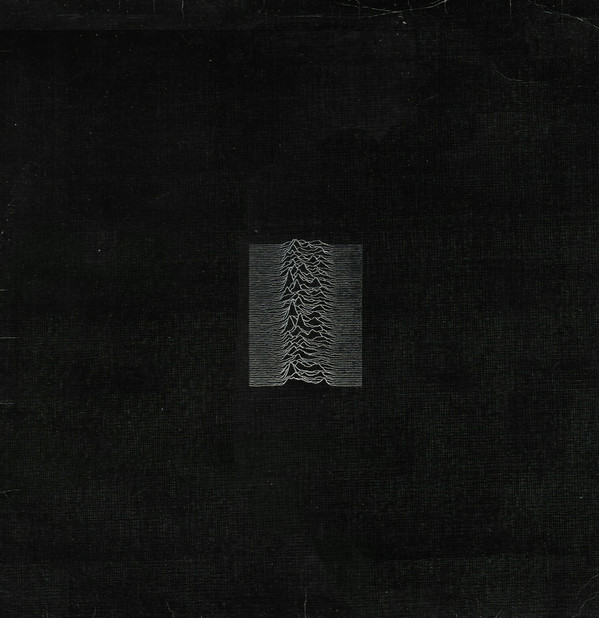
I was unaware of this one until the year after (the news about Ian Curtis came through). But when I did hear it all the way through (having ridiculed its seriousness or really its fans' seriousness) I loved it. Unrelentingly dark and spooky with strange noises-off like something bad was happening deep in the hall of the songs. Not just heavy, it was unsettling. It made the proto-goth of Bauhaus look like cabaret.
This might warrant an article to itself, now that I think on't.
Tusk - Fleetwood Mac
Hated then and hate now. This eighty disc album was released with a campaign built on its excesses (long gestation in songwriting and even longer and more expensive recording and longer still mixing and mastering) which felt like an insult in the time of musical austerity in the wake of punk rock. A band that thought it was building a cathedral but really only producing a denser housebrick. I will never understand the love millennials (and people in their 50s pretending that they are millennials) have for this garbage.
The Wall - Pink Floyd
This completely surprised me. We had a copy of Dark Side of the Moon in the rumpus room record stack and I never played it once. Pink Floyd always struck me as stuff for the oldies until I read about Syd Barrett and then heard Piper at the Gates of Dawn. But then 4T0 did a play-through and discussion of The Wall and I fell in instant love with Comfortably Numb. I got it for Christmas through one of my usual Christmas present suppliers (sister, parent, can't remember) and recall listening to all of it after a weighty Christmas lunch with some of my siblings. My sister Marina declared it intriguing but sick which I took as praise. It didn't turn me into a Floyd fan by any means (I only heard most of their work in the noughties) but I felt, for all its excess of production and length, that it was the best fellow traveller to punk outside David Bowie. I still like a lot of it.
Fear of Music - talking Heads
Liked it better later. This one formed part of the general Uni party soundtrack and, when it surfaced in the gaps of the conversation, I would note it. The instrumental Drugs is a favourite and if I hear it now it reminds me of the powerful effects of OP rum on the teenaged brain. Not as unpleasant a sense memory as that might seem.
In Through the Out Door - Led Zeppelin
Punk has erased most of what I felt about Led Zeppelin but one school friend bought this (I wasn't going to) and I put it on with the brother who had really nurtured my investigations of the band. In The Evening made a big blasting opening but then it just kind of perked out into tuneless filler until the next epic track which sounded like prog rock and then the big soppy ballad and then the formless blues that sounded like a piss take. As a young punk I rejected it wholesale. I later bought it in the eighties when I was replenishing old records I'd hastily jettisoned in the move from Townsville to Brisbane, and then as HD downloads with the recent remasters. Still only really like In The Evening and Carouselambra, though.
Regatta de Blanc
The Police went from cool to daggy within about a year. Nevertheless the first single from this, Message in a Bottle, enthralled me and I will always associate it with the rainy summer of that year and everything that was going on. I heard all of this album at the time and, while it didn't make much of an impression as a set of standout tracks I did like the newness of the sound, the complex production and strong vocals. Part of the era that didn't make it through to me later.
The Specials
Another one I didn't know about until the year later but then really took to. I had so little concept of ska but tracks like Gangsters pushed a darker side of the dance. I cannot separate this from my move to Brisbane and the part it played in dispelling a short-lived but intense period of right wingism I went through. That was mostly about contrarianism and fuelled by the return to social zero of being in a new town. It started fading the moment my new social life started. That involved listening to records like this and a real warmth in ejecting all the wrong.
Lodger
Low was big and spooky when not unnervingly quirky. Heroes was, apart from its big title track that was also a hit single, a dark delve into the night. Lodger was a travelogue which, despite its big leaps in style and mood, felt friendlier. The song and video of Boys Keep Swinging felt like a piss take but still proved very infectious. DJ felt like Talking Heads but in the best way, influenced rather than ripped off. Look Back in Anger brought in epic texture and a Beatlesque chorus. And it went on with fluid ebow guitar, prepared piano and in the middle of it all a quiet and eerie song (Repetition) about domestic violence. I felt very avant just owning this but loved listening to it anyway. Still do.
Eat to the Beat Blondie
Blondie went all Phil Spector with massive scale pop like Dreaming, Union City Blue and Atomic. The whole thing flowed and bumped the mood at high school parties (Uni students probably considered it too teen). This was really the final one for me as, some singles aside, Blondie was a spent force after it. They played in Townsville at the end of the year (or was it 1978?) and sounded like a good live band but they didn't sound like this.
The B52s
One of my sister's Uni friends had this and we heard it one afternoon at his place. There was such pluck and invention in the grooves. Fifties sci-fi monster movie imagery, brittle naivete, spiky guitar tone like a banjo playing surf rock. A talking male voice lifted by two women harmonising in mighty voice. Part beachnik, part garage rock and all party, this one endures and still sounds like summer holidays.
The Pleasure Principle - Gary Numan
The sound of tomorrow was a creamy scream over prickly synthesised bass and a voice that sounded like it had never known emotion. Tales of cybernetic intelligence with real emotions, identification with cars that had nothing to do with rock and roll, a droning lament that introduced as pre-future an instrument as a viola and tore into the listener as the song's confession told us of the complex. A big sustained cinema show that stirs me to this day.
One Step Beyond Madness
Like The Specials I knew this better the following year in Brisbane and liked to the same effect.
Prehistoric Sounds
This was so ill-served by its label that I didn't get to hear it for years. No local radio, nothing on any of the music shows on tv and not in shops. By the time I might have pursued it I was a broke student. It's the only one I didn't even have as a tape. I bought the reissue box of the first three albums and wished I'd made the effort. Still, better late ....
SINGLES
Well ...
There'd been years of disco and years of punk and some surprise infiltrators appeared. Anita Ward's Ring My Bell, like I Feel Love, was a disco hit that osmosed through the wall of the Disco Sux crowd, having a disarming ethereality. Le Freak, similarly was one of the few funk that got past the punk bouncers. I loved hearing that bass line punching at the glass of the refec. Donna Summer tried the other way around and came up with the rock Hot Stuff which worked. Amii Stewart's cover of Knock on Wood got everyone going with its chunky electronics, soul screaming vocal and brass bursts. We Are Family sounded like the 60s but only a few of us knew that.
But...
The Bee Gees stepped back from the disco reign they had established back in '75 and tried some big orchestral pop mixed in with the shrieking falsettos that had made them a million and more but Tragedy ended up sounding old and shrill.
All of us who abandoned ABBA could only nod sagely at how samey Chiquitita was and knew we'd made the right decision (and then decades later pretended that we hadn't decided on anything and blaster stuff like this through our phone earbuds).
Robert Palmer's Bad Case of Loving You played on Countdown with the same backline of models windmilling fake guitars as his much later Addicted to Love. Hmm.
The Little River Band's Lonesome Loser was so out of place with its times that it felt like it should have had a video in gluey black and white.
ELO ripped the hook from a Pretty Things song no one remembered and even took the title (Don't Bring Me Down). I had a friend called Bruce. A characteristically meaningless moment in the song sounded like "don't bring me down, Bruce" so I'd often surprise him by suddenly yelling, "don't bring me down, Bruce. Don't bring me down, Bruce. Don't bring me down, Bruce. Don't bring me down!" Ah, such fun. I tell ye.
Born to Be Alive went forever and was meant to. That it sounded machined for the disco crowd didn't seem to turn anyone off.
I Will Survive had a zombie life beyond that of Stairway to Heaven. It is so numb from repetition that I can only hear an impression of it rather than the song itself.
My Sharona was great until you heard it the fourth time and you'd worked it out to find that it was kind of naff and creepy.
Supertramp's Logical Song would have pleased everyone who liked the earlier stuff a lot. Not me.
Racey's Some Girls was like better produced Merseybeat but with the cringing camp of the late 70s.
Up There Cazaly was about a game played somewhere on another planet (I didn't even realise how Melbournian it was being) and sounded like the king of the zombies leading a charge.
I think C'mon Aussie C'mon was the same thing for cricket.
Kiss embraced disco with a pretty good hit in I Was Made for Loving You but managed to make themselves look silly and irrelevant in the video.
Everyone loved the chorus of Baby It's You but the whining verses sounded like they dressed in frayed flairs from an op shop.
Over the Border was a post-Shirley Skyhooks' attempt at a punk anthem. It sounded more pub rock which wasn't just the music and the bellowing vocal but one of the verses which bid the visitor to Queensland not to get caught having sex with underage girls. Really. Not to get caught. I resisted. At least the Angels' crack at it kept the politics ... political. The 'Hooks really only had revival and embarrassment to look forward to after this.
But then again ...
I Don't Like Mondays was a guaranteed hit among schoolkids and was where I went to school. A rich pop drama about a school shooting was good enough but the invitation to join the irony of the '50s style verse melody and the cinema in the chorus and video made it irresistable. If you'd seen the Boomtown Rats two years before on Flashez you might have been surprised but if you'd stuck around on that story for the interview with the band you wouldn't have been. Bob Geldof, when challenged about the "punk" sound said: "we play 1977 pop music." Obvious thing to say but it felt like a bolt.
Video Killed the Radio Star sounded like it was made in a cake shop that had the word quality in its log line but it was nevertheless crafty and hooky and I gave it points for that. Like a few on this list this record pointed the way to charting pop for the next five years. If you came into your own pop music in the '90s, listen to the female vocals in this one and hear the Pixies.
I thought I'd written Shadow Boxer. In fact, when it was played on Countdown it took a second to realise that they'd just got to it first and that it wasn't that unique a chord progression and they'd done it really well. Not a big fan of The Angels but still like this. Great use of harmonic change in the middle eight and momentum leading to the solo.
Dave Edmunds covered an Elvis Costello B-side and turned it into a worldwide hit. Girls Talk is a magnificent, galloping slice of bright pop from the relentless forward motion of the verses to the shing of the choruses, through the brilliance of the 12 string solo (oddly a tone lower than the rest of the song) to the ringing fade. Greatness.
Joe Jackson's Is She Really Going Out With Him kept the right side of the divide that Graham Parker straddled between boomer white-soul and British punk. This was a big moment.
I didn't know much about reggae so I had no problem liking the catchiness and production of Jo Jo Zep and the Falcons' Hit and Run.
The Reels' Love Will Find a Way was served by a rare non-embarrassing mimed video. They didn't sound like anything else Australian and kept their promise to stay good.
It was hard to accept that The Dickies were not British. They looked and sounded like it and didn't sound like anything American. Their cover of The Banana Splits theme song remains a heartstopping favourite.
Reasons to be Cheerful downplayed the big hit before it (which I also used to quote all the time) and had more staying power, being funnier and creepier.
Protection was the only song by Graham Parker I cared about. It kind of had a hard ska rhythm which I mistook for Brecht and Weill and was served by a great evocative video. It was on high rotation one Saturday night when a few of us just drove around and around doing nothing. It was the only time I ever did that and it made me vow to never do it again. It was both boys and girls but not remotely sexual. We all knew each other too well. I remember it, rather, as enjoyable but weary. Didn't quite work. If I were to apply nostalgia to it I'd think American Graffiti with a '70s lean or some crap by John Hughes but while we talked and drank a lot it mostly ended up in the bowl like the rest of our hangovers' byproducts. Seventeen and nothing. The song's still good, though.
Judy Tzuke's Stay With Me Till Dawn blended singer songwriter earnestness with a Pink Floyd arrangement and a video that looked like a Dr Who episode set by the Arctic Ocean. Still like this one.
Mi-Sex cannily put Computer Games out with the electronics and quirky popping vocals in full knowledge that it would have a life after the top ten as the background for stories on 4 Corners and Simon Townshend's Wonderworld for years to come.
Lene Lovich began blipping on Australian radar with Number One, launching numberless jokes from deservedly faceless middle aged DJs about it not being no. 1 on the charts. But it was and is a mighty pop statement.
I could yell almost all of M's Pop Muzik and happily assumed the role of performing monkey on request. Everyone: "New York, London, Paris, Mosman!"
So...
The year ended. I had some fun on Magnetic Island after school was through and returned to face uncertainty. I failed to get into uni and then failed my driving test. I lazed on the patio, sipping on lemonade and vermouth, strumming an acoustic and reading something by Gore Vidal or Anthony Burgess. I recall strongly wandering along the Strand after some errand in town. I stopped by the artificial waterfall that used to be there and was hit by a sense of panic. I had no idea what would become of me. I had no idea how to start an adult life. I knew I couldn't blame anyone else for that but that only made it worse. I eventually got a bus home and went through a list of illformed options, all of which looked too difficult or boring. Mum saved me by enrolling me in a kind of patchup school in Brisbane where you could keep all your strong subjects (I was good at a few things) and just make up the gap with new courses. But you had to do two years worth in one. Anyway, until then I partied, moped and played guitar through a fuzzbox that I eventually lent to someone forever (and then found out it was rare and worth a mint). Still, the days were lazy and the nights drunk and filled with promises. I took a plane south in January and never lived in Townsville again ... though I visited. But I can easily remember that the TAA plane rose above the coast and for a moment the window by my seat was filled with the glistening jade green of the water far below. That wasn't the last time but there would be very few more. There would have been a song in my head but I don't know what it was.
Sunday, June 16, 2019
1969@50: THE WHO - TOMMY (this is gonna be a long 'un)
This Who album is known for a few things. It's a double set. It's (arguably) the first rock opera. It took the band from playing covers and rock standards to assuming the stage of ever increasing masses with an opus beyond a grab bag of singles or jamming. Its substance was the fulfilment of a growing expression on the previous two albums of narrative song cycles. What it isn't known for is being anyone's favourite Who album.
It shares this with the debut My Generation. A Quick One gets a guernsey for the title track. Sell Out is higher than a listen would warrant for the sheer pluck of its concept of celebrating pirate radio. Then, leap over Tommy and land on the one that everyone claps, Who's Next. Who By Numbers is overshadowed by the inferior Who Are You as that is the final with band legend Keith Moon. Even the live album gets accolades and the first release of that was mostly covers. But Tommy? It had a film treatment and a complete musical overhaul as well as many stage productions and the band toured on it for years afterwards. These are far better known than the album at the spark end. But this ambitious offering that closed the band's first phase goes oddly unsung.
It really shouldn't, though, as it forms a perfect bridge between the cheeky experiments of the mid sixties and the stadium bombast of the seventies. Yes, it's a big concept that just seems to get bigger as it goes along, right up to the mass prayer at its close, and yet it is the most stripped back the band would ever be. This is an opera with choruses, arias and recitatives, introducing itself with a classical calling card and then crashing through into two fisted rock all on a bed of shining acoustic guitars and harmonies that sound like an orchestra imagined by someone who had never heard one. And even newer Who fans look at the blue latticed pattern cover art and think it's a version of the stage show.
So, what's it all about?
THE STORY
This isn't always clear from the music and lyrics alone but here goes. Mrs Walker hears of the disappearance of her husband on a military mission. She gives birth to their son, known henceforth as Tommy. He returns after the war and murders the man she has taken up with. When the pair see that Tommy has witnessed this they bear down on him with such force that his sight, hearing and speech all shut down. Cures are tried including a sideshow charlatan, a psychedelic drug dealer and a real doctor. The latter reports that the boy's senses are fine but that he needs his inner block broken. That's not so easy when he has left with a psychopathic cousin and paedophilic uncle. No wonder all he can do is stare into a mirror. And play pinball. That's important. His parents become so frustrated that one of them smashes the mirror and Tommy is shocked back into reality. Far from signing up to the local labour exchange he is hailed as a hero (he's already the pinball champion) and then, with a message of enlightenment, a kind of Messiah. He gathers a mass of followers but they come to spurn the commercialism of his ministry with its "pricey deals". They realise they don't want more or any religion and abandon him. At the peak of a life of lucky breaks and traumatising disasters he retreats into himself and sings the prayer we've already heard: Listening to you, I get the music ..... End.
Hokey? Sure, but that's a lot more plot than most operas get and it touches on a lot of the decade grinding to an end, heavy with gurus, drugs, excess and fatality. Like those other operas we might not scruple to take its events entirely literally. Townshend had embarked on his own devotion to the teachings of Meher Baba (whose influence would continue in Who songs not without some characteristic worldliness from his devotee). He had recently failed to be won over by acid but it had affected him deeply. Like Ray Davies, Townshend was intensely self-reflective and while he enjoyed his rock stardom never ceased to question it while still young. War, family dysfunction, hedonism, the assault of touring, the push and pull of swinging London: what did that add up to? Tell it as a story and see what comes out. That's Tommy.
What's also Tommy is the continued influence of co-manager Kit Lambert, son of a famous conductor, full to the brim with Euroculture and his suggestion that the early experiments with narrative and character in songs might be the only way of progressing. He had an orchestral extravaganza in mind. His protege had other ideas. But the notion was sound. The song cycle A Quick One from two years earlier is still a convincing musical story. Rael from the year before has less cohesion but hinted at the power of abstraction (and revealed more than a few musical figures that found their place in Tommy). The Sell Out album has great highlights but loses puff as a concept album. There were a few pointers on the road and Townshend took them.
First, opera. Rock opera. Not just a concept with a story with songs and narration like SF Sorrow or Ogden's Nut Gone Flake. But opera, with an overture, recitatives, arias and choruses, done as rock music. I won't be going through this double album track by track but there will be stations that require some examination. Like the Overture.
THE ALBUM
From the big tolling chords of the opening to the cymbal crash of the last chord the Overture to Tommy is remarkable for a number of reasons. First, while it does run through themes to come it doesn't play them as a quilted medley as composers of third tier opera had. Nor does it play as a more textured indication of the mood of the tale (Mozart's sprightly overture to The Marriage of Figaro screams great big comedy) with figures that begin and end there. And it doesn't just set the scene programatically like Wagner's preludes: the Ring cycle begins with a long pedal note over which the orchestra expresses the strengthening and widening of the Rhine. But it is very classical in structure. The booming opening chords are from 1921. The sprightly guitar and drum interplay is from Go To the Mirror, the blinding organ chords at the end are those of the prayer Listening to You and the coda is a portent of Pinball Wizard but none of this is a series of instrumentals waiting their turn. The chords of one piece will serve the melody of another, the strident French horn figure of We're Not Gonna Take It is easily supported by the chopping rhythm of The Hawker. And so on. This is not a quilt, it's a weave presented by a composer who wanted the piece to serve as a welcome as well as intrigue his listeners.
Also, this was the era of concept albums with big ideas. It was the epoch of Days of Future Passed with its grand orchestral soundscapes and grave poetic narration. Apart from some guitar overdubs, piano reinforcement and big percussion, The Who could play Tommy down the pub as a four piece. The sole orchestral instruments on the album could be played by Entwistle (French horn and trombone) and Moon (gongs, kettle drums) but really, the band would do. Would? Did. The Who spent the next few years playing most of the opera as a good half of their stage show. The sense that, after the hyperbolic responses to things like Sergeant Pepper, this band could rock an opera anywhere they'd fit.
The Overture ends with a bang but from under its dying cymbals comes a pretty acoustic guitar figure which gets strident as Townshend sings about Captain Walker's disappearance and then meanders and glitters until settling into what I'll call the birth theme (slow F# two beats G and D one beat each and D for two beats) which will resurface whenever Tommy comes upon renewal or discovery. Townshend in choirboy voice announces the birth of Mrs Walker's son.
1921 begins with the big tolling chords of the Overture but settles into a jangling major key base as Mrs Walker and her new man declare mutual love and look forward to the future. Enter Captain Walker. Murder! "What about the boy? He saw it all." The parents bear down on the child, scaring him into a sightless, deaf and mute state.
The narrator returns for Amazing Journey. Roger Daltrey in very smooth voice tells us over music that rises and falls like waves that Tommy is not as poorly off as he might seem as his inner life is rich and exploratory, finding wisdom in the disturbance of his illness and even has a vision of a sage or god. And as sickness takes the mind where minds can't usually go we cross a bridge of lovely grinding psychedelia into the instrumental Sparks which plays like an extension of Amazing Journey but progresses further into aural rooms that just seem to get larger. The birth theme plays on acoustic guitar as Entwistle's boomy picked bass brings things back down to earth in an increasingly gentle landing procedure.
The Hawker starts with bright guitar arpeggios before kicking into a strident four on the floor rhythm with a gigantic kettle drum punctuation as Daltrey screams in praise of his woman. He claims she has miraculous powers. This song is accredited to bluesman Sonny Boy Williamson although the musical setting owes a lot of Townshend's reimagining. Tommy's parents are trying religion to cure him. There is an instrumental section which suggests a ceremony or process and it features a tremolo style electric guitar rising between firsts and fifths before the preacher takes over again, letting us know the only thing working around there is his opening pitch.
Christmas bashes into gear with a solid Daltrey vocal backed by powerchords a choral harmony augmented by some very clever tape delay. The day brings both guilt and frustration to the parents who try to coax the boy back to awareness with an increasingly shrill and desperate plea: Tommy can you hear me? And then we hear for the first time the See Me Feel Me response that only Tommy can hear, bright in a clear high pitch against solemn chords before it's back to the parental screaming and a final verse of continued frustration.
Cousin Kevin torments Tommy. A sweet guitar figure plays under equally sweet harmonies that tell of tortures while "the grown ups have all gone away". This is one of two songs that bass and brass player and resident ghoul-humoured member John Entwistle contributed. Coming from his gothic nursery rhymes and proto-metal riffs in earlier albums with songs like Silas Stingy and Boris the Spider, Entwistle imagines the bully as having the confidence of the sneak. Musically, it travels from the glee club opening to some very curly and modal harmonies as the band in choir mode. It's nastier for its sweetness.
Tommy gets lobbed along to the Acid Queen a West End psychedelics dealer and maybe sex worker (it's intentionally ambiguous here) who induces a trip by way of treatment. The lyric about tearing souls apart and twisting bodies is terrifying but the music of the verse is jangling soft rock arpeggios and a five-quaver figure in the chorus to add a little (and really just a little) force. Townshend's vocal approaches a nasty break but never quite gets there. The song sounds solemn rather than scary. There is a tremolo guitar figure in the break that is unmistakably similar to the one in The Hawker. Subsequent interviews with Townshend have revealed that he not only linked the two figures but suggested that the woman of the earlier song was the Acid Queen. Why would they be so far apart in the overall sequence, then? A foreshadowing? No idea but it's an intriguing notion.
The Underture is no longer the joke title and space filling instrumental I first took it for. At over ten minutes it's the longest track on the album. Beginning with the birth theme played on a clean electric guitar and palm muted bass, it uses a figure from the previous album's Rael, this time augmented with powerful kettle drums over Moon's building momentum on the kit. Breaks include a creepy choir under a single note tremolo, frequent returns to the birth theme. This is maintained with this scant material against expectations. It took me a long time of skipping most of this track to realise that this is the trip the Acid Queen gave Tommy and the soaring flights of inner space exploration in Sparks are now fully fledged, dark and cathedral-sized, and expanding. I now think it's a magnificent piece, foreshadowing (for better AND worse) the excesses of prog rock by outfits like Yes or Genesis in the decade to come. The evocation of a mind growing beyond its bounds is certain and powerful, easily imaginable as cinema. An orgasmic triple blast of cymbals and dissonant French horn brings to the end of the first part, first disc, and leaves us with a Tommy as a kind of accidental god.
Do you think it's alright to leave the boy with Uncle Ernie? The next song answers in a profound no. John Entwistle's two contributions to Tommy were (I'm going by autobiographies here) due to Townshend's difficulties in approaching material about bullying and child molestation. Townshend claims he was victim of both. I'm going to believe him, for the record. But it's revealing that he gave them to the member of the band who was best given to the monstrous. Uncle Ernie's song Fiddle About is punctuated by a low growling trombone figure (contributed by Entwistle) and a high and unsettling solo vocal by the bass player. The power of the absence is never felt on this set as keenly as here.
Pinball Wizard begins with excited acoustic guitars that are quickly beefed with power chords and the rest of the band. Daltrey's vocal is forceful. Tommy's inner life is turning into pure power and it makes his parents think. So There's a Doctor follows with sprightly harmonies and hope.
Go To the Mirror is a marvel. The kind of growling amp distortion power chords that Townshend would soon be known for are here displayed in full flight. It's just an E and B-A E but boy does it work. Daltrey in the place of parents and doctor sing that the boy's reflexes are normal but not breaking through and is interrupted by Townshend in chorister mode singing "see me, feel me, touch em, heal me" ready to break through. Townshend as opera composer does this twice before a thrilling whole band imprecation that Tommy approach his mirror. And then, and this still sends shivers, one of the parents says they wish they knew what was happening in his head when the prayer Listening to You breaks out in full band thrust. But only Tommy has heard that. They are still no wiser.
The parents plead Tommy Can You Hear Me to an acoustic wash and lively bass backing to leave the name alone echoing into the void. Smash the Mirror bursts to life like the most potent soul records as the parents scream about his infatuation with the reflection. It ends with breaking glass ans a weird choral ahhh.
In the gentle acoustic rocker Tommy comes to awareness of his fame and miraculous recovery and declares himself a sensation. Note for the strident and lovely French horn accompaniment of the Ox, here. The song Miracle Cure is another chorus in choral Who style.
Sally Simpson is important but often overlooked. As a song it was pulled in from the repetoire as a comment on crowd violence at the live shows but appropriated for the album. Sally, in a narrated verse chorus, is a fan who reached too hard and was left damaged. But then, she did end up with a rock musician who came from California.
I'm Free does the old You Really Got Me trick of starting in one rhythm and continuing in another. Tommy declares himself free of his bounds in increasing passion (courtesy of Daltrey's increasing passion) until the soft to hard rock song ends in a choral descent through the Pinball Wizard riff.
Welcome is a strong emotive Daltrey vocal over a smooth acoustic backing, asking everyone in until too many take him at his word. But, not dismayed, he keeps the message going. Tommy'[s Holiday Camp is the song Townshend wrote for Keith that introduces us to the merch.
We're Not Gonna Take It is the sound of a crowd wising up to commercial snow jobbing. They reject the carnival spruiks and deals and leave him where he is. Alone he resorts to his plea to be felt, seen and healed and loses himself in the prayer Listening to You.
OR
He wins the crowd over and they sing the prayer.
Which do you think it was, children?
Me? I think he reverted and sank back into self immersion. Otherwise, you have to deal with a crowd wised up falling for another carnival trick.
THE BAND
As any account of the experience of this album is going to be work. So much is going on that one moment must have its performance celebrated and another its structure. It's complex but the thing is that after all that this still sounds like record made by a rock band. Actually, they sound more like a band here than on any record since the debut album. The mid '60s saw The Who extending themselves wildly into new sonic territory and Kit Lambert's production was growing ever more adventurous in itself. But Tommy had to be special. If they didn't want to get tagged with pretension or bombast they needed to serve this complicated story up as plainly as they could while still serving the concept. And that's what happens.
Townshend laid down a lot of acoustic guitar tracks with the intention of replacing them with electrics. But he found the effect of the glittering acoustic textures which could shift into strident marches or fanfares. It also added greatly to both the back-to-basics approach and added a more transparent layer, enhancing access for the listener. When he rocks out it feels like it, roaring or crunching electric tone that can settle into a gentle jangle. The sheer breadth of his guitar playing, while it might at first seem on a short spectrum, delivers worlds.
Entwistle and Moon are both solid in partnership and brassy in bravado throughout. Moon takes many opportunities to lighten his famous lead pipe style to provide some real subtlety but then creates thunderstorms when needed. The instrumental performances on this album manage to keep the freshness in. When extra voices are brought in like Entwistle's brass, piano or orchestral percussion it feels taxed by the phrase. As the band provide all their vocals, solos, duets, choruses etc, what might have really sounded overblown ends up far more candid. Kit Lambert's wish to set the piece to a full orchestra was well vetoed by the band. As it is they could play it on stage and they avoided it sounding as dated as the Moody Blues do now.
TOMMY AND ME
Tommy was the first album I bought with my own money. Well, not really. I was newly teenaged and hard to buy presents for so it was Mum's Christmas present that I chose. Oh, and it wasn't this album, it was the movie soundtrack. I wasn't to see the movie for a few years but the inner sleeves and gatefold art with its quilted stills from the film engorged my imagination. But one thing that did come across was a pretty clear sense of the story.
Each character had a particular voice and there were female as well as male voices. Townshend's arrangements leaned heavily on the kind of synthetic orchestration he had been exploring with the Who albums and it was solidly expressive. The experience felt like overhearing a movie and when I finally got to see it at the Twin Cinemas in Townsville with a bunch o' school friends it was actually much better than I had imagined. I knew the name Ken Russell from my sister's accounts of movies like The Music Lovers and I'd seen a local radio station's advance screening of Lisztomania at the same cinema at the end of the year I bought the record. Those experiences seemed to bring a world of creativity and art flashing into my brain.
So, when, after I found I did actually like the Who after getting a dub of Sell Out from a school friend and buying a copy of the Meaty Beaty Big and Bouncy compilation, and after many visits to Ken Hurford's Records ended in my leaving the big blue double sleeved opus where it was and exiting the shop confused as to why I should threaten my relationship with the opera by listening to what I could only imagine was a feeble first go.
But one morning in the cooler part of the Townsville year I went into Ken Hurfords and picked it up. Once home, I put it on and was immediately confused that the Overture was not like the big brassy Wagnerian thing from the movie but a rock band playing through what sounded like bits of songs. From there all I heard was weedy vocals and a lot of acoustic guitar. The only Tommy track on Meaty Beaty was Pinball Wizard but that had a full throated Daltrey vocal and some great power chording from Townshend. I liked the weird wobbly choir and guitar crunch in Christmas and Go To the Mirror but I'm Free sounded like The Seekers. As for the Underture ....
You should understand that this was 1978. My most played album was Never Mind the Bollocks. I had a strong sense that The Who's legacy fed straight into the Pistols (they even covered Substitute on the Swindle soundtrack) and this thing ... I made a cassette of the tracks I liked and left it at home when I moved to Brisbane.
But here's the thing (and this is a way of incorporating my listening notes in the main article) the original LP master is muddy and lifeless (and this on the deep dish import vinyl that Ken Hurford sold). It would have taken gentle understanding well beyond my capability to read through that. The record sounded dark in the other sense, also, like the complicated cover art with its strange storybook illustrations and the main triptych of a latticed planet in a starless black sky surrounded by white birds and a fist breaking through the void. I could easily relate all that to the concept but I felt nauseated by it.
Some time in the 2000s I happened on a re-release on CD at a discount and bought it for the sake of it. The remaster opened windows. The shine of the acoustic guitar and growl of the electric, the brightness of the vocal harmonies and meatiness of the bass and drums just popped. It was an extraordinary difference. I started listening to the whole thing regularly. Then when the DVD-Audio appeared with a surround mix overseen by Townshend I snapped it up. And then all the way up to the recent Blu-Ray Audio version (which has the offputting feature of putting the drums to the rear left speaker of the 5.1). I settled on the legit download from and online shop which is how I listen now. The current mastering is "a sensation".
LISTENING TO YOU
It still works. It doesn't invite you in the way that Who's Next or Sell Out do. Bolder in concept but more modest in execution than either of those, this album flaunts the expectations by not sounding like a musical progression. It is the idea that, when you grasp it, does that job. A group that seemed destined to roar and thunder in the stadiums to come stepped back from the foldback speakers to craft a testament to its imagination and maturity. Fans will sooner put I Can See For Miles or Won't Get Fooled Again on eleven while this understated marvel seems to plink underneath them. But, I swear, if you should step from that light into the big dark universe of Tommy and follow its peaks and valleys through to its upsetting inner-cosmos you will feel richer for it, strained, perhaps, but richer.
It shares this with the debut My Generation. A Quick One gets a guernsey for the title track. Sell Out is higher than a listen would warrant for the sheer pluck of its concept of celebrating pirate radio. Then, leap over Tommy and land on the one that everyone claps, Who's Next. Who By Numbers is overshadowed by the inferior Who Are You as that is the final with band legend Keith Moon. Even the live album gets accolades and the first release of that was mostly covers. But Tommy? It had a film treatment and a complete musical overhaul as well as many stage productions and the band toured on it for years afterwards. These are far better known than the album at the spark end. But this ambitious offering that closed the band's first phase goes oddly unsung.
It really shouldn't, though, as it forms a perfect bridge between the cheeky experiments of the mid sixties and the stadium bombast of the seventies. Yes, it's a big concept that just seems to get bigger as it goes along, right up to the mass prayer at its close, and yet it is the most stripped back the band would ever be. This is an opera with choruses, arias and recitatives, introducing itself with a classical calling card and then crashing through into two fisted rock all on a bed of shining acoustic guitars and harmonies that sound like an orchestra imagined by someone who had never heard one. And even newer Who fans look at the blue latticed pattern cover art and think it's a version of the stage show.
So, what's it all about?
THE STORY
This isn't always clear from the music and lyrics alone but here goes. Mrs Walker hears of the disappearance of her husband on a military mission. She gives birth to their son, known henceforth as Tommy. He returns after the war and murders the man she has taken up with. When the pair see that Tommy has witnessed this they bear down on him with such force that his sight, hearing and speech all shut down. Cures are tried including a sideshow charlatan, a psychedelic drug dealer and a real doctor. The latter reports that the boy's senses are fine but that he needs his inner block broken. That's not so easy when he has left with a psychopathic cousin and paedophilic uncle. No wonder all he can do is stare into a mirror. And play pinball. That's important. His parents become so frustrated that one of them smashes the mirror and Tommy is shocked back into reality. Far from signing up to the local labour exchange he is hailed as a hero (he's already the pinball champion) and then, with a message of enlightenment, a kind of Messiah. He gathers a mass of followers but they come to spurn the commercialism of his ministry with its "pricey deals". They realise they don't want more or any religion and abandon him. At the peak of a life of lucky breaks and traumatising disasters he retreats into himself and sings the prayer we've already heard: Listening to you, I get the music ..... End.
Hokey? Sure, but that's a lot more plot than most operas get and it touches on a lot of the decade grinding to an end, heavy with gurus, drugs, excess and fatality. Like those other operas we might not scruple to take its events entirely literally. Townshend had embarked on his own devotion to the teachings of Meher Baba (whose influence would continue in Who songs not without some characteristic worldliness from his devotee). He had recently failed to be won over by acid but it had affected him deeply. Like Ray Davies, Townshend was intensely self-reflective and while he enjoyed his rock stardom never ceased to question it while still young. War, family dysfunction, hedonism, the assault of touring, the push and pull of swinging London: what did that add up to? Tell it as a story and see what comes out. That's Tommy.
What's also Tommy is the continued influence of co-manager Kit Lambert, son of a famous conductor, full to the brim with Euroculture and his suggestion that the early experiments with narrative and character in songs might be the only way of progressing. He had an orchestral extravaganza in mind. His protege had other ideas. But the notion was sound. The song cycle A Quick One from two years earlier is still a convincing musical story. Rael from the year before has less cohesion but hinted at the power of abstraction (and revealed more than a few musical figures that found their place in Tommy). The Sell Out album has great highlights but loses puff as a concept album. There were a few pointers on the road and Townshend took them.
First, opera. Rock opera. Not just a concept with a story with songs and narration like SF Sorrow or Ogden's Nut Gone Flake. But opera, with an overture, recitatives, arias and choruses, done as rock music. I won't be going through this double album track by track but there will be stations that require some examination. Like the Overture.
THE ALBUM
From the big tolling chords of the opening to the cymbal crash of the last chord the Overture to Tommy is remarkable for a number of reasons. First, while it does run through themes to come it doesn't play them as a quilted medley as composers of third tier opera had. Nor does it play as a more textured indication of the mood of the tale (Mozart's sprightly overture to The Marriage of Figaro screams great big comedy) with figures that begin and end there. And it doesn't just set the scene programatically like Wagner's preludes: the Ring cycle begins with a long pedal note over which the orchestra expresses the strengthening and widening of the Rhine. But it is very classical in structure. The booming opening chords are from 1921. The sprightly guitar and drum interplay is from Go To the Mirror, the blinding organ chords at the end are those of the prayer Listening to You and the coda is a portent of Pinball Wizard but none of this is a series of instrumentals waiting their turn. The chords of one piece will serve the melody of another, the strident French horn figure of We're Not Gonna Take It is easily supported by the chopping rhythm of The Hawker. And so on. This is not a quilt, it's a weave presented by a composer who wanted the piece to serve as a welcome as well as intrigue his listeners.
Also, this was the era of concept albums with big ideas. It was the epoch of Days of Future Passed with its grand orchestral soundscapes and grave poetic narration. Apart from some guitar overdubs, piano reinforcement and big percussion, The Who could play Tommy down the pub as a four piece. The sole orchestral instruments on the album could be played by Entwistle (French horn and trombone) and Moon (gongs, kettle drums) but really, the band would do. Would? Did. The Who spent the next few years playing most of the opera as a good half of their stage show. The sense that, after the hyperbolic responses to things like Sergeant Pepper, this band could rock an opera anywhere they'd fit.
The Overture ends with a bang but from under its dying cymbals comes a pretty acoustic guitar figure which gets strident as Townshend sings about Captain Walker's disappearance and then meanders and glitters until settling into what I'll call the birth theme (slow F# two beats G and D one beat each and D for two beats) which will resurface whenever Tommy comes upon renewal or discovery. Townshend in choirboy voice announces the birth of Mrs Walker's son.
1921 begins with the big tolling chords of the Overture but settles into a jangling major key base as Mrs Walker and her new man declare mutual love and look forward to the future. Enter Captain Walker. Murder! "What about the boy? He saw it all." The parents bear down on the child, scaring him into a sightless, deaf and mute state.
The narrator returns for Amazing Journey. Roger Daltrey in very smooth voice tells us over music that rises and falls like waves that Tommy is not as poorly off as he might seem as his inner life is rich and exploratory, finding wisdom in the disturbance of his illness and even has a vision of a sage or god. And as sickness takes the mind where minds can't usually go we cross a bridge of lovely grinding psychedelia into the instrumental Sparks which plays like an extension of Amazing Journey but progresses further into aural rooms that just seem to get larger. The birth theme plays on acoustic guitar as Entwistle's boomy picked bass brings things back down to earth in an increasingly gentle landing procedure.
The Hawker starts with bright guitar arpeggios before kicking into a strident four on the floor rhythm with a gigantic kettle drum punctuation as Daltrey screams in praise of his woman. He claims she has miraculous powers. This song is accredited to bluesman Sonny Boy Williamson although the musical setting owes a lot of Townshend's reimagining. Tommy's parents are trying religion to cure him. There is an instrumental section which suggests a ceremony or process and it features a tremolo style electric guitar rising between firsts and fifths before the preacher takes over again, letting us know the only thing working around there is his opening pitch.
Christmas bashes into gear with a solid Daltrey vocal backed by powerchords a choral harmony augmented by some very clever tape delay. The day brings both guilt and frustration to the parents who try to coax the boy back to awareness with an increasingly shrill and desperate plea: Tommy can you hear me? And then we hear for the first time the See Me Feel Me response that only Tommy can hear, bright in a clear high pitch against solemn chords before it's back to the parental screaming and a final verse of continued frustration.
Cousin Kevin torments Tommy. A sweet guitar figure plays under equally sweet harmonies that tell of tortures while "the grown ups have all gone away". This is one of two songs that bass and brass player and resident ghoul-humoured member John Entwistle contributed. Coming from his gothic nursery rhymes and proto-metal riffs in earlier albums with songs like Silas Stingy and Boris the Spider, Entwistle imagines the bully as having the confidence of the sneak. Musically, it travels from the glee club opening to some very curly and modal harmonies as the band in choir mode. It's nastier for its sweetness.
Tommy gets lobbed along to the Acid Queen a West End psychedelics dealer and maybe sex worker (it's intentionally ambiguous here) who induces a trip by way of treatment. The lyric about tearing souls apart and twisting bodies is terrifying but the music of the verse is jangling soft rock arpeggios and a five-quaver figure in the chorus to add a little (and really just a little) force. Townshend's vocal approaches a nasty break but never quite gets there. The song sounds solemn rather than scary. There is a tremolo guitar figure in the break that is unmistakably similar to the one in The Hawker. Subsequent interviews with Townshend have revealed that he not only linked the two figures but suggested that the woman of the earlier song was the Acid Queen. Why would they be so far apart in the overall sequence, then? A foreshadowing? No idea but it's an intriguing notion.
The Underture is no longer the joke title and space filling instrumental I first took it for. At over ten minutes it's the longest track on the album. Beginning with the birth theme played on a clean electric guitar and palm muted bass, it uses a figure from the previous album's Rael, this time augmented with powerful kettle drums over Moon's building momentum on the kit. Breaks include a creepy choir under a single note tremolo, frequent returns to the birth theme. This is maintained with this scant material against expectations. It took me a long time of skipping most of this track to realise that this is the trip the Acid Queen gave Tommy and the soaring flights of inner space exploration in Sparks are now fully fledged, dark and cathedral-sized, and expanding. I now think it's a magnificent piece, foreshadowing (for better AND worse) the excesses of prog rock by outfits like Yes or Genesis in the decade to come. The evocation of a mind growing beyond its bounds is certain and powerful, easily imaginable as cinema. An orgasmic triple blast of cymbals and dissonant French horn brings to the end of the first part, first disc, and leaves us with a Tommy as a kind of accidental god.
Do you think it's alright to leave the boy with Uncle Ernie? The next song answers in a profound no. John Entwistle's two contributions to Tommy were (I'm going by autobiographies here) due to Townshend's difficulties in approaching material about bullying and child molestation. Townshend claims he was victim of both. I'm going to believe him, for the record. But it's revealing that he gave them to the member of the band who was best given to the monstrous. Uncle Ernie's song Fiddle About is punctuated by a low growling trombone figure (contributed by Entwistle) and a high and unsettling solo vocal by the bass player. The power of the absence is never felt on this set as keenly as here.
Pinball Wizard begins with excited acoustic guitars that are quickly beefed with power chords and the rest of the band. Daltrey's vocal is forceful. Tommy's inner life is turning into pure power and it makes his parents think. So There's a Doctor follows with sprightly harmonies and hope.
Go To the Mirror is a marvel. The kind of growling amp distortion power chords that Townshend would soon be known for are here displayed in full flight. It's just an E and B-A E but boy does it work. Daltrey in the place of parents and doctor sing that the boy's reflexes are normal but not breaking through and is interrupted by Townshend in chorister mode singing "see me, feel me, touch em, heal me" ready to break through. Townshend as opera composer does this twice before a thrilling whole band imprecation that Tommy approach his mirror. And then, and this still sends shivers, one of the parents says they wish they knew what was happening in his head when the prayer Listening to You breaks out in full band thrust. But only Tommy has heard that. They are still no wiser.
The parents plead Tommy Can You Hear Me to an acoustic wash and lively bass backing to leave the name alone echoing into the void. Smash the Mirror bursts to life like the most potent soul records as the parents scream about his infatuation with the reflection. It ends with breaking glass ans a weird choral ahhh.
In the gentle acoustic rocker Tommy comes to awareness of his fame and miraculous recovery and declares himself a sensation. Note for the strident and lovely French horn accompaniment of the Ox, here. The song Miracle Cure is another chorus in choral Who style.
Sally Simpson is important but often overlooked. As a song it was pulled in from the repetoire as a comment on crowd violence at the live shows but appropriated for the album. Sally, in a narrated verse chorus, is a fan who reached too hard and was left damaged. But then, she did end up with a rock musician who came from California.
I'm Free does the old You Really Got Me trick of starting in one rhythm and continuing in another. Tommy declares himself free of his bounds in increasing passion (courtesy of Daltrey's increasing passion) until the soft to hard rock song ends in a choral descent through the Pinball Wizard riff.
Welcome is a strong emotive Daltrey vocal over a smooth acoustic backing, asking everyone in until too many take him at his word. But, not dismayed, he keeps the message going. Tommy'[s Holiday Camp is the song Townshend wrote for Keith that introduces us to the merch.
We're Not Gonna Take It is the sound of a crowd wising up to commercial snow jobbing. They reject the carnival spruiks and deals and leave him where he is. Alone he resorts to his plea to be felt, seen and healed and loses himself in the prayer Listening to You.
OR
He wins the crowd over and they sing the prayer.
Which do you think it was, children?
Me? I think he reverted and sank back into self immersion. Otherwise, you have to deal with a crowd wised up falling for another carnival trick.
THE BAND
As any account of the experience of this album is going to be work. So much is going on that one moment must have its performance celebrated and another its structure. It's complex but the thing is that after all that this still sounds like record made by a rock band. Actually, they sound more like a band here than on any record since the debut album. The mid '60s saw The Who extending themselves wildly into new sonic territory and Kit Lambert's production was growing ever more adventurous in itself. But Tommy had to be special. If they didn't want to get tagged with pretension or bombast they needed to serve this complicated story up as plainly as they could while still serving the concept. And that's what happens.
Townshend laid down a lot of acoustic guitar tracks with the intention of replacing them with electrics. But he found the effect of the glittering acoustic textures which could shift into strident marches or fanfares. It also added greatly to both the back-to-basics approach and added a more transparent layer, enhancing access for the listener. When he rocks out it feels like it, roaring or crunching electric tone that can settle into a gentle jangle. The sheer breadth of his guitar playing, while it might at first seem on a short spectrum, delivers worlds.
Entwistle and Moon are both solid in partnership and brassy in bravado throughout. Moon takes many opportunities to lighten his famous lead pipe style to provide some real subtlety but then creates thunderstorms when needed. The instrumental performances on this album manage to keep the freshness in. When extra voices are brought in like Entwistle's brass, piano or orchestral percussion it feels taxed by the phrase. As the band provide all their vocals, solos, duets, choruses etc, what might have really sounded overblown ends up far more candid. Kit Lambert's wish to set the piece to a full orchestra was well vetoed by the band. As it is they could play it on stage and they avoided it sounding as dated as the Moody Blues do now.
TOMMY AND ME
Tommy was the first album I bought with my own money. Well, not really. I was newly teenaged and hard to buy presents for so it was Mum's Christmas present that I chose. Oh, and it wasn't this album, it was the movie soundtrack. I wasn't to see the movie for a few years but the inner sleeves and gatefold art with its quilted stills from the film engorged my imagination. But one thing that did come across was a pretty clear sense of the story.
Each character had a particular voice and there were female as well as male voices. Townshend's arrangements leaned heavily on the kind of synthetic orchestration he had been exploring with the Who albums and it was solidly expressive. The experience felt like overhearing a movie and when I finally got to see it at the Twin Cinemas in Townsville with a bunch o' school friends it was actually much better than I had imagined. I knew the name Ken Russell from my sister's accounts of movies like The Music Lovers and I'd seen a local radio station's advance screening of Lisztomania at the same cinema at the end of the year I bought the record. Those experiences seemed to bring a world of creativity and art flashing into my brain.
So, when, after I found I did actually like the Who after getting a dub of Sell Out from a school friend and buying a copy of the Meaty Beaty Big and Bouncy compilation, and after many visits to Ken Hurford's Records ended in my leaving the big blue double sleeved opus where it was and exiting the shop confused as to why I should threaten my relationship with the opera by listening to what I could only imagine was a feeble first go.
But one morning in the cooler part of the Townsville year I went into Ken Hurfords and picked it up. Once home, I put it on and was immediately confused that the Overture was not like the big brassy Wagnerian thing from the movie but a rock band playing through what sounded like bits of songs. From there all I heard was weedy vocals and a lot of acoustic guitar. The only Tommy track on Meaty Beaty was Pinball Wizard but that had a full throated Daltrey vocal and some great power chording from Townshend. I liked the weird wobbly choir and guitar crunch in Christmas and Go To the Mirror but I'm Free sounded like The Seekers. As for the Underture ....
You should understand that this was 1978. My most played album was Never Mind the Bollocks. I had a strong sense that The Who's legacy fed straight into the Pistols (they even covered Substitute on the Swindle soundtrack) and this thing ... I made a cassette of the tracks I liked and left it at home when I moved to Brisbane.
But here's the thing (and this is a way of incorporating my listening notes in the main article) the original LP master is muddy and lifeless (and this on the deep dish import vinyl that Ken Hurford sold). It would have taken gentle understanding well beyond my capability to read through that. The record sounded dark in the other sense, also, like the complicated cover art with its strange storybook illustrations and the main triptych of a latticed planet in a starless black sky surrounded by white birds and a fist breaking through the void. I could easily relate all that to the concept but I felt nauseated by it.
Some time in the 2000s I happened on a re-release on CD at a discount and bought it for the sake of it. The remaster opened windows. The shine of the acoustic guitar and growl of the electric, the brightness of the vocal harmonies and meatiness of the bass and drums just popped. It was an extraordinary difference. I started listening to the whole thing regularly. Then when the DVD-Audio appeared with a surround mix overseen by Townshend I snapped it up. And then all the way up to the recent Blu-Ray Audio version (which has the offputting feature of putting the drums to the rear left speaker of the 5.1). I settled on the legit download from and online shop which is how I listen now. The current mastering is "a sensation".
LISTENING TO YOU
It still works. It doesn't invite you in the way that Who's Next or Sell Out do. Bolder in concept but more modest in execution than either of those, this album flaunts the expectations by not sounding like a musical progression. It is the idea that, when you grasp it, does that job. A group that seemed destined to roar and thunder in the stadiums to come stepped back from the foldback speakers to craft a testament to its imagination and maturity. Fans will sooner put I Can See For Miles or Won't Get Fooled Again on eleven while this understated marvel seems to plink underneath them. But, I swear, if you should step from that light into the big dark universe of Tommy and follow its peaks and valleys through to its upsetting inner-cosmos you will feel richer for it, strained, perhaps, but richer.
Subscribe to:
Posts (Atom)