Friday, February 4, 2022
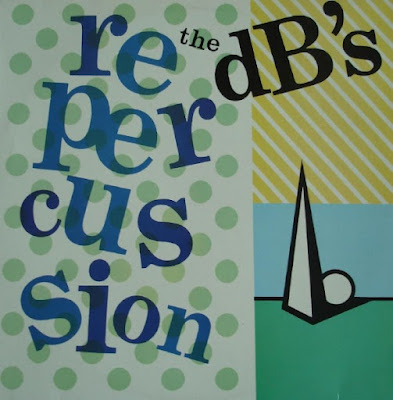
1982@40: REPERCUSSION - THE dB'S
Sunday, January 2, 2022
1982@40: SEND ME A LULLABY - THE GO-BETWEENS
Friday, December 31, 2021
My 1981
O-week was exciting. Politics, alternative culture and lectures in the kind of theatres I'd only seen in movies. The Laughing Clowns played the refectory at lunchtime. I tripped out a little at the grinding drone of Collapse Board while looking at an extreme Christian sect's comic from the book of Revelation. A guy started chatting while I was reading in the glass walled reading room near the lecture theatres. His name was also Peter and we had a bit in common. He lived in the housing village and I soon was meeting his cronies and flatmates at some fun nights there. I cannot remember how it happened but he asked if I'd like to play bass in his band The Pits. That didn't take a lot of thought.
I found I was pretty good at University, breezing through the assignments and tutorials, enjoying the grown-up feel of speaking as articulately as possible on subjects I cared about. It was a lot easier to join tables and conversations in the common room over biscuits and coffee. If I'd started the previous year coping with isolation through a mangled right wingism that swiftly faded into nothing about the time I started reading and listening about things left of the divide and finding a more interesting and welcoming home for my thoughts there.
I practiced with The Pits well enough to be asked in and we played a gig in the Valley soon after. The set seemed to be over in three minutes, the first time I'd played in front of an audience. Peter chatted to Lindy Morrison who pretended to have remembered and liked my song Lights Out from the set we played. She was sipping vodka from a cologne bottle. Johnny Zero played a set on guitar with a didgeridoo player and a drum machine. I plodded at a piano backstage and a bloke dressed like someone into ska came up and chatted about using real pianos on stage. I can't remember how many people I met that night but it seemed like I'd stepped into a themepark for the post punque generation of Yesterdayland. I was so very bloody happy.
At home the psychodrama of my brother's marriage continued but it was easier to ignore or at worst, navigate around. I retreated to the room under the house where I could listen to ZZZ and work on assignments. The two things still weave themselves into the one fabric in my memory, academic thinking and music from the frontiers of creativity. Foucault and Throbbing Gristle. The ideas in the books and reams of photocopied extracts and so much that was crawling and growling out of that clock radio were soon all but indistinguishable to me.
The circle that had formed at Hubbards dispersed after the first few reunions back from holidays. We were all going to different places, some deferring for a year for travel or work and others still not bothering to go on to uni. I remember one of them turning up at Griffith one lunch time and my newer cronies snubbed him. I had only seen my own curve in slow detail and didn't get how far I'd gone from him. We didn't strike anything up beyond a greeting, didn't even have lunch together.
There weren't many but I started buying records again. Chief among these was the debut of The Go Gos, Beauty and the Beat which I bought from Rockinghorse the same visit I first heard it. That story will get its own article but I recall that buying it was important as it was the first contemporary LP I'd bought since high school in Townsville. I had a swag of singles in my luggage as well but that album was
No schoolies week. No assassinated Beatles. No murdered friends. Just a credit for the whole year and a ticket for a 1st class sitter in the Sunlander north. I don't remember the trip beyond dozing through most of it and smiling at a Californian who was asking about being able to see kangaroos from the train windows.
Now the music. I've done a bunch o' album articles but now - Singles!
Counting the Beat began with palm mutes on a harmonic, burst into a bass forward two beat thump and ended with a chant that everybody sang. la dadada la dadada la dadada la dadada. Infection followed.
It started as a kind of failed count-in. Clicketty click went the sticks and the bawming guitars and yelling voice sang of Ant Music
Love is Essential by Local Heroes SW9 hasn't made it across the decades but should have. Acoustic guitar arpeggios taken over by synth strings and a plaintive unaffected vocal it might have been the year's Love Will Tear Us Apart but for the elephant in the room of that one and that it just never travelled. Also, history has been neglectful to them; it's very very hard to find out anything about them. I once saw a copy of an SW9 album at the Record Market a few years later and decided against getting it, even though it had this song on it because it had another song called Hippy Street. Such as I was.
Marching Feet was the odd follow up to the sombre Lady Love by Melbourne electro rock synth band MEO 245. This was different. A zippy synth arpeggio which persisted through the chord changes as the guitar band part of it went through a Chuck Berry progression until the chorus took everything back to the mid '60s for a melodic pre-chorus before the big statement. It works the same way old bubblegum songs like Chewy Chewy still work, old values but everfresh style.
With Love Song Scots rockers Simple Minds gave the world the large scale nu-pop where the great rumbling backing could be either guitar or keyboards and the chanting choruses sounded like speakers at totatlitarian rallies. See also Spandau Ballet from the previous year.
Spellbound was one of the Banshees strongest offerings ever. A massive circular guitar riff, frantic acoustic playing and thunderous drumming buoyed up Siouxsie Sioux's career-best wailing. The video was all nightmares and horror movies but almost anything might have done. The strangely aloof snarl of it mixed with its own violence and caterwauling chorus. Then there's the bit where, at the bidding of the vocal, something or someone gets thrown down the stairs. Stately guitar figures play over the frenzy and then it suddenly stops. And you just want to hear it again.
XL Capris' World War 3 might now sound like just another nuclear threat ditty for the pile but it works as a palm-mute-and-harmonies plea recording of its time (and its endless white background video). Only a cliche from a distance. The threat was real, regardless of how literally it was stated.
I'm in Love With a German Film Star showed The Passions could go from a quirky, spiky indy sound to a lush, arch wonder that seemed to float and squeeze like an erotic dream: "I'm in love. I'm in loooove. I'm in loooove....."
Down Under, Men at Work's competition-shrinking anthem managed to celebrate being Australian without a breath of patriotism to sour it. Compare and contrast the Texas DJ who rewrote it as Down Yonder (which only sounded subnationalistically chauvinistic). Later driven into the earth by a lawsuit over a five note figure on the flute. It had a hookline on a FLUTE! A funny pisstake video about Australian tourists that charms to this day (or would if it wasn't contradicted by nearly a decade of regressive politics but you can't have everything).
Turn Me Loose was the year on the charts' embarrassing moment of overdrinking before vomitng on the host. The clip put bandanas on the backburner until Guns 'n' Roses over a decade later (who were welcome to it as they might as well have been Loverboy's children). Like punk never happened. Actually, like post punk wasn't happening.
Tainted Love bamped out with a bullseye synthetic orchestra, '60s garage band BVs and a mighty lead voice. Whether it's filling the sticky carpet dance floors of share house parties in 1981 or drowning out the whoops on hens nights it still sounds contemporary.
Ultravox had fallen off my radar in the late '70s when John Foxx jumped ship and produced something compelling and fresh. The band hired Midge Ure from the Rich Kids for mic duties and the result was Vienna. The clip told you everything with its recreation of nineteenth century intrigue among the rich and powerful and the chorus phrase, "this means nothing to me." I can't remember whose place it was but I was part of a small group that briefly landed in a share house where a bearded older buy saw the clip on Nightmoves and said, "Ultravox? They're just the new wave Eagles." I was young enough to think he was trying to appeal everyone in the room who was younger and sniggered lightly. Still ....
I Want to Be Free yelled Toyah as she trashed wedding cakes and tea settings while a pair of official types/parents/teachers/older people in sci-fi conservative fashions looked on unimpressed from above. Even at the time, at that age, I was too old for the message. See also, the previous year's Kids in America which this effectively replaced. Lots of synth strings and cymbals. Not offensively try-hard but not much more than tokenistic either.
The Pretenders showed in the debut album that they were bringing a lot to the table, offering a take on rock music that neither pretended it was new nor remodelled tradition. Message of Love with its slashing chorused guitar, hectoring vocal and a middle 8 change to a gallop, won the heart of everyone who heard it. Tough and tender at once. A classic. ONly sorry I didn't get around to writing about their second album (no time)
The Dugites from Perth had a cute little hit with a cute little clip called In Your Car the year before but surprised everyone with Waiting, a synth pop marvel that went from tinkling consolation to soaring pain as the yearning exploded before suddenly stopping and then falling into a bizarre key change that only made it expand. Still a masterpiece.
New Toy Lene Lovich bipped and bopped through more noo wave quirk but it sounded fine and the clip was straight out of Repulsion. A tick of approval.
Boys in Town - The first salvo in the Divynls' campaign to conquer the Australian charts carried a strong message delivered with a compelling attitude and contemporary rock substance. I didn't love this one but kept my ear out for future statements. Some of which were superb.
Devo's Beauitiful World took them further into the synth pop realm they had helped to forge with a bittersweet irony between the driving riff in the music and the self-contradiction in the lyric. The clip's power lay in the increasing mash of America kitsch and horror as cold war novelty acts rubbed shoulders with the Klan and the nuclear threat. Catchy in more ways than one.
Primary - The Cure. a breathless chugging nightmare that made the charts. A reason to bend a saulte to the whole year.
Bette Davis' Eyes was a song by a woman who looked like a contemporary movie star, all platinum bouffant and long black dress, surrounded by art directed punque style people who danced like robots with geared joints. That was the video. Remember, in Australia at least, we saw the video before we heard the song (from the late 70s, as it happens). A refrain on the synth broken by a raspy vocal about a local debaucher. Thing is, the whole thing sounded like Bruce Springsteen had written it. Making a pro blush? Really? It was like hearing your father say the word lesbian. Uni friend Nicola got it right, even though she couldn't make it through the statement witnout laughing: Kim Carnes is America's idea of New Romantics. Everyone else laughed, too.
Under Pressure mourned the great murdered man but it just sounded like a formless mess to me.
Blitz anthem No.1 Fade to Grey gives us a little cooling drop of synthesis before the big saw wave riff bursts in and it's a mix of ethereal whispers, warbles on lonely platforms and a big eerie chorus. Steve Strange, the doorman of the Blitz club called in all his favours and got most of Ultravox behind him. Only this wasn't Steve from down the Elephant and Castle's vanity singalong. Along with a constantly shifting identity and black background video and deathless groove, this is a classic writ in marble.
Pretty in Pink took Psychedlic Furs from a meandering first effort with a single good song to an all killer no filler album featuring this bona fide song for the ages. Break it down to its pieces and you've got a '60s style song about a girl but add the arrangement, production and attitude of a band that's found its sound and stride and here it is, a big, head-buzzing monster of world weariness with a lead vocal that's been keel hauled on the hull of a tobacco freighter. The great bash of the two note figure before the chorus hurts like a funeral toll.
Fascist Groove Thang - Synth funk politics with serious vocals. Worked. The other half of the old band was busy doing Vogue cover pop.
This Ole House - did almost as much for the rockabilly revival as the Stray Cats and was daggy enough to have a much great reach.
Unguarded Moment - The Curch sounded more weighed down that their inspirations from the '60s but felt newer for it.
Alone With You - Sunnyboys' prayer to teenage angst hit its spot and went out the door at the right moment, a prefect rock statement.
Our Lips Are Sealed chugged out of the radio like a motorised curtain letting the sunlight in.
Homosapien had Pete Shelley banned for the entendre in the title (and refrain). Despite the plinky keyboards it sounded tougher than the Buzzcocks. The candyshop arrangment and production came courtesy of the most celebrated producer of the era, 1981's own Martin Rushent who was in everything but a bath. You think of the early '80s as the time of tingly synthesisers and endless, directionless 12 inch mixes and you are thinking of Martin Rushent. He'd already made headway with the likes of The Stranglers.
Screaming Jets seemed to be only months too late to be taken seriously. Would anyone have cared that much without the Peter Gabriel harmonies, though? One thing about this was that Johnny Warman announcing the different parts of the song (probably a guide vocal they liked) which launched far too many wincing moments at band practices ("chorus" and someone would do the chorus from this song) Clip was acceptably goofy for the time.
Never Say Never -Romeo's Void's cry was a kind of Gang of Four number with world wise snarling girl on top.
Release the Bats exploded in jungle drums and exasperated screams, hilarious in its extremity before you heard it a few times and realised that it was a song, after all, not just a few minutes of chaos. Cute Elvis channeling, though. Didn't sound like any birthday party I ever went to.
Ceremony's cooing fanfare set the funeral barge of Ian Curtis on to the waves in a fiery celebration (but if you turned the record over it felt like his wake up call in Hell)
Too Fast for You - The Church's double EP offered five new songs that tightened up everything that was good about the debut album and left everything that wasn't on the cutting room floor. From the brightness of the title track to the gorgeous flow of Sisters the band was gettng ready for the apex of their first stage, the following year's album The Blurred Crusade. A beautiful package.
And we went out singing to the Teardrop Explodes and their Passionate Friend: ba ba baa baba ba baa ba ba ba ba baba ba ba ba ba baa....
It was drama free. I booked a 1st class sitter to Townsville on the Sunlander and cruised along the landscape as it went from southern verdance to curtains of sugar cane and thence to Townsville. A girl from Melbourne asked me what I was reading (Coming Up for Air by George Orwell) and we struck up. And then it was hometown station, mum on the platform, Aitkenvale and a couple of months of the good life. There were people with games. I had stories to tell.
The Importance of 1981
The thing is that 1981 is not just another year of pop culture, of songs great and naff, of op shop fashions and fanzines. 1981 is a year of fulfillment. The punk to post-punk transition is as debated as the starting point of Generation X (a punk era term, btw) but it doesn't really matter when it happened as much as that it did. By 1981 it had happened. What happened?
Well, you could get on on stage at Bingo Pete's in the valley and play a digeridoo with a drum machine and that would be a gig. You turned the radio up when you heard a weird spoken word piece about a fish in a glass paperweight set to uneasy sounding tapeloops of phrases that might be synthesised or just vocals. And you loved when the act/group/entity that had done it advertised themselves as being available for weddings, parties and alternative English lessons. ZZZ's new music show could have something played on hammers and doorways or a bothersome hybrid of metal and indy and it would still be acceptable. 1981 was where anything at all went but none of it was expected to be professional.
Professional. That was the word my Dad used to describe the tape my band released as an album in 1983. I still smart at the faux pas. "Very professional" In 1981 professional meant the worst of everything, it meant giving up and paying big bucks for note perfect gigs or movies that flattered young adults by inviting them into a previous generation's idea of acceptable humour and drama.
In 1981 Release the Bats was released as a single. That's something that its vocalist, Nick Cave would not dream of doing now or even a few years later. 1981, even more profoundly than 1977, was where the us and the them divided.
Of course, I'm telling this from the point of view of someone who was 18 years old in 1981 and at 18 you think you've invented everything or at least reinvented it enough to find the real value of it. I don't deny my nostalgia, here, but nor do I deny my plain memory. And what I remember is that the way of living I and people like myself, surrounded by the great lotto-headed straight world around me, rejected the idea itself that being in tune was good.
Thursday, December 30, 2021
1971@50: HUNKY DORY - DAVID BOWIE
Changes didn't start with a power chord from Hell but a jazzy piano chord. A few more and you could smell the cigar smoke and scotch of a jazzy bar somewhere in the midwest of the US. This suddenly jumps to rhythm like a little goblin and plays an old school rockriff but then goes south to an unrock out of key experience. Pause for a smokey vocal with more self reflection that would have been decent in a Sinatra piece before lunching to the stars with a bright stuttering chorus of overlapping melodies. "I know that time may change me but I can't trace time." He's doing what he says on the tin.
Oh, You Pretty Things follows immediately and almost sounds like an extension of the last song but it has its own ideas. The narrator is having a bad morning, seeing a crack in the sky and a hand reaching out for him. Looks like the nightmares are here to stay. A slighty more jaunty piano gives way to a languid ballad arrangement. It's starting to look like the end of the common human as the soaring chorus tells us against thumping piano. "Oh, you pretty things, don't you know you're driving your mamas and pappas insane. Let me make it plain. Gotta make way for the homo superior." Bowie was always a deep reader and Nietzsche left him as wasted as it did most who read it to the end. He knew that ol' Friedrich wasn't a Nazi and knew that his ideas took him into transcendence. So, on David's most poppy sound record since his Cockney Psychedelia one four years before, he wrote a song about that.
This blends seamlessly into Eight Line Poem, a series of images set to a kind of stretched toffee country ballad or distorted reflection of one. A room with the breeze blowing at the curtains, a kind of prairie with the city in the distance. Mick Ronson's lap steel style playing on his Les Paul provides a rich descant to the gentle piano. An elusive image of the city's spirit being as fleeting as seeing the sun behind a tree branch. If there are more personal details to this one I know not nor care. It's a beautiful dozey mooded observation.
The next song, as good as its predecessors are, is the moment where the Bowie of all the years he's been Bowie separate from all the years he will be. There has been nothing like Life on Mars to this point and it is one of his eternal moments and one in his own career that he needed to beat to progress. He knew its importance. The verses describe a descent through F to C, dropping to E to D etc and would have worked easily on his old acoustic twelve string. But here is a case of getting what you pay for as he hired Rick Wakeman for the piano part. Wakeman young but already a lifelong musician was classically trained but an inventive improviser. Between the Strawbs and prog rock titans Yes, he was doing sessions. His fluid enlivening playing around the basic descent has led some listeners to hear chord progressions that aren't there. It is a cinematic performance. Bowie starts softly over it in one of his most subtly complex melodies with words about a debutante makes a scene in front of her parents and wanders listlessly into numbness as the bowed basses start sternly below. The chorus soars to an octave above the starting range as the strings bloom around it. Images of news shows, movies, tv, a world weighed down by its own media and false impressions. A clean high and brief guitar solo gives way to the next verse where Mickey Mouse has grown up a cow and on to more torutured and unstoppable disasters which might as well be fiction as fact. Another massive chorus and the penny drops as to the title line. It's not about humanity's next great adventure but a question: is that all we can do, now?
There is nowhere to put this song easily. It starts like a ballad but its lyric and arragement are so cinematic and fantastical. Despite the orchestral swells there is nothing of prog rock about it. While its brightness and falvoursome melodics and harmonic structure make it instantly appealing it failed several times as a pop single. It's just Life on Mars. (Trivia: the piano that Wakeman plays on this album is the same one Paul McCartney used on Hey Jude.)
A gentle strum with a light rollicking piano heralds Kooks (for small Z.) It's a comfy singalong to his son Zowie and imagines the three-strong family going about a loving and kooky life in a kind of cartoon world. He can go to school as much as he wants and then they can just throw the homework on the fire and go for a drive. He promises the boy belief and love and it's worth noting in this winsome piece that the child is being invited, not instructed, to join them. You might already know but I love the notion that Zowie grew up to be film director Duncan Jones. If you haven't seen Moon or Source Code you should. Guess he took them up.
If Life on Mars was soaring Quicksand is tidal. We are lifted to the crests of waves, float weightless at the crests, slide down and rise again. The heartfelt vocal sings a lyric of imagery of philisophy, faith and belief all of which add up to change. The chorus could be a stadium singalong but when I think of thousands intoning,"knowledge comes with death's release" I see a cult and need to open my eyes again. Bowie is saying goodbye to an attic full of old mind experiments and pathways (there's a word beginning with 's' that I refuse to use here). His mind is on the future and more of those changes from track one in mind. The bulk of the arrangement is layered acoustic guitars. Bowie long favoured acoustic 12 strings and there are a few on show but also moments where a gentle arpeggio on a 6 string tells the story. It's a marvel of balancing near identical voices. Bowie's vocal melody has the epic quality of some of the old stuff like Cygnet Commitee and he is generally left with the guitars to sing it in bittersweet voice. But then the same ranting bowed basses from Life on Mars come in and are joined by a lush full string section and Rick Wakeman's sublime piano improv. The chorus warning against belief hovers between inspiration and exhaustion and is a marvel of much from simple means. You might find yourself welling up with this one without ever knowing why but the sense of farewell to a former self could be as universal as going from adolesence to adulthood. The fade has more dazzling piano and strings as the tide takes the old self away.
The old side two begins with a cover that sounds like it comes from a musical. Fill Your Heart is so light and boppy and sugary that it sounds like a parody but that would be too much at odds with this record. Bowie's vocal ranges from the earnest to the impish as he tells us that being nice and gentle will clear you and make you free. While it sounds like a number written for one character to cheer another up, in context here it sounds like Bowie finding a similar promise to the one in Qucksand and changes about breaking away from burdensome normal life. Tight reed sections, springy piano and self harmonising give it the tang of a song made from sorbet. It ends, curiously on a saxophone squawk that falls into tape echo on to the opening of the next track.
Andy Warhol comes out from under the beaky echo with a sinister chromatic ringing melody and an engineer announcing the take, and title. Bowie speaks in a voice so affected you can feel the lights of the makeup mirror and the press of the greasepaint. A short back and forth about the pronunication of the name Warhol and you understand what's happening but if you didn't the take proper begins with peals of self-directed laughter. A forceful two guitar attack with Bowie on his 12 string and Mick Ronson on the 6 and taking the lead with a Flamenco-style minor run. Bowie throws out images of the artist who made his persona as much his art as the art itself, who pushes to the edge with semen fixes and imagines being a cinema where people could pay to look into his brain. Warhol himself was offended by the song, thinking it was a pisstake but Bowie was describing what he saw when he thought of the artist. Bowie never pulled the punch, not considering it to have been one and the pair did make up in the course of history. The Song ends on an exended acoustic thrash with Ronson chiuming harmonics overhead. Studio applause at the end. Worth noting here that the studio environment sounds and opening dialogue are not just a tribute to the glitz of the art life but also a nod to another of Bowie's inspirations Syd Barrett. The track If It's In You on The Madcap Laughs has a very similar false start where Syd flubs the opening twice and chats to his producer before his statement, "if we could cut," is cut and the song begins. I remember hearing the Barrett album long after being familiar with the Bowie one and the closeness of it popped right out. It's a clear and lovely tribute.
Song for Bob Dylan begins with acoustic strumming and a bendy electric intro. Bowie, stretching himself to invoke the Zimmerman and call him from his then current hiatus. Bowie wasn't alone in going to the extent of using an album track to say, come back and tell everyone what's what. Some folk think the painted lady of the chorus was the Factory's Edie Sedgwick but it really doesn't have to be. While the title does state the addressee this, like any song that uses an archetypal figure this one really speaks most through metaphor. Of course, Dylan fans tend to be fanatical enough to be that earnest (and Bowie might have been) so ...
Queen Bitch is a self avowed tribute to The Velvet Underground. An acoustic strum is taken up by a much ruder amp distorted electric guitar crunch with a strident 1-5-4-1 progression. This calms temporarily for Bowie's Lou Reed style spoken verses. The verses are all Reed and co. about the antics of a trans figure. An extended prechorus takes us into a joyous descriptions of frou frou in darkened rooms, tatts and bippity boppy hats. This song is nothing but utterly enjoyable and forms its own meta bridge between Bowie's admiration for the group and his production the following year of Lou Reed's masterpiece Transformer. The sound of this arrangement played by the band Bowie would take on tour and record with for the next two years and albums is the sound of those years and albums, a hard edged acoutic/electric stride.
A gentle strum opens The Bewlay Brothers. It's joined by a muted electric guiar using amp tremolo which echoes the vibraphone on the side one closer Qucksand. Bowie's voice come in dry with images of intrigue, campaigns and secrets. The chorus is a hard strum with some lyrical electric licks that might be either recorded backwards or just played and treated as though they are. The song follows the verse chorus pattern, returning to the quiet verses and building up for each chorus the same way. The exploits of the brothers of the title take on more cinematic bredth. And then, abruptly at the end of the final chorus the song is interrupted with a chorus of cockneys: Lay me place and bake me pie, I'm starvin' for me gravy. Leave my shoes and door unlocked, I might just slip away. It's gone from the Bewlay Brothers to the Kray twins. But really, it's Bowie himself and, more prominently, his half brother Terry whose schizophrenia was still galloping away from the mention on the previous album (All the Madman on Man Who Sold the World). Bowie would return to writing songs that stated his motion to understand his brother's condition. The two chord tension strumming into the fade of this song is accompanied by those cockney voices and is augmented by increasingly meanacing voices intoning variations of the words "come away". The sadness of the song is not just in the contrast it depicts between the brother's imagination and creativity and his inability to express it and Bowie's own swiftly developing capacity to do so. David cannot reverse Terry's troubles, he can only describe them.
This brings us to the end of David Bowie's most enduring statements, an undeclared concept album about change. After the earnest singer songwriter of Space Oddity (really, his second LP to be brought out eponymously, the first one presumably swept under) and after the metaloid sci-fi black-rocker he came to this point where he was shedding much of his training and the notion of being in training. Change begins at home and Bowie straight up learned piano to write most of these songs which is a major reason why they aren't structured in quite the same way as the previous albums' songs. There is a clear intention to forge the music through greater discipline with arrangements and performance (there are no extended guitar solos like on the previous outing and the epics are kept to a minimum and then with greatly trimmed running times). This is the record more than any of the others that finds the artist ready to put the hours in and work for his place and sweat for his stardom. It's a statement of change and it would not be the last. And that's kind of it. I mean, what could he have possibly done next?
We'll take that up next year. On that, as I've found over the past two years of examining 50 year old albums the era has diminished in importance while some artists have risen to the top of my attention. So, instead of Year@50 it will be Ablum by Artist@50. If you've been reading so far, thank you, and let's take it higher and further. Happy NY.
Tuesday, December 28, 2021
1981@40: IN THE GARDEN - EURYTHMICS
Dave Stewart and Annie Lennox planned leaving their band The Tourists while on tour (in Wagga, as it happens). What they had in mind was a more adventurous duo where they could write their own material and make it sound anyway they wanted. They named it after an old style of exercise and dropped the article (Eurythmics, not The Eurythmics, this was the '80s) and then with a satchel of song ideas went to Connie Plank and recorded this.
When you know that they were fleeing a rigidly structured band dominated by a single songwriter the record's eclecictism makes sense but the limits of its range don't. While there is a sprinkling of electronics over most of it this set sounds very like The Tourists with guitar orchestras, shimmering vocal harmonies and big bright choruses. What's left after that is songs that sound like they need the synthpop treatment but are just getting more guitar band if mixed with a little Kraut rock.The opening trio of tracks.
English Summer starts out all chorus pedal guitars and harmonies with a melting chorus but it could have been a Tourists song. Belinda definitely could have been Tourists. It's the best song on the album: massed bright guitars with shimmering harmonies and a gorgeous melody. But then the coda, a refrain of "close your eyes" is repeated over the kind of melismatic wailing that Lennox seemed to have discovered in the studio. There was a little of it in The Tourists but that was pretty whereas this is Olympic. It's the first thing on the album that is a recognisable trope of the superstar version of the band. Take Me to Your Heart has the kind of repeated minor key phrase that they would support so effectively on later hits like Sweet Dreams (also with a lot of improv wailing) and Here Comes the Rain Again. The only problem with that is that the arrangement is a guitar band and makes dull and listless what might have been insistent and compelling with synthesis. Here it sounds like the first demo recorded with a drum machine and the most basic of guitar/bass parts. I know it's meant to invoke Krautrock but surrounded by clear '60s style it has no life of its own. It needs the Sweet Dreams treatment. The slight keyboard riff does not make up for the absence. These statements can be made about the rest of the record: it's either still in new wave power pop mode or it's feeling around cautiously for something new.
That said, there are good songs here and the album is easily enjoyable without being wrung by retrospective judgements. It's frustrating that Your Time Will Come is a glorious chorus wasted a quirky verse. But then Belinda is four minutes of aural bliss, whatever the music genre. She's Invisible Now is keyboard driven but with 2020 hindsight sounds like something St Etienne or Pulp would produce deep in the following decade. That just means it sounds like the '60s with modern synthesisers. But then the closer Revenge combines a classically influenced vocal melody with disco drumming (thank you, Blondie's Clem Burke) and bass and a mix of un-rock blips on guitar with masses of delay and modulation effects. If it were more upfront it might have sat well on the following year's breakthrough.
This record is a cocoon but cocoon's are interesting. Pop music was going through one of its most profound changes in 1981. Punk's return to basics was leading not to more guitar rock but a breakdown of it. The possibilities of accessible electronics had already shown that the power of rock music could be emulated without the cultural politics of guitar heros or swaggering singers and the sounds themselves could come from the inner core of Jupiter and still make the charts. Human League had already changed from the doom boy bedroom electronica into the light of pop stardom without a single pluck of a string. See also Ultravox and New Order's emergence from Joy Division. For a while there it really did look like the outmoded guitar band unit had given way to a night sky of winking possibility. Then, a few years later up and coming teenagers still liked playing power chords and guitars came back. It would take until trip hop in the mid '90s to issue another challenge but nothing ever dislodged the old convention and still hasn't.
So, Eurythmics were foraging around, trying to replace the order of The Tourists with a launching pad and really only churning out the same kind of thing. It would take some touring (with a backing tape system they carried in a horse trailer) and their own studio to emerge the next year as one of the most enduring acts from this era of musical metamorphosis. With sharper, trimmed looks and even sharper songs that pushed their way through crowds of hopefuls the duo began to lead. They might have started by effectively swallowing their own voices and ideas but it's not hard to hear that they had the parts for their new identity right here, sometimes buried under old school rock but sometimes taking wing.
Monday, December 27, 2021
1981@40: SUNNYBOYS
I noted the name. and when I saw it on the bill of a Griffith Uni gig I went to that. They were as good as the record's promises, loud, tight and forceful. I even thought it was funny when Jeremy Oxley giggled into the mic and said, "this one's called Happy University Student". Not remotely funny now but the moment made it gold and that's the point of the Sunnyboys and their lingering legacy to anyone who wants to reignite guitar band rock with an eye to that attention-grabbing something: make your moments pay. They did. I stayed over at a friend's flat at the housing village (getting to and from Griffith was an epic) and as we strolled around the next day I picked up an unmarked poster for the gig. It was a massive black and white and orange cartoon of a mod girl grinning at a striped shirted boy with a sun symbol for a head. The background was orange with tiny white outlined triangles. It was a stunner. Well, I say picked up but what I mean is that I asked my friend if he'd ask the hippy at the cafe near the Hub if I could have it. HO, rock and roll! Anyway.
The Sunnyboys were there in the air all through the year. New singles on the radio and more gigs and then a mimed performance on Countdown for the touchdown which for a band that had formed only a year before was like being showered with precious metals. The EP had had a beefed up remix and they had been scooped up by Mushroom (so it was now a 12 inch with better sound). I bought the picture sleeve single with The Church's double EP Too Fast For You on the same day from Rockinghorse (now THAT was a double bill!). And then finally toward the end of the year there was the first LP.
My memory will fault me here but I recall two different releases of the album happening. As the DJ said, one fothe new fans and one for the true fans. Both covers were identical apart from the background colour (one blue like the current CD release) and the other yellow. And I theeeeenk the yellow one came with a cassette which included the song Tomorrow Will be Fine. I can find no direct evidence of this online but would be interested to know if anybody has the alternative version or even just knows about it because that's the one I wanted and could never find (vanished form the shelves before I could get to it. And that's why I never had my own copy until the expanded CD release (which does have those extra tracks). Anyway, jonesing nostalgia aside, the album. (Edit: the cassette was an alternative release of the single Happy Man, not an adjunct to the album. The yellow cover edition omitted Happy Man but included the otherwise unreleased Tell Me What You Say. These tracks, along with the two b-sides of Alone With You are on the CD rerelease of the debut. Right, breathe out.)
Anyway, jonesing aside, the album.
I'll pull a few tracks out of the stream for this instead of trying a track by track. Why? Well, despite this being one of the most engaging and listenable records of any time in rock music history it is drawn from a narrow pallette of arrangement resources and the chief songwriter, while highly effective at it, drinks from a small pool of melodic ideas. Before any one of you go at me for dismissing the record, my point is that this is one of the things that make it a great set and make the commitment that band and producer had to the fore. It's just that as verbal desctiptions of songs you'd be getting a lot of repetition (maybe my own well is a tad shallow when it comes to guitar rock).
Just as Richard Gottehrer was able to lift The Go-Gos into a firm edged 1981 guitar band sound through his experience with everything from '60s girl groups to the Ramones, so Australian rock legend Lobby Lloyd took much expertise and little strain to tighten everything about the young band in front of him. They were already an indentifiable live unit with a following based on a lot of gigs around NSW and were clearly in it for real. If Lloyd had seen parades of Dunning-Kruger hopefuls file past his throne with eager popping eyes and nothing else what he saw in Sunnyboys was a band that needed next to nothing to get them the attention of a nation.
The galloping descent of the first few seconds (I Can't talk to You) is only temporarily relieved by some punching full band chords before Oxley's deep and melodic vocal comes in urgently. Lloyd layers the guitar attack on the downward plunge with feedback (or Ebow?) as well as some multi-tracked parts but instead of sounding processed it just sound powerful. He and the band know that the live version will not be as rich as this but this is a band that uses the moment more than most and that will fill the gap. Trouble in My Brain breaks the powerchord panzas with a plinky pressing figure high on the fretboard of a decidedly undistorted Stratocaster. After pleading for a few bars it lies softly down with a tiny strum. When the chords do kick in they are joined by a gentle piano. Oxley's vocal comes in and is also joined with light wordless vocal harmonies. Each track, however recognisably from the same pen is showing the record developing beyond that showcase of the live set that many bands make the mistake of insisting on.
Gone is distinguished not just by the slower pace but the bass riff that opens it. When the drums come in so does a big organ wash. Oxley's first verse is anguished but assured. He delays the chorus with a chord prgression that lets the organ add some space and then some beautiful Fender tones. The next verse does let the tension break with the chorus, a lament of melissma and melancholy. The guitar solo is the exact type that was still verboten in the Brisbane band scene but done so convincingly here, and so musically that it passes. The last verse suprises by being sung as harmony and an octave lower before the soaring chorus resumes.
Happy Man starts with some choppy chords and one of Oxley's characteristic minor key variations with a major key bridge. The difference here is that the chorus is tight and serious. A singable solo guitar instrumental played in several parts gives way to a more conventional pentatonic wail but then dives straight back into the chorus. A perfect single of its time. Alone With You follows and if you're not listening closely you might mix it up with Happy Man. It was the first of the two to be released but as it comes next on the LP it loses out by using the same progression for the verses. The chorus saves it from being too samey but maybe this was a good reason to get the yellow version of the record. That said, Alone With You was the song I first heard from the band and I had the single of it and to this day it's the song I associate with the band more than any other. Also, I wrote my own songs at the time (or tried to) and seldom ever bothered to work out any contemporary ones. I did know this one, though (even the words!)
Let You Go is the closest the set gets to an epic. Big chords and a sinewy lead figure brings us to the confessional vocal. Another delayed chorus allows some story through and adds power to the chorus we've been waiting for. He's come to a decision about his relationship and it hurts to understand that he's not as important to her as he had believed. So what? Well, he was only recently still a teenager and however quotidian it might appear to any of us now that kind of cirumstance can weigh a younger mind down more than the notion of the Earth's eventual heat death. More guitar pryotechnics and an increasingly screamed chorus lets us konw the pain. I'm Shakin' combines the more intricate guitar work of Trouble, the big Kinks style grinding progressions and urgent vocals but then adds a whistled riff. Whistled! As the song gets well underway a curious choral moment gives way to a garage organ and intensifying organ and guitar build. Then the whistling returns. After it's over we get a brief run through of the oopening downward gallop until it fades in less than twenty seconds.
At the end of this record you will have heard the band at the best they have sounded to date and know what to expect if you go to see them. What strikes me, listening today, is how easy this sounds despite what I know of music production and song arrangements and how much work needs to be put into things as easy sounding as second guitar parts. It sounds easy for the same reason that so many of the '60s-based bands following from this one sounded mangled or clumsy or, at worst try hard: an astute producer. Lobby Lloyd isn't just getting someone in or organ for a few songs, he's guiding the judgement of a band who've only heard themselves through cruddy desk recordings of live gigs in what might as well be sheep sheds. He's getting the band as close as he can to what they are hearing in their heads when they play the songs.
He has noticed how they quieten down in this one or try singing differently for this verse. He's finishing what they started and he'st stopping at that point. Jeremy Oxley would break out of the limited melodic range he had as a composer with the very next album and go to many finer plains but his trust in his producer was the great reward of this album. Even with the limitation of musical range each of these songs are distinct from each other. This doesn't just help the listener get through the whole thing at one sitting (and it is an album you can leave on) but it puts the standouts like Gone or Let You Go on something like display risers of their own.
Sunnyboys bridged a gap between the already-old Radio Birdman and the mass of bands that rose like a flood in Sydney who, packing their copies of Pebbles and Nuggets, bought up all the Paisley they could find at the markets and plugged their speed-driven inspirations into fuzzwah pedals that the Electric Prunes had advertised. All of those gathered for a fun scene that lasted a year or so but now instead of them there are still Sunnyboys.
Saturday, December 25, 2021
1981@40: BEAUTY AND THE BEAT - THE GO-GOS
Meantime, A week and a bit, I had the wit of the cover art with the glamour shots on the back and the "ugly" beauty treatment band portrait on the front. Regardless of how the members thought of themselves relative to their L.A. punk scene roots, bands with women were still subject to glamourisation. The punk wars had won some headway (The Slits, The Passions, The Raincoats, The Au Pairs) but they weren't American so The Go-Gos made a statement in their record cover that, be it ever so subversive, still had to acknowledge the showbiz way. When I did get back up to the family seat in the tropical gateway of Townsville I was able to put the disc on for the first time and listen to the whole thing. At that point the cover could have been birdshit white for all I cared as the music was so strong.
What became the single led the set. Our Lips Are Sealed began with a simple but compulsive 4/4 on the drums. A palm-muted bass and guitar joined in, running down a three chord riff. A high clear ringing lead guitar figure came in like a bell. Belinda Carlisle enters with a voice both sweet and on the verge of breaking into anger. Everyone's gossiping but she holds firm and responds to dirt with silence. For the first two short verses the A-G-D progression is cut from pop tradition and done so energetically that it's magnetic. But then, all of these are major chords, it goes up a minor third, back down one, then up ...
I'll just cite the chords: F - D - Bb - E - A - D. That comes out of nowhere. Those chords gloriously don't belong in the same progression, at least not then. It's not even using a relative minor. They must have just sounded good when Jane Weidlin wrote it. What I didn't know until the following year in an interview in Juke or summat was that she wrote it with Terry Hall from The Specials/Fun Boy Three. They had a fling while The Go-Gos toured with The Specials. Hall sent Weidlin the lyrics and she did the rest. In the documentary she accounts for the weird chord shifts as the work of a young unschooled songwriter. To me it's the work of a natural songwriter finding the drama and emotion in the movement of chords, wanting to get away from the humdrum of the A-G-D of the verse which, compelling as they make it here, cannot escape its traditions, until the chorus (usually where the reverse happens and the tension is dissipated by the big bright scheme that gets us all listening). Dig? The chorus is where it tightens winding up until the title phrase at the end. The middle eight is heralded by a lessening in the arrangement with a bass led riff and Weidlin's own nitrous oxide vocal lulls the other figure in the song. Back into the verse (I'm shivering a little just recalling it) she uses this as the descant to the verse. And THEN the tension of the chorus happens again. After a few reiterations of the big major key title phrase we end clean, feeling like we've had (I'm quoting a review about a Richard Brautigan book) just the right amount of icecream on a hot day.
While I'll here I'll mention the video which, by the time I'm back in Townsville, was on Countdown every episode until it had to be when it got into the top ten. A lot less slick than music videos were getting, the home video look gives it a school project commitment that a glitzier piece would have missed. The band get into Carlisle's groovy red car and drive to a lingerie shop and then to a fountain where they dance and frolic as they mime the song. This is intercut with what is either a small venue gig or a practice where they are gong through the song. My half-decade older brother in law reported it to me as being sexist and demeaning, amping up the girlyness of the band but all I saw was an extension of the joke on the album cover: all dolled up in their street clothes in the car but more seriously in their stage gear for the performance scenes. It flips the bird on anyone saying they were bought up by the industry money and were playing along. They actually looked in complete control in a way that contemporaries like Loverboy never did.
How Much More plays a little more pedestrian but still has a surprise in the chorus after an impressive stretch of a single note over rising progression. If the the band is marking time here, Carlisle's power lifts it. And then there are some more inventive vocal harmonies that don't need to be there but gladden with their presence. Tonite hikes up the pace with a high droning guitar riff. Carlisle shows again how a clipped vocal delivery with conviction trashes all other attempts of superteen rock. More good vocal arrangement but this never sounded as strong as the best on the record.
Lust to Love crawls in with a palm muted guitar figure climbing like a spider through a minor mode. Carlisle comes in with an acidic confession of social power ambushed by real emotions. Suddenly the whole band kicks in with clean power chords for the prechorus which blasts into a glorious chorus with contrary motion between chords and vocal melody, a hooking central section and a power dash to the minor chord in the finish. Carlisle's controlled insistence on the strength of the melody is supported by a wordless descent through the minor tonality in the backing vocals. Repeat. Send in a clear and clean solo which can be sung and return to the cinematic base of the spidery riff and bitterwseet voice of young experience audibly aging. The highpoint.
This Town probably shouldn't have been put right after Lust to Love as it starts with a similar rapid palm muting figure. Then again it's clearly distinct and something jollier like Can't Stop the World might have robbed Lust of its intensity. When I first heard This Town I thought it was the B52s. That skeletal chunking rhythm with the spy movie guitar riff. Ominous. Carlisle's catty lead vocal is quickly thickened with close harmony. Before the verse feels over the chorus comes at the other end of a shining harmony ascent through the minor scale. A guitar solo after two verse/choruses is more of an instrumental break, rhythmic and brooding, world-building rather than band beating. It leads straight back into the chorus, now more glamourous than earlier. The words are a collision of images: "we're all dreamers, we're all whores" and in the chorus "this town is our town, it is so glamourous". Come and join in but stay away, it's ours. There's a sternness to it that suggests the writers were both part of and spurned by a scene that tastes, chews and spits out.
Side two and We Got the Beat. My eye popping first hearing in Rocking Horse is in the account linked to above but basically it's this. Toward the end of the year, I was bumming around Brisbane until I got the train up to Townsville for the holidays. I stopped in at Rocking Horse records in Adelaide St. Even if you didn't have a particular thing you were looking for you'd find something. The staff were constantly visited by friends or regulars so regular they were on first name basis with the people behind the counter. A lot of the records in the stacks were import copies with better vinyl and cover art quality than the local product or just the only copies, there being no local release. I used to start anywhere where no one else was looking and just keep flipping until I found something. I was doing that when some changed the record from whatever had been on to side two of Beauty and the Beat. Then I had the EXPERIENCE.
All that means is that the song We Got the Beat hit me with its thunderous energy, brilliantly orchestrated arrangement of a rock band augmented only by a piano. The momentum of the verses and the sudden widening of the choruses as the vocal went up and the chords plummeted down like a rollercoaster. The guitar solo was like a fuel injection, running through the scale until with a cymbal crash the key changed and it felt twice as big. Then on to the final verse and chorus and then the coda call and response before the chant over the driving riff led to an abrupt stop which felt like whiplash. I still listen to this song when I want to energy with big vocal interplay. It's the reason I bought this album.
Fading Fast is like a welcome pause from the energy of the previous track. A quiet arpeggio on a clean electric guitar. Carlisle comes in serious and clipped: "You thought that I was on your side..." Someone needs to be told to leave in plain terms. The lyric is just that, no puns or street talk, just plain statements. What makes up the rest is a forward driving solemnity that doesn't seem to belong in a teen anthem but here it is. The chorus doesn't include the title, it's a reinforcement of the verse and is in the unrelieved minor with a similar modal movement in the final lines of each stanza. But then, after a verse-long guitar instrumental, we get a thrid section which is as close to major tonality as we'll get here. It involves some very fine complex vocal arrangements in which Carlisle and Weidlin sing overlapping lines that reinforce the other and end with the title line, "you're fading fast out of my memory" back in minor territory. The song ends with two of these in a row and a repeat of the title line and a clean stop.
Automatic begins with a backwards note on a bass or a piano that gives way to a steady drum pattern and then a bass and guitar lopping figure whose repetition and modal tonality give it a mystery movie feel. Carlisle comes in with the most emotionally ranging vocal on the disc, describing unconnected sex in a sharp rise to the minor third in each line." Angles sharp clash together, Time and consciousness sever." When the circular motif in the guitars and bass is not rolling on there are gaps that end in backwards echo or are filled with the drums playing perfect time. A verse towards the end has two vocals sing lines from different verses in call and response and then the riff is picked up and plays into the fade, no relief, no end.
The album ends on what might be considered fillers or side two songs but they're fun for all that. You Can't Walk in Your Sleep (If You Can't Sleep) a good joke for the chorus in a song about insomnia. Skidmarks on My Heart matches a big drum pattern with powerchords and a good progression with a screeching lead vocal of frustration with a full harmony chorus "Oh skidmarks on the my heart. You've got me in fifth. You're bruning rubber like my love". A great surf guitar solo and doo-doo backing vocals and back to the big chorus. Kathy Valentine's only composition Can't Stop the World has a post punk treatment of of a Shirelles style boy girl song with a big 1-4-5 chorus and descending last line. A dual guitar break sounds like a Buddy Holly workout that adds energy and splits after one iteration. Great fun.
The Go-Gos had come from a punk scene that was taking leaves from the spikier UK well, political and critical here and there but quickly consolidating into the same kind of cultural rulebook that all scenes establish. So, when with a few lineup changes due to differences between what they'd started to do and what they wanted to grow into, the band found their feet in the kind of grindy pop rock on this record. Jane Wiedlin and Charlotte Caffey had established themselves as a sturdy songwriting partnership, buidling muscles in structure, harmony and wit. But if you see the clip from Ugh a Music War of them doing We Got the Beat you might notice they don'd just lack a little polish but the arrangement feels a little hollow (even though it has more backing vocals than the recorded one). Enter Richard Gottehrer.
Gottehrer was a generation older than the band but he had some serious credentials as regards what they might do to crash through. He was Brill Building and went on to produce as well as write. My Boyfriend's Back, I Want Candy and Hang on Sloopy are all his. And then into the late '70s he understood the undercurrents and produced The Ramones, Blondie and Talking Heads. By the time The Go-Gos came past his desk he was on it. He kept their stage energy but highlighted their melody, keeping the guitars mostly clean and ringing instead of the then overdone distortion on every song. He brought out more of the vocal sophistication already there to finish these tracks with some of the finest voice work on any rock record of this time (the backings and harmonies are really that good). He found the concentrate within the band and created one of the strongest and most durable debut albums of the rock era.
So, after Mum tapped me on the shoulder on the platform at Townsville station and I rode back to Aitkenvale and I debriefed my first big year of Uni, I retired to the rumpus room where the smaller kids and their cronies dive bombed in the pool across the patio, and put this record on. I found a beer in the downstairs fridge and then I put the record on again.